
French UN peacekeeper killed in southern Lebanon
UNIFIL patrol hit by small-arms fire days into Israel Lebanon ceasefire, investigation opens as Hezbollah denies involvement
Images
 File photo of Unifil peacekeepers in southern Lebanon on 16 April
bbc.com
File photo of Unifil peacekeepers in southern Lebanon on 16 April
bbc.com
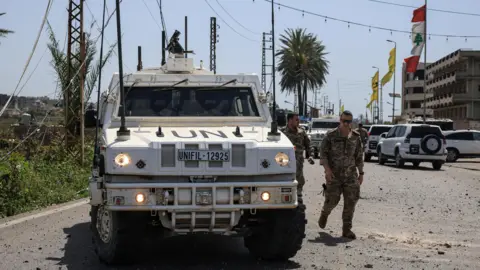 File photo of Unifil peacekeepers in southern Lebanon on 16 April
bbc.com
File photo of Unifil peacekeepers in southern Lebanon on 16 April
bbc.com
A French peacekeeper serving with the UN Interim Force in Lebanon (UNIFIL) was killed on Saturday when a UN patrol came under small-arms fire near the village of Ghanduriyah in southern Lebanon, according to Reuters reporting carried by the BBC. Three other peacekeepers were wounded, two of them seriously, UNIFIL said. The shooting came days after a 10-day ceasefire between Israel and Lebanon took effect on 16 April.
The incident lands in the narrow gap between a ceasefire announcement and the slow work of restoring basic movement and communications along a front line that has been repeatedly cut by fighting. France’s armed forces minister Catherine Vautrin said the patrol was on a mission to reopen access to a UNIFIL position that had been isolated, and described the team as having been “ambushed” at close range, with the soldier hit by a direct shot. UNIFIL said the patrol had been clearing explosive ordnance from a road to reconnect positions, and called the attack “deliberate,” attributing it to “non-state actors.”
Paris publicly pointed a finger. President Emmanuel Macron said “everything suggests” Hezbollah was responsible and demanded the Lebanese authorities arrest the perpetrators, while Hezbollah denied any connection and urged restraint until the Lebanese army investigation established the circumstances. The Lebanese Armed Forces said the incident followed exchanges of fire with armed individuals and that it was coordinating closely with UNIFIL during what it called a sensitive phase. Lebanon’s President Joseph Aoun condemned the attack and told Macron those responsible would be brought to justice; Prime Minister Nawaf Salam ordered an investigation.
UNIFIL’s mandate—expanded after the 2006 Israel–Hezbollah war under UN Security Council Resolution 1701—depends on freedom of movement and on the ability to verify who controls which roads, villages and weapons caches. In practice, the force operates amid armed groups that are not state organs but often shape what the state can enforce. UNIFIL warned that under international law all actors must ensure the safety of UN personnel, and said deliberate attacks could amount to war crimes.
The attack also follows a run of lethal incidents for the mission. In late March, three Indonesian peacekeepers were killed in separate events, including an explosion that destroyed a UNIFIL vehicle, Reuters reported. More than 330 peacekeepers have been killed since UNIFIL was established in 1978.
A ceasefire that holds on paper still requires someone to clear the road. On Saturday, the people doing that work were shot at from close range.