
Snowdonia restricts overnight parking at 11 car parks
Eryri authority cites litter and anti-social behaviour from sunrise-chasers, residents report spillover into streets with no facilities
Images
 Thousands visit the national park every year, with many beginning a hike to its highest peak - Yr Wyddfa, also known as Snowdon - to catch the sunrise
bbc.com
Thousands visit the national park every year, with many beginning a hike to its highest peak - Yr Wyddfa, also known as Snowdon - to catch the sunrise
bbc.com
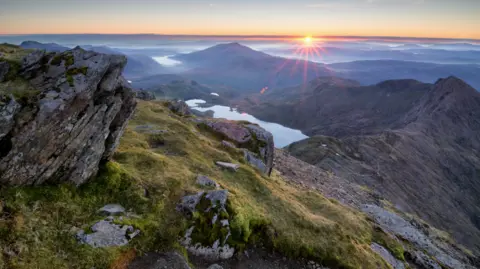 Thousands visit the national park every year, with many beginning a hike to its highest peak - Yr Wyddfa, also known as Snowdon - to catch the sunrise
bbc.com
Thousands visit the national park every year, with many beginning a hike to its highest peak - Yr Wyddfa, also known as Snowdon - to catch the sunrise
bbc.com
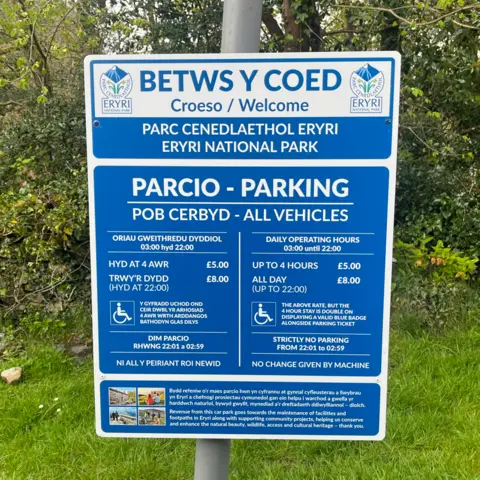 Parking in Betws-y-Coed long-stay car park between 22:00 BST and 03:00 is now banned
bbc.com
Parking in Betws-y-Coed long-stay car park between 22:00 BST and 03:00 is now banned
bbc.com
Eryri National Park Authority has restricted overnight parking at 11 car parks across Snowdonia, a move officials say follows three years of monitoring and is meant to curb littering, informal camping and anti-social behaviour linked to overnight stays. The BBC reports the rules took effect on 1 April and include bans in places used by hikers heading for Yr Wyddfa (Snowdon) before dawn to catch the sunrise.
The policy lands in a park that draws nearly four million visitors a year, where the pressure point is not the daytime footfall but the hours when toilets are shut, bins overflow and small lay-bys become ad hoc campsites. ENPA says the clampdown is targeted at locations with the greatest strain and notes some park car parks remain open 24 hours. Locals in Betws-y-Coed, one of the affected sites, describe a different problem: pushing vehicles out of managed car parks and into residential streets that have no restrictions but also no facilities.
Residents told the BBC that a minority of overnight visitors have used gardens and nearby vegetation as toilets, left bagged waste, and parked obstructively. The community council says it has already logged “noticeable knock-on effects” from the new rules, including more roadside and lay-by parking overnight. A local guide worried about losing early-morning customers; another resident argued the opposite remedy is needed—formal campervan provision with facilities—because the demand is not going away.
The dispute is a familiar one in high-demand outdoor destinations: access is nominally public, but the costs of unmanaged use—waste, noise, blocked roads—are borne locally, and the enforcement tool available is often a blanket restriction rather than priced capacity or serviced provision. If visitors cannot legally stay in a car park between late evening and early morning, they do not stop needing somewhere to leave a vehicle; they simply look for the nearest place that is still free.
At Betws-y-Coed, the long-stay car park is now closed to parking between 22:00 and 03:00. The surrounding streets remain open.