
Meta plans first wave of layoffs in May
About 10% of workforce reportedly cut as capex surges for AI data centres, year of efficiency returns after metaverse spending binge
Images
 zerohedge.com
 zerohedge.com
Meta Platforms is preparing to cut roughly 10% of its workforce in a first layoff wave scheduled for 20 May, Reuters reported, a move that would remove around 8,000 jobs from a company that had nearly 79,000 employees at the end of last year.
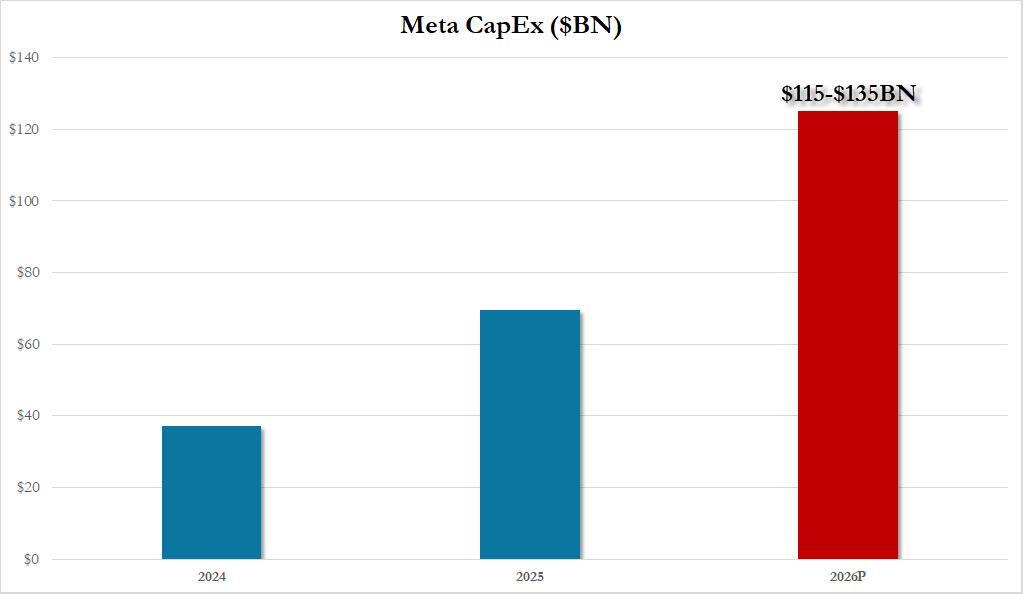
The timing is not subtle. Meta has raised its 2026 capital expenditure guidance to $115–$135 billion as it pours money into AI data centres and chips, while telling staff the organisation should become flatter and more “efficient,” according to the Zero Hedge summary of the Reuters report. The last time Meta ran a similar playbook—its 2022–23 “year of efficiency”—it eliminated about 21,000 roles after pandemic-era hiring collided with slower growth.
What has changed is the asset Meta is buying with the savings. In the metaverse push, Reality Labs burned tens of billions building a virtual-reality platform that never became a mass consumer product. Now the cash is being redirected toward compute, where scarcity is measured in GPUs, power capacity, and grid connections rather than headsets. Meta has been shifting engineers into new AI-focused groups, including an “Applied AI” organisation intended to accelerate agent-like tools that can write code and perform multi-step tasks.
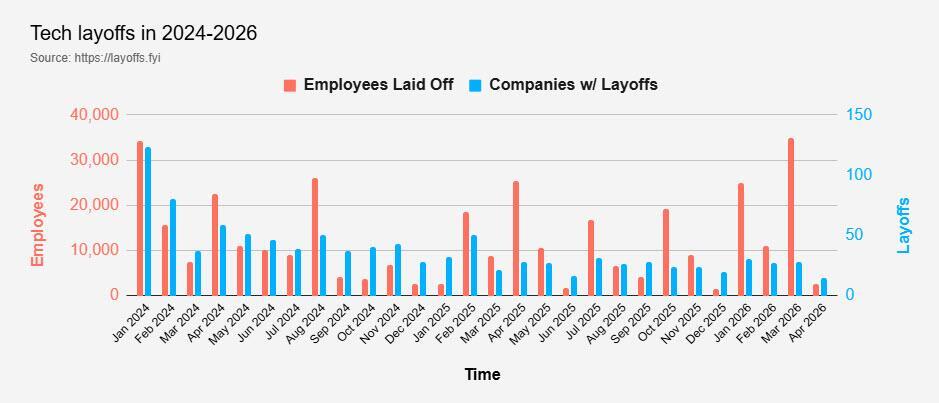
That internal logic creates a second-order problem for the broader market: the same companies betting on AI are also shrinking the pool of highly paid knowledge workers who are the easiest early adopters of expensive software subscriptions. The cuts are spreading across the sector. Zero Hedge notes Amazon has recently reduced corporate headcount by about 30,000 and Block has carried out deep staff reductions, with executives framing the changes as AI-driven productivity.
For Meta, the financial cushion is real. The company generated more than $200 billion in revenue and roughly $60 billion in profit last year, and its shares have been up year-to-date even after falling from a summer peak. That profitability gives management room to treat labour as a variable cost and chips as the fixed cost worth defending.
But the company is also asking investors to accept a familiar gap between spending and returns. Meta’s AI buildout is still in the phase where capital outlays are easy to count and monetisation is mostly a promise. The layoffs reduce near-term operating costs and signal discipline, yet they do not resolve the underlying question of whether the new compute-heavy strategy will produce cash flows commensurate with the investment.
Meta will begin cutting staff on 20 May, and the company is reportedly planning additional layoffs in the second half of the year.