
Iran says Strait of Hormuz stays open during ceasefire
Oil drops more than 10% as war premium evaporates, markets now watch tanker traffic not statements
Images
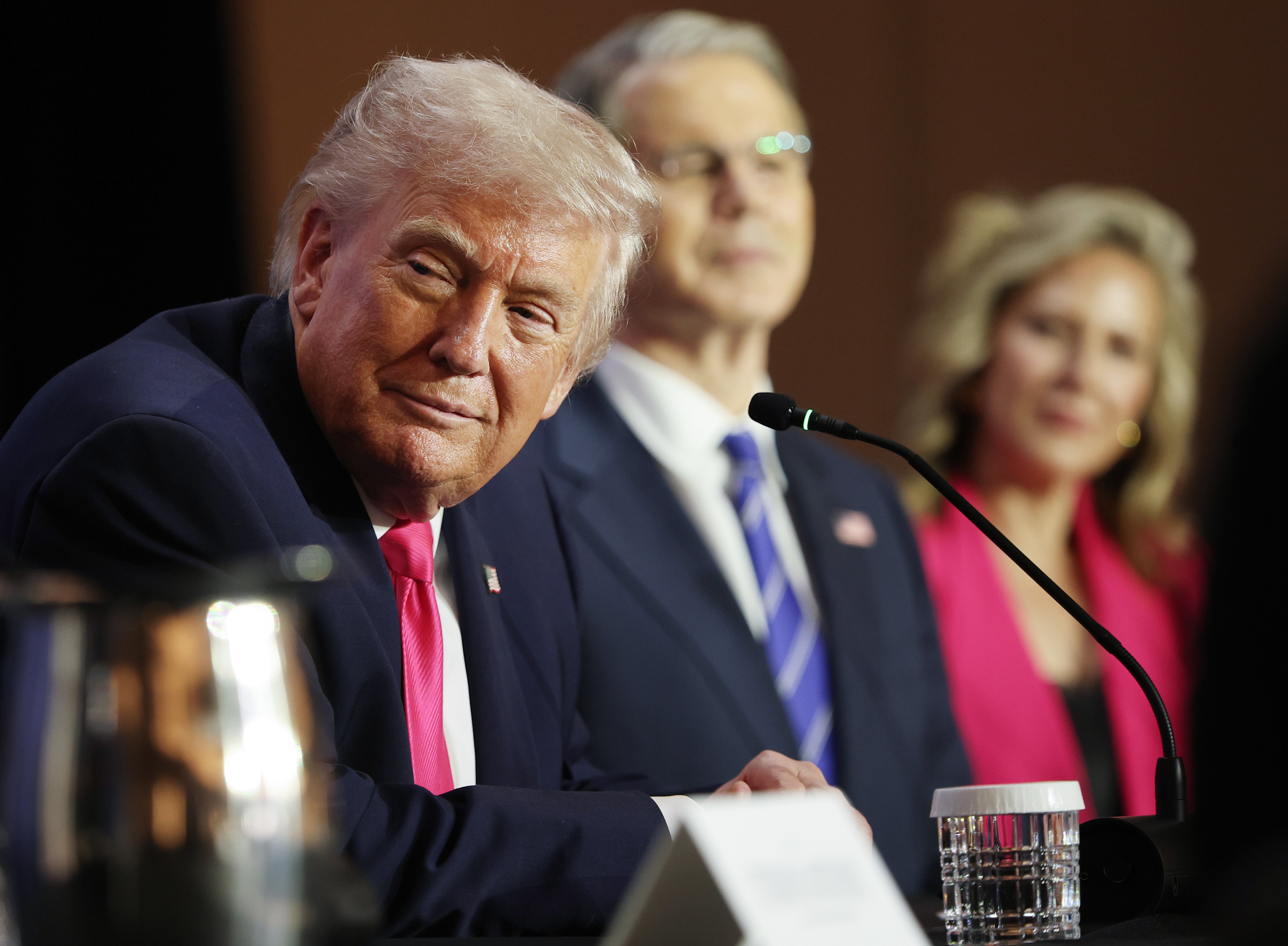 Trump said a deal is now close to being made with Iran (Getty Images)
Getty Images
Trump said a deal is now close to being made with Iran (Getty Images)
Getty Images
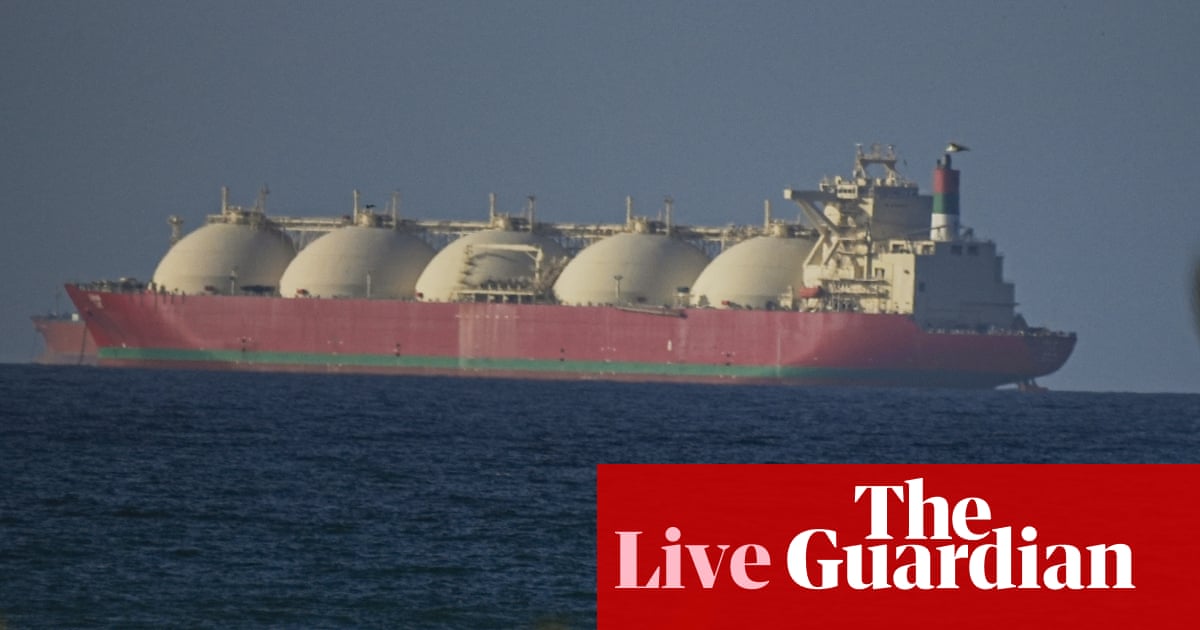 Oil tumbles 10% as Iran declares strait of Hormuz ‘completely open’ – business live
theguardian.com
Oil tumbles 10% as Iran declares strait of Hormuz ‘completely open’ – business live
theguardian.com
Brent crude fell more than 10% on Friday after Iran said the Strait of Hormuz would remain open to commercial shipping during a ceasefire period, according to The Independent. Brent was last quoted around $88 a barrel, with US WTI near $83, as markets marked down the risk of a sudden supply shock through the Gulf.
The strait is not just another maritime chokepoint. Roughly a fifth of global oil and gas trade passes through Hormuz, and the route also carries feedstocks tied to fertiliser production and broader supply chains, as Swedish outlet Ny Teknik noted. When traffic is threatened, the price response is immediate because refiners, airlines and shippers do not need certainty—only the possibility of disruption—to start bidding for insurance, rerouting cargoes and building precautionary inventories.
This week’s move shows how quickly that “war premium” can be removed when a single actor signals that tankers can move again. UBS analyst Giovanni Staunovo told The Independent that the next test is whether tanker crossings rise materially, not whether a statement was posted. Markets have learned to treat formal announcements as the start of verification rather than the end of uncertainty.
The episode also highlights the mechanics of leverage in energy markets. A government that can throttle a narrow passage can shift billions in price expectations without firing a shot; a government that can credibly promise not to do so can pull prices down just as fast. That makes ceasefires and “navigation guarantees” economically valuable in their own right—tradable as sentiment, priced into futures curves, and reflected in equity rallies.
There is another layer: the same reports tie the reopening narrative to renewed US–Iran diplomacy. The Guardian’s live coverage cited Axios reporting about a draft plan that could include releasing frozen Iranian funds in exchange for limits on enriched uranium. Even the outline of such a bargain changes the market’s baseline, because it suggests a channel for de-escalation that does not rely on permanent military deterrence.
For consumers, the transmission is simple and uneven. Fuel prices and freight costs respond quickly on the way up, and more slowly on the way down; traders and intermediaries monetise volatility either way. A single message about a shipping lane can move the price of everything from jet fuel to fertiliser before any ship changes course.
By early afternoon in London, crude had erased in hours what weeks of conflict risk had added, and the world’s most important oil corridor was still being described as open only “for the remaining period of ceasefire.”