
EU secrecy clause blocks public access to data-centre emissions
Microsoft and DigitalEurope language appears copied into commission rules, environmental reporting becomes a closed dataset
Images
 Workers in a Microsoft datacentre. The EU is aiming to triple its datacentre capacity in the next five to seven years. Photograph: Audrey Richardson/Reuters
theguardian.com
Workers in a Microsoft datacentre. The EU is aiming to triple its datacentre capacity in the next five to seven years. Photograph: Audrey Richardson/Reuters
theguardian.com
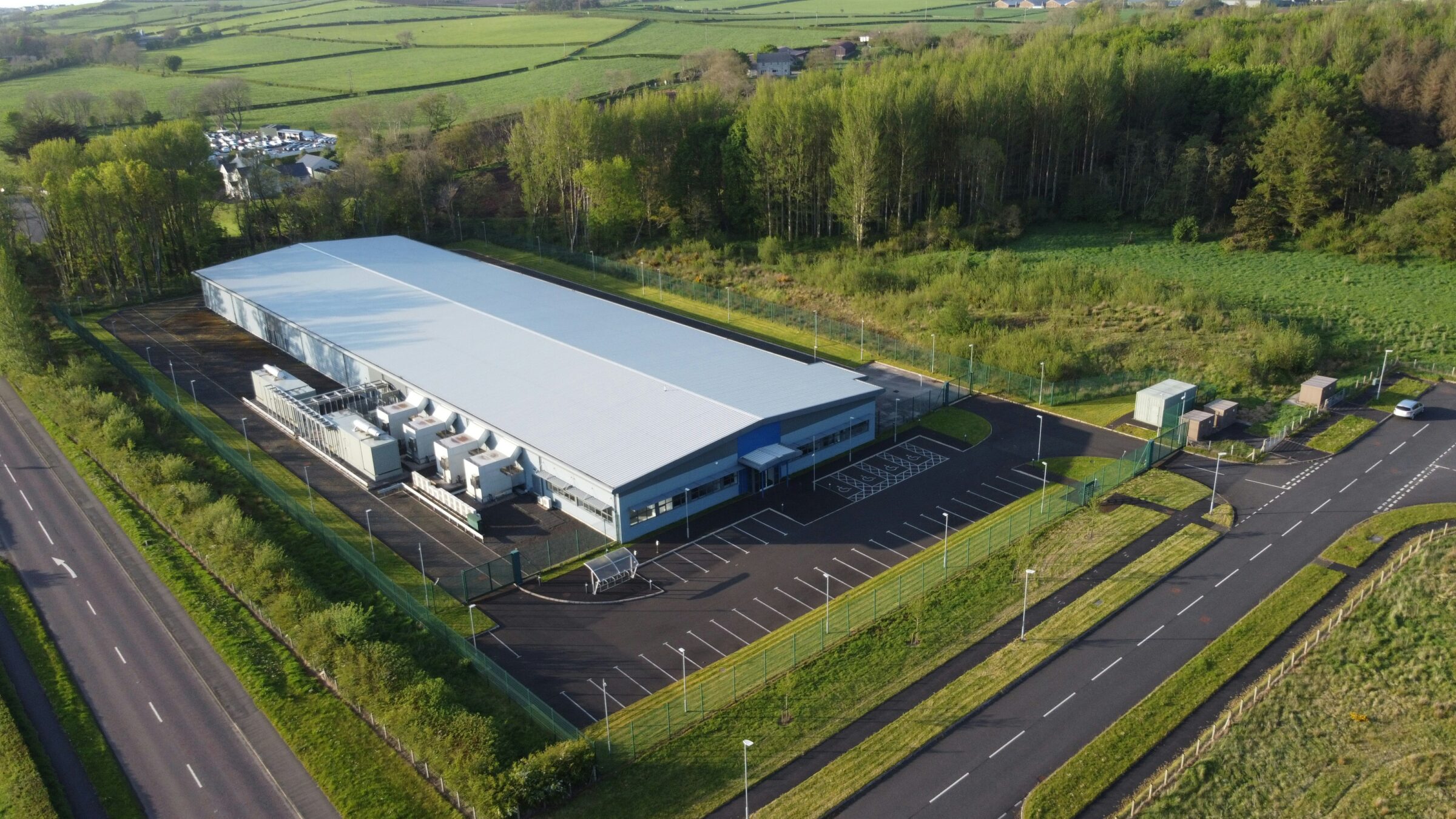 A data centre in Coleraine, Ireland. Only if each and every new data centre runs 24/7 on renewable energy and does not consume water for cooling can one call it operationally sustainable
euobserver.com
A data centre in Coleraine, Ireland. Only if each and every new data centre runs 24/7 on renewable energy and does not consume water for cooling can one call it operationally sustainable
euobserver.com
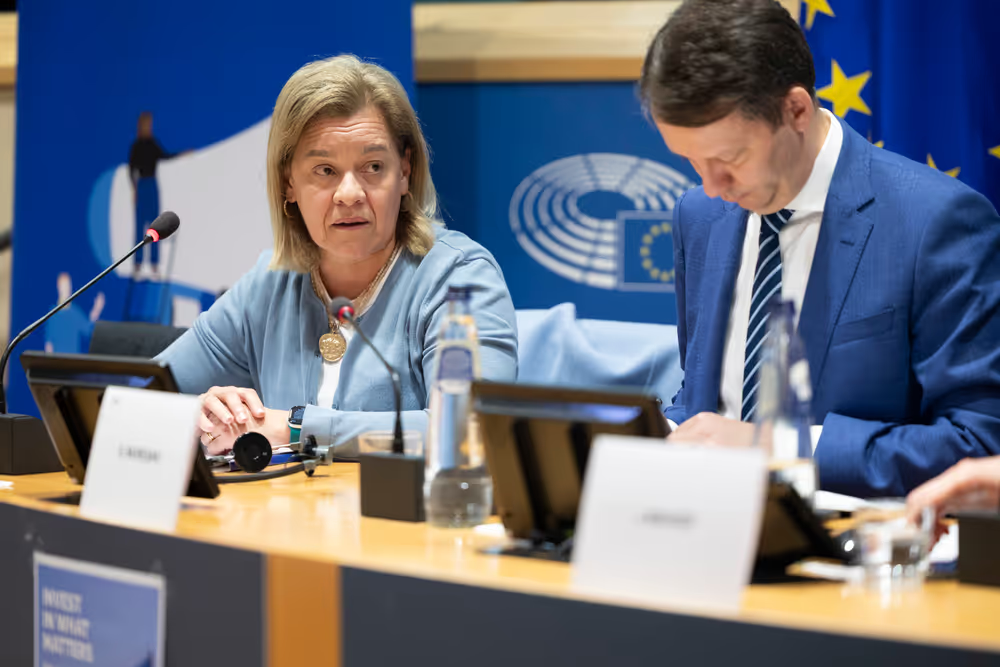 Carla Tavares (l) and Siegfried Mureșan
euobserver.com
Carla Tavares (l) and Siegfried Mureșan
euobserver.com
 When it comes to tech’s software dependency, what does ‘Buy European’ even mean?
euobserver.com
When it comes to tech’s software dependency, what does ‘Buy European’ even mean?
euobserver.com
 Wiretapped and hacked MEPs speak out against spyware (Photo: EUobserver)
euobserver.com
Wiretapped and hacked MEPs speak out against spyware (Photo: EUobserver)
euobserver.com
 Judith Arnal
euobserver.com
Judith Arnal
euobserver.com
Microsoft and other US tech groups persuaded the European Commission to add a confidentiality clause to EU rules that blocks public access to environmental data on individual data centres, according to an investigation by Investigate Europe published with the Guardian and EUobserver.
The clause was inserted into implementing guidance tied to the EU’s revised Energy Efficiency Directive, which since 2023 has required data-centre operators to report key performance indicators such as energy use and water consumption. The commission initially envisaged publishing the information in aggregated form, but industry submissions during a January 2024 consultation pushed for facility-level information to be treated as commercially sensitive and therefore withheld.
The final wording, published in March 2024, states that “the commission and member states concerned shall keep confidential all information and key performance indicators for individual datacentres” submitted to the database, and that the information “shall be considered confidential” because it affects operators’ commercial interests. The Guardian reports the text differs by only a couple of words from language proposed by Microsoft and trade groups, including DigitalEurope, whose members include Microsoft, Google, Amazon and Meta.
The practical effect is that researchers, journalists and local communities get only national-level summaries, not data that would allow comparisons between facilities, operators or regions. That matters because the EU is simultaneously trying to accelerate capacity: Brussels wants to triple the bloc’s data-centre footprint within five to seven years as it positions itself as an AI hub, even as AI workloads drive demand for power-intensive compute.
The reporting also describes how the clause is already being used as a shield. In a 2025 email cited by Investigate Europe, a senior commission official reminded national authorities that they were obliged to keep individual data-centre KPIs confidential and noted that access-to-documents requests “by the media or the public” had been refused on that basis.
Legal scholars interviewed by Investigate Europe argue the blanket nature of the confidentiality provision is unusual for environmental reporting and may conflict with EU transparency norms and the Aarhus Convention, which commits signatories to provide public access to environmental information. Professor Jerzy Jendrośka, a former member of the Aarhus Convention’s compliance body, told the outlets he could not recall a comparable case in two decades.
The episode lands in a familiar gap between EU ambitions and enforceable accountability. Europe’s energy policy now treats data centres as strategic infrastructure—necessary for cloud services, AI training and “digital sovereignty”—while the public costs of expansion show up in grid constraints, water usage and local permitting fights. When the only comparable dataset is locked behind a confidentiality wall, the argument over whether a given facility is efficient or wasteful becomes a matter of press releases rather than measurement.
The commission can still collect the data; the public just cannot see it.
In the email cited by Investigate Europe, officials emphasised that this was the point.