
South Korea captures runaway zoo wolf
Daejeon ends nine-day search for Neukgu near expressway, meme coin outlives the escape
Images
 Neukgu's pulse and body temperature were normal after the capture, authorities said
bbc.com
Neukgu's pulse and body temperature were normal after the capture, authorities said
bbc.com
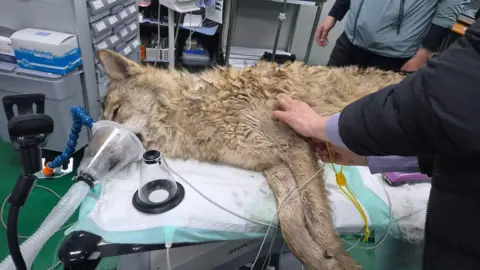 Neukgu's pulse and body temperature were normal after the capture, authorities said
bbc.com
Neukgu's pulse and body temperature were normal after the capture, authorities said
bbc.com
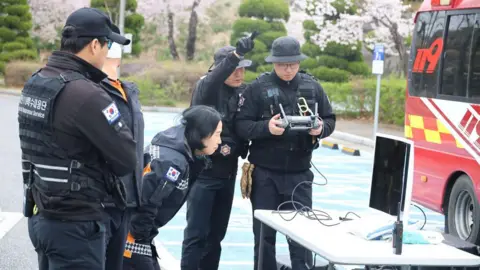 Hundreds of rescue officials had been deployed to find Neukgu
bbc.com
Hundreds of rescue officials had been deployed to find Neukgu
bbc.com
Neukgu is back in his enclosure after nine days on the run. The two-year-old wolf, part of a “Korean wolf” restoration programme at Daejeon’s O-World zoo, was captured near an expressway at 00:44 on Friday after hundreds of officials searched mountains and roads following repeated sightings.
According to the Daejeon city government, the final operation began after a tip-off in the Anyeong-dong area on Thursday evening. Rescuers used a tranquilliser gun and carried the sedated animal into a transport crate; officials later said his pulse and body temperature were normal after examination.
The episode became a national spectacle in a way that says as much about South Korea’s media ecosystem as it does about wildlife management. The search produced late-night smartphone footage of the animal trotting along a road in headlights, and the city itself published capture video once the operation succeeded. Even President Lee Jae Myung weighed in publicly, posting that he was praying for the animal’s safe return, according to the BBC.
Behind the viral story sits a more ordinary set of constraints. The zoo’s programme aims to reintroduce a wolf that once roamed the peninsula but is now considered extinct in the wild. Yet a captive-bred animal escaping into a built environment forces officials to balance public safety, animal welfare, and reputational risk. Animal rights groups warned that the wolf could be killed during capture, pointing to a 2018 incident in which a puma that escaped from the same zoo was shot.
The incentives in such situations are straightforward: authorities are punished for visible harm and rewarded for a clean resolution, even if the most resource-intensive option is chosen. Daejeon deployed “hundreds” of personnel over more than a week, while the animal repeatedly slipped away when sightings came in. In the absence of clear information, online communities filled the gap with narrative and symbolism; the BBC reports the wolf even inspired a meme coin marketed as a “symbol of independence” and “the wolf that wouldn’t stay caged”.
By Friday morning the story ended not with a policy reform but with a health check and a social-media thank-you. Neukgu was photographed sedated on a clinic table, then returned to O-World.
The wolf that triggered a nationwide search was finally found a few kilometres from the zoo that lost him.