
Israel and Lebanon begin 10-day ceasefire
Trump announcement surprises Israeli security cabinet, Netanyahu says troops stay in thickened security zone
Images
 bbc.com
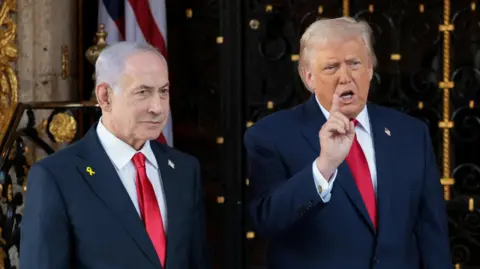 Reuters U.S. President Donald Trump speaks to the media next to Israeli Prime Minister Benjamin Netanyahu.
bbc.com
Reuters U.S. President Donald Trump speaks to the media next to Israeli Prime Minister Benjamin Netanyahu.
bbc.com
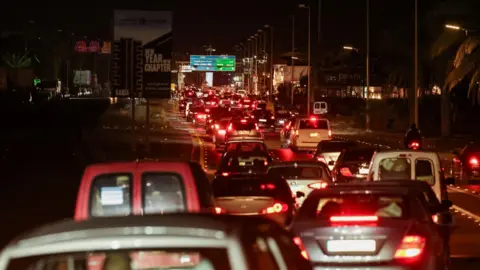 Vehicles crowded roads in Lebanon after the ceasefire came into effect as people returned to their homes
bbc.com
Vehicles crowded roads in Lebanon after the ceasefire came into effect as people returned to their homes
bbc.com
A 10-day ceasefire between Israel and Lebanon came into force on Thursday evening after being announced by Donald Trump, catching many Israelis off guard as rockets were still incoming in the final hours. The BBC reported air-defence interceptions over the northern city of Nahariya as the truce approached, with Israeli ambulance crews saying at least three people were wounded by shrapnel, two of them seriously. In Lebanon, Reuters footage showed roads filling with traffic as residents began moving back toward areas hit during weeks of fighting.
The way the ceasefire was delivered has become part of the story. The BBC says the announcement surprised Israeli officials, with one Israeli outlet describing Prime Minister Benjamin Netanyahu calling a security cabinet meeting on five minutes’ notice shortly before Trump’s statement. Leaks from that meeting, according to the report, suggested ministers were not given a vote. That procedural detail matters because Israel has five army divisions operating in southern Lebanon, and only a day earlier an IDF spokesman had said forces would continue advancing.
Netanyahu framed the pause as a chance for a “historic peace agreement with Lebanon,” but he also publicly narrowed what Israel is conceding. According to the BBC, he said Hezbollah demanded two conditions—an Israeli withdrawal and a “quiet for quiet” principle—and that he agreed to neither. Instead, he said Israeli forces would remain in what he called a “thickened security zone” inside Lebanon.
The ceasefire is also tangled up with the wider U.S.-Iran track. The BBC notes that Iran has been pressing for an end to Israeli operations against Hezbollah since Tehran agreed earlier this month to a separate two-week ceasefire with the United States. Trump had initially described Israel’s Lebanon campaign as a “separate skirmish,” but later said he wanted “breathing room” between Israel and Lebanon as U.S. negotiations with Iran falter and the two-week window approaches its end.
Domestically, the pause lands amid Israeli public support for continued pressure on Hezbollah. The BBC cites a Channel 12 poll showing almost 80% of respondents backing continued strikes, while multiple surveys suggested majorities also supported ongoing action. Opposition figures are using the ceasefire’s timing and process to argue that battlefield gains are being traded away without a clear diplomatic settlement.
Sirens sounded in northern Israel as the ceasefire approached, and interceptions still lit the sky over Nahariya. Within hours of the truce taking effect, traffic on Lebanese roads was already moving in the opposite direction.