
FAA caps Chicago O’Hare flights
Peak-day schedule cut to 2708 flights through October, construction and controller constraints turn growth into cancellations
Images
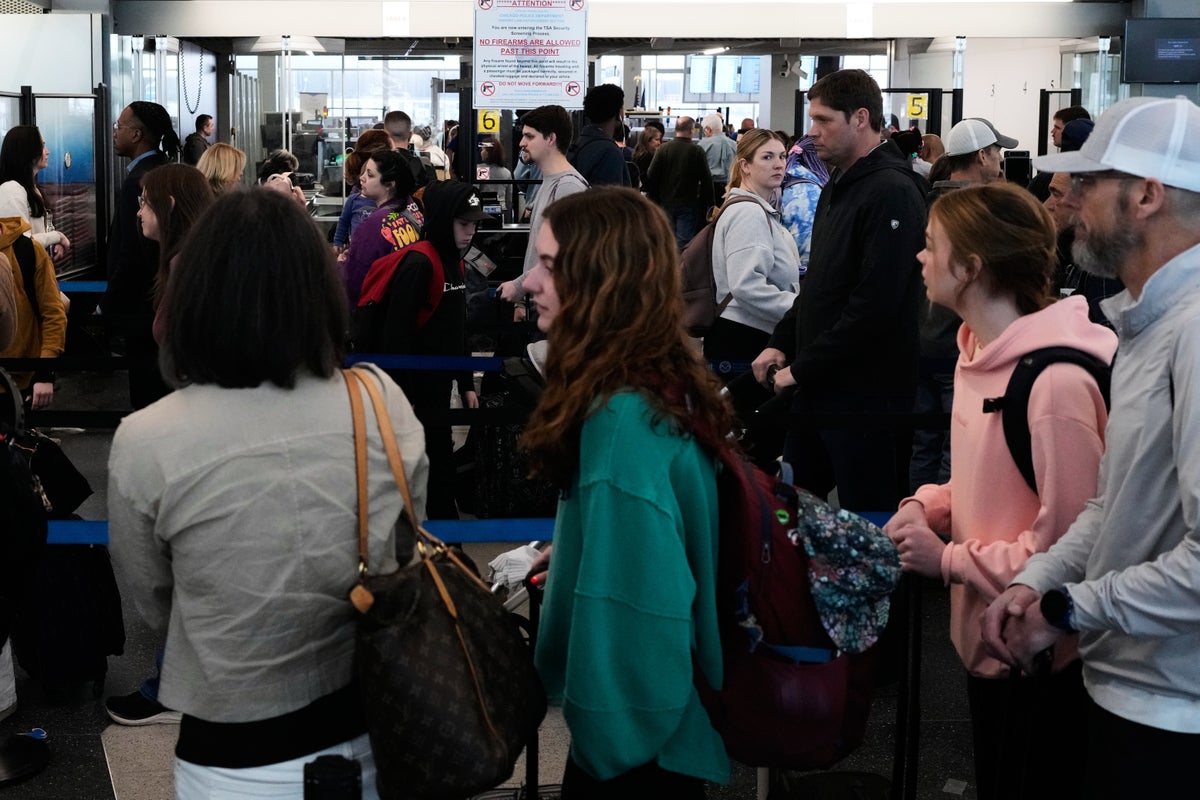 Federal officials order flight cuts at Chicago O'Hare to reduce airport delays
independent.co.uk
Federal officials order flight cuts at Chicago O'Hare to reduce airport delays
independent.co.uk
FAA caps Chicago O’Hare flights for summer, roughly 300 daily slots cut on peak days, airlines sell growth while the airfield runs into construction limits
US federal officials will cap flights at Chicago O’Hare International Airport this summer, forcing airlines to cut about 300 flights per day on the busiest days in an attempt to reduce delays, according to The Independent.
The Federal Aviation Administration and the Department of Transportation said O’Hare’s schedule had expanded beyond what the airport can reliably handle while taxiways are closed for construction. On peak days more than 3,080 flights had been planned—about a 15% increase from last summer—before the government moved to impose a maximum of 2,708 flights, The Independent reported. The limits take effect May 17 and run through Oct. 24.
Transportation Secretary Sean Duffy framed the order as a consumer-protection measure: if passengers buy a ticket, they should have “certainty” that they will fly without “endless delays and cancellations,” according to his statement. O’Hare is already the busiest US airport by flight volume and had one of the worst delay records nationwide last year.
The immediate consequence is that airlines must decide which flights to cancel and then notify customers. The longer-term consequence is that regulators are now directly shaping capacity at a major hub—effectively telling carriers that schedule ambition is not the same thing as operational capability.
The draft order cited expansion plans by American Airlines and United Airlines that, in the FAA’s view, would have produced significant delays and exceeded the airfield’s practical limits this summer. Both carriers publicly welcomed the cap. American said the measure would improve reliability and reduce disruptions, while United said it appreciated a “solution that makes sense for everyone who cares about O’Hare’s success,” according to The Independent.
That alignment is not accidental. When delays spike, airlines bear some costs—rebookings, crew and aircraft mispositioning, compensation—while other costs land on passengers, airports and the wider network. A federal cap shifts the problem from day-of chaos to pre-season cancellations, trading visible disruption for quieter rationing.
The FAA’s approach also highlights the fragility of US air-traffic infrastructure when demand rises faster than airfield and controller capacity. On slower travel days—typically Tuesdays, Wednesdays and Saturdays—fewer cuts will be required because fewer flights were scheduled in the first place.
The cap leaves O’Hare with a number that is still slightly higher than last summer’s peak of 2,680 flights. The difference is that this time the ceiling is written down in a federal order.
The flight limits begin May 17.