
Unsealed filings detail Amazon Buy Box pressure on third-party sellers
California antitrust case says platform tracks rival prices down to a cent, lowest-price branding depends on keeping competitors from undercutting
Images
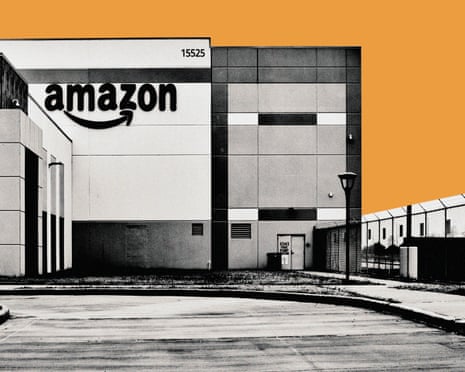 Composite: The Guardian/Getty Images
theguardian.com
Composite: The Guardian/Getty Images
theguardian.com
Newly unsealed court filings in California’s antitrust case against Amazon include internal emails, deposition testimony and corporate presentations that state lawyers say show the company policing prices well beyond its own website. According to The Guardian, the documents describe Amazon tracking whether independent sellers list items for less on rivals such as Walmart and Target and then removing access to key sales placement on Amazon when it detects an undercut.
California’s attorney general, Rob Bonta, sued Amazon in 2022 alleging the company uses its market power to keep prices across the internet higher than they would be under normal competition. The newly revealed material focuses on the “Buy Box” — the prominent purchase panel that routes most sales to a single featured offer. Sellers told investigators that losing Buy Box eligibility can crater sales, turning what looks like a merchandising choice into a disciplinary tool.
One example in the filings is almost comically small: a children’s pajama set sold by clothing company Leveret. In a previously redacted deposition, the owner said Amazon removed the product from the Buy Box because it was priced at $19.99 on Amazon — one cent higher than on Walmart. He testified that the company responded by raising the Walmart price to match or exceed Amazon’s, or by changing product codes to evade automated tracking.
The allegation is not that Amazon directly sets third-party prices, but that it makes “cheaper elsewhere” economically irrational for sellers who depend on Amazon’s traffic. California argues that this can push vendors to build Amazon’s fees into their pricing everywhere, effectively exporting Amazon’s cost structure to competitors’ shelves. Amazon denies the claims, calling them “entirely false and misguided,” and argues that the state is effectively asking it to display higher prices.
The case also illustrates how platform governance can substitute for explicit contracts. If a seller’s access to search placement, Prime eligibility, advertising tools or the Buy Box depends on never discounting off-platform, the pressure can be applied automatically and at scale — and the penalty is immediate, without a negotiation.
California says it will take the case to trial in January 2027. The newly unsealed documents, filed in San Francisco county superior court, describe a system where a one-cent discrepancy can trigger a platform-wide sanction.