
Lufthansa grounds aircraft over jet fuel shortages
Hormuz disruption and refinery outages squeeze aviation supply chains, summer capacity cuts arrive before governments do
Images
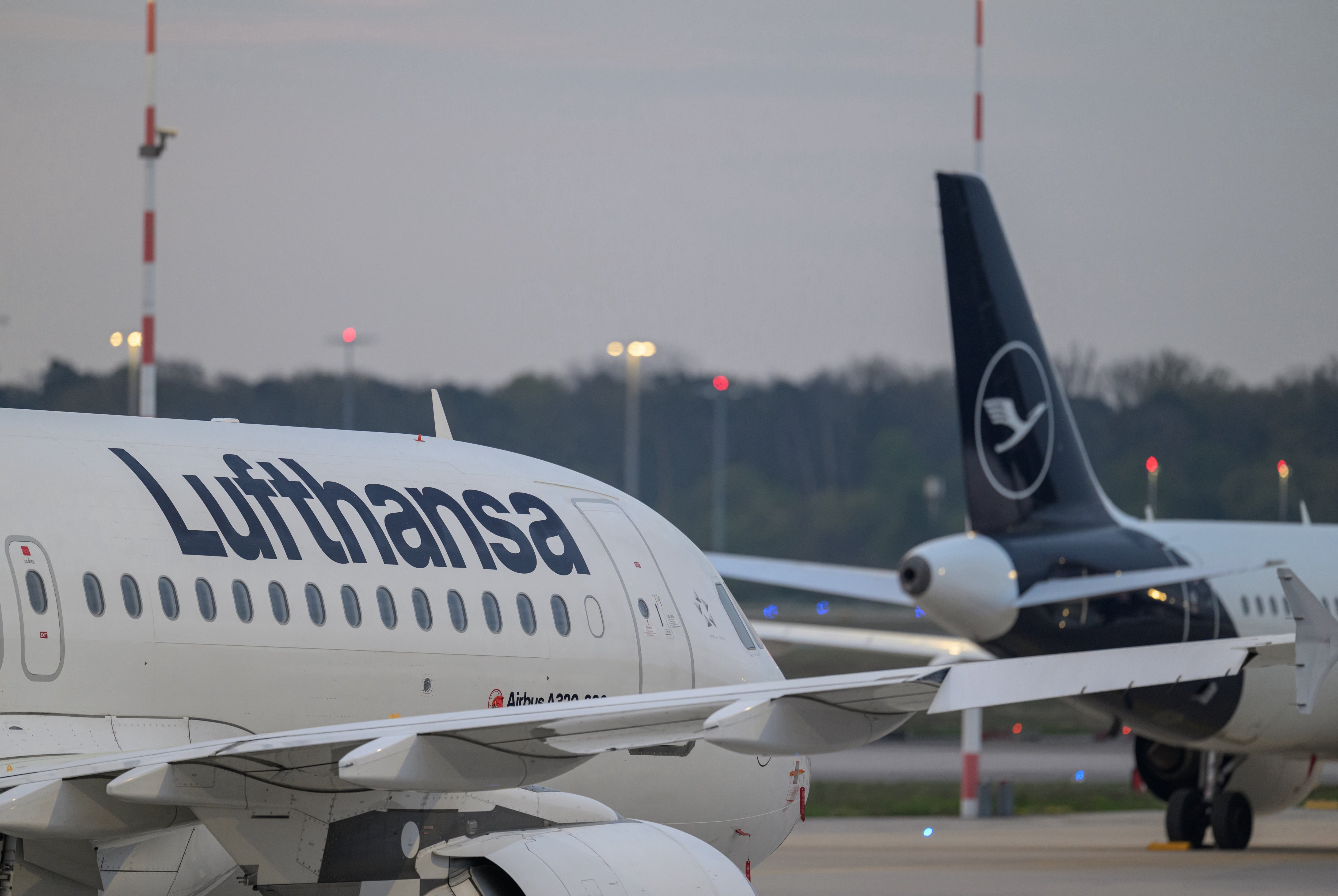 The decision to ground 27 planes servicing its CityLine subsidiary, as well as four older Lufthansa-branded jets, rattled unions (AP)
independent.co.uk
The decision to ground 27 planes servicing its CityLine subsidiary, as well as four older Lufthansa-branded jets, rattled unions (AP)
independent.co.uk
Lufthansa grounds up to 27 aircraft as jet fuel tightens, airlines warn of weeks not months if Hormuz stays shut, a war premium turns summer travel into rationing by price
Lufthansa said it will ground as many as 27 aircraft imminently as jet fuel supplies tighten and prices rise following the U.S.-Israeli war with Iran, according to Reuters reporting carried by The Independent. The German carrier said the groundings will hit its CityLine subsidiary and include four older Lufthansa-branded jets, making it the first major airline to take planes out of service explicitly because of the fuel squeeze.
The immediate trigger is the continued disruption around the Strait of Hormuz, a chokepoint that normally handles roughly a fifth of global oil and liquefied natural gas flows. A short ceasefire has not reopened the route in a way markets can rely on, and airlines are discovering that “availability” is not the same thing as “deliverable at a price you can hedge.” The Independent reports carriers have responded with fare hikes, fuel surcharges and route cuts since the conflict began in late February, while analysts expect further capacity reductions as profit margins are hit from both sides: higher input costs and softer demand.
EasyJet told reporters that travellers are booking later and that some demand has shifted away from the eastern Mediterranean, a pattern that matters because airlines sell much of the summer season in advance to lock in cashflow. EasyJet said it had hedged 70% of its summer fuel needs at $706 per metric ton, but those hedges unwind later in the season—exactly when the industry typically relies on peak load factors to carry the year. Investors reacted quickly: airline shares across Europe fell on the news, with easyJet, Ryanair, Wizz Air and Lufthansa all down.
The shock is spreading beyond Europe. Nigerian airlines warned they could stop flying within days unless fuel prices fall, saying ticket revenue no longer covers fuel costs alone. In Australia, a fire at the Geelong refinery—already a frontpage story in this section—adds a second constraint: even if crude is available, turning it into aviation fuel depends on a small number of plants operating without interruption.
For policymakers, the episode is a reminder that energy security is enforced less by speeches than by insurance terms, refinery throughput and the ability to physically source kerosene at an airport on the day it is needed. For passengers, it is simpler: some flights will not exist, and the remaining seats will carry the cost of the missing fuel.
Lufthansa’s grounded aircraft are not a diplomatic signal; they are parked metal waiting for a commodity that used to arrive on schedule.