
China presses Iran to reopen Strait of Hormuz
US blockade of Iranian ports turns shipping into leverage, trade rivalries surface in the price of safe passage
Images
 Reuters
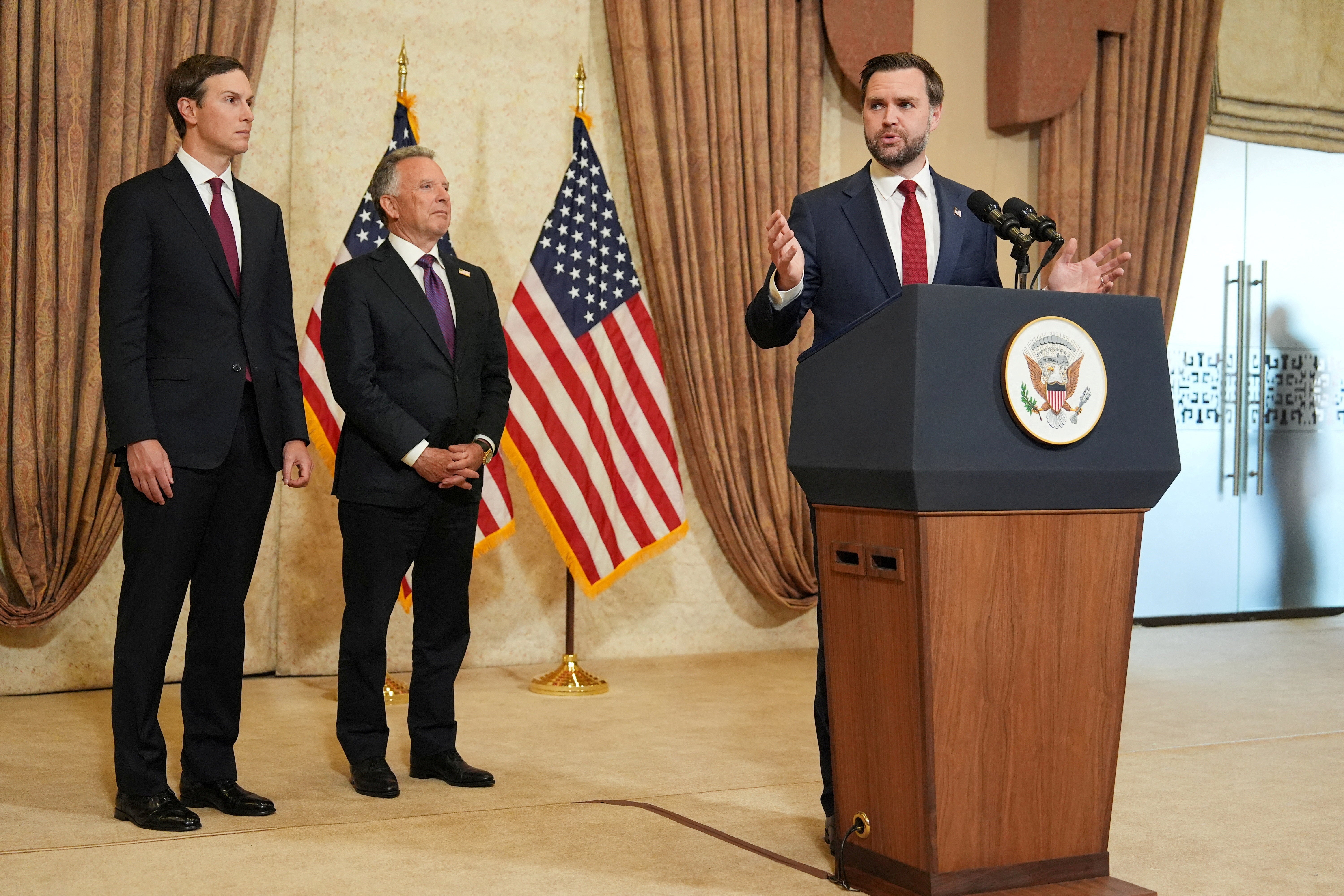 US vice president JD Vance speaks during a press conference on 12 April following peace talks in Islamabad (Reuters)
Reuters
US vice president JD Vance speaks during a press conference on 12 April following peace talks in Islamabad (Reuters)
Reuters
 independent.co.uk
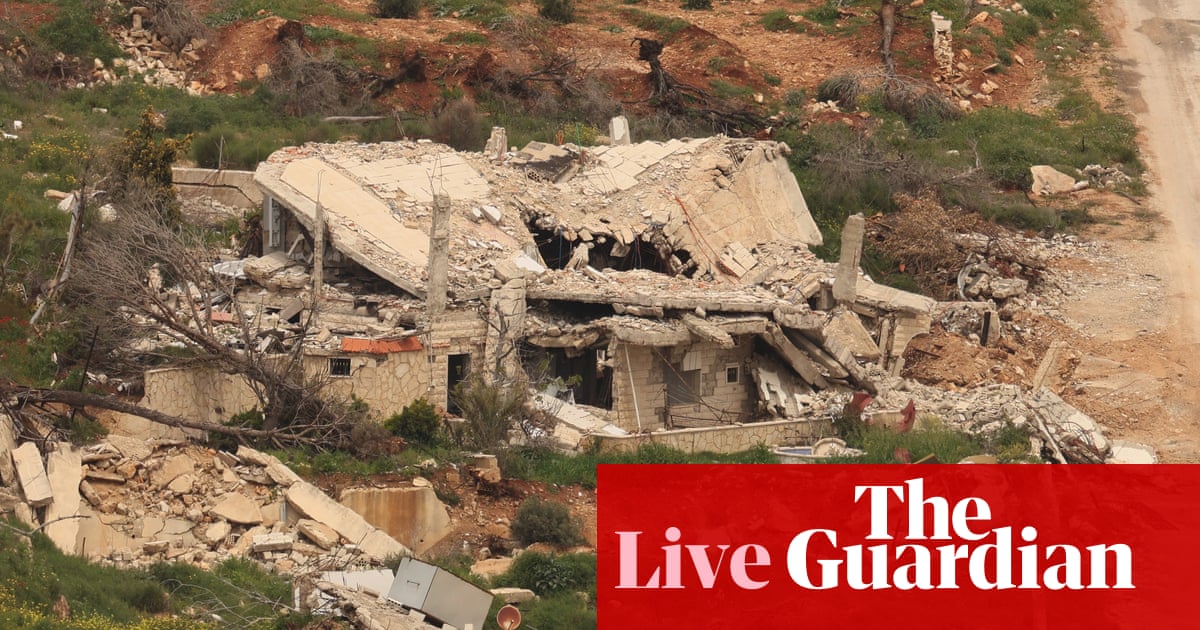 Middle East crisis live: Netanyahu ‘to speak to Lebanese leader today’ but Beirut reportedly unaware of plans
theguardian.com
Middle East crisis live: Netanyahu ‘to speak to Lebanese leader today’ but Beirut reportedly unaware of plans
theguardian.com
China urged Iran on Thursday to reopen the Strait of Hormuz, after a US naval blockade of Iranian ports tightened shipping restrictions and raised fresh questions about who can guarantee passage through one of the world’s most important oil chokepoints. According to The Independent’s live coverage, Chinese foreign minister Wang Yi told Iranian counterpart Abbas Araghchi that “freedom of safety and navigation” must be ensured, a message that comes as Beijing remains Iran’s largest trading partner and the main buyer of its oil.
The Chinese intervention lands on top of a fast-moving set of overlapping negotiations and military actions: Washington has presented its blockade as part of a campaign against Iran, while Donald Trump claimed this week that the US had ended the blockade “for China” and even promised to “do it for Xi”, an unusual public concession to a strategic rival. At the same time, Israeli operations in Lebanon continue, with Lebanon’s health ministry putting the death toll from Israeli strikes at more than 2,100 and displacement at over one million. Reuters reported Pakistan saying both the US and Iran were “willing to hold talks”, but that progress depends on the Lebanon track holding.
What is striking is how quickly commercial infrastructure becomes the real battlefield. A blockade does not need to sink many ships to work; it only needs to change insurers’ pricing, banks’ risk appetite and shipowners’ willingness to send hulls into a zone where coverage may be disputed. China’s demand that Iran reopen Hormuz reads less like diplomacy than a reminder about who pays for disruption—and who expects continuity for crude flows feeding refineries and export industries.
For Tehran, the strait is leverage precisely because it is not fully under Iranian control but can be made costly to use. For Washington, a blockade shifts the pressure point from the front line to logistics, where enforcement can be framed as interdiction rather than invasion. For Beijing, the priority is predictable energy supply: a prolonged spike in freight and insurance premia is a tax on Chinese industry, regardless of which flag is flying over the warships.
The Lebanon dimension complicates the picture. Trump has floated “historic” Lebanon–Israel contacts, with Israeli media citing a security-cabinet member saying Benjamin Netanyahu would speak to Lebanese president Joseph Aoun. Lebanese officials, according to Reuters and The Guardian’s live blog, said they had no information about any such planned contact. That gap—announcements on social media versus governments saying they have not been briefed—has become a recurring feature of crisis management, and a poor substitute for the kind of verifiable commitments that shipping markets can price.
China’s message was simple: reopen the waterway. The harder question is what enforcement mechanism exists when every actor in the chain—navies, insurers, port authorities, and governments—can halt traffic with a single decision.
On Thursday, the world’s top buyer of Iranian oil publicly asked Tehran to guarantee navigation through Hormuz while the US described its own blockade as something it could switch on and off.