
Fire hits Geelong oil refinery
Viva Energy says petrol output disrupted at plant supplying half of Victoria, Australia’s fuel security depends on imports and one remaining peer facility
Images
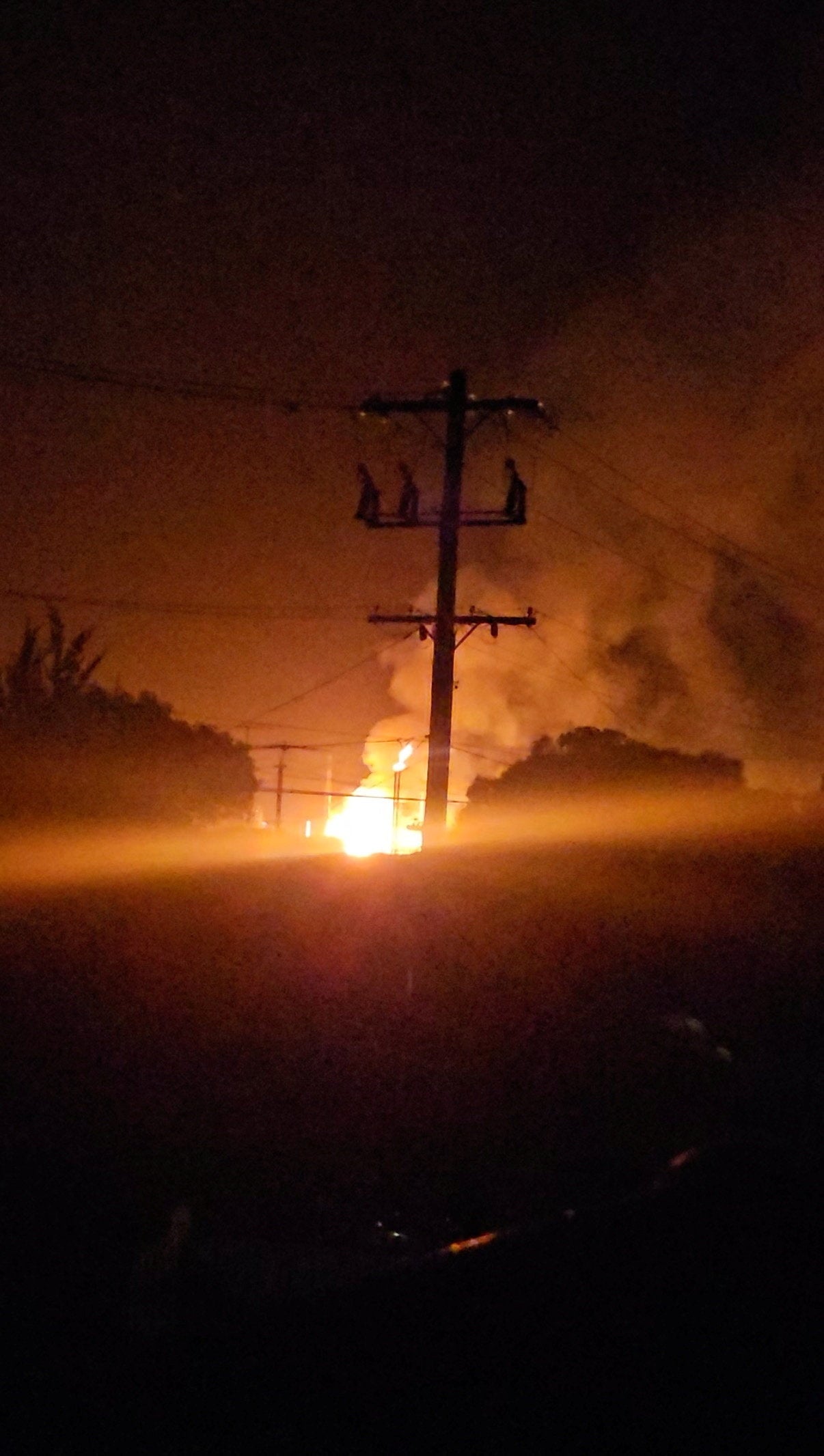 Smoke and flames rise from a fire at Viva Energy Group's refinery in Geelong, Australia (Reuters)
Reuters
Smoke and flames rise from a fire at Viva Energy Group's refinery in Geelong, Australia (Reuters)
Reuters
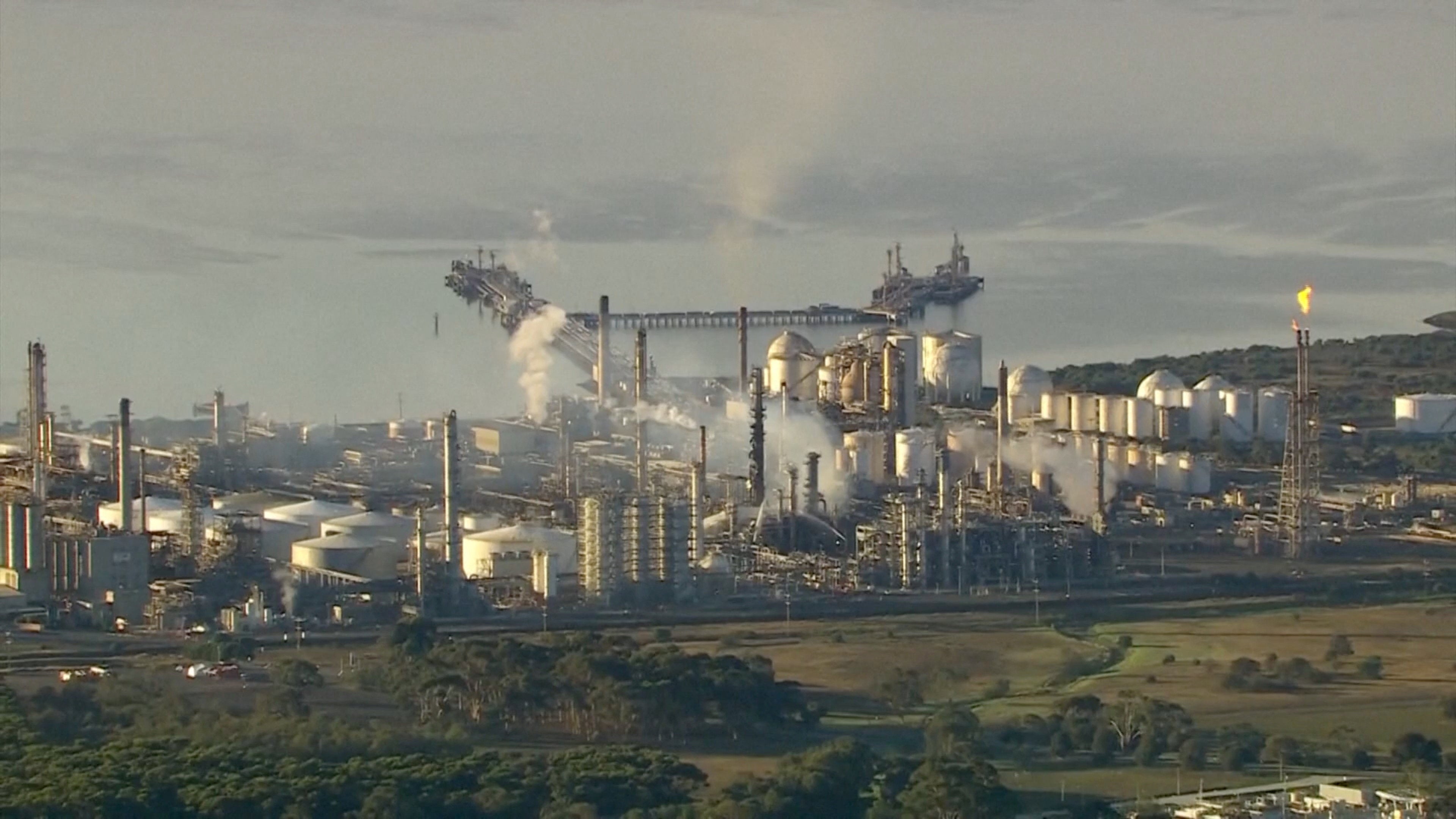 An aerial view shows smoke rising following a fire at Viva Energy Group's refinery in Geelong, Australia (Reuters)
Reuters
An aerial view shows smoke rising following a fire at Viva Energy Group's refinery in Geelong, Australia (Reuters)
Reuters
A fire at Viva Energy’s Geelong refinery burned for about 13 hours before being extinguished, disrupting petrol production at one of Australia’s last two operating refineries and tightening fuel supply at a moment when global shipping and energy markets are already strained by the US-Iran conflict.
According to The Independent, the blaze broke out just after 11pm at the Corio facility, about 75km south-west of Melbourne, after emergency calls reported explosions and flames. Fire Rescue Victoria said the fire was contained to the “Mogas” area—where motor gasoline is produced—covering roughly a 30-by-30 metre section. No injuries were reported.
Geelong is not a marginal asset in the Australian fuel system. The refinery processes about 120,000 barrels a day and supplies roughly half of Victoria’s fuel and about a tenth of national demand, The Independent reports. Viva Energy chief executive Scott Wyatt said petrol products had been affected and that production would not restart until the site was safe.
The incident exposes how thin Australia’s buffer has become after years of refinery closures and growing dependence on imports. Federal energy minister Chris Bowen said diesel and jet fuel production was continuing at reduced levels as a precaution, but warned petrol output “may be impacted for some time”. He called the timing “not great” given fuel-security concerns, while pointing to efforts to source additional supply from overseas.
Analysts quoted by The Independent linked the fire to broader vulnerability rather than a single bad night. Professor Hussein Dia at Swinburne University of Technology said any disruption to domestic refining capacity narrows the country’s ability to absorb shocks. Professor Sajid Anwar at the University of the Sunshine Coast pointed to reports of cancelled oil tankers scheduled for April delivery and warned that the combined supply shock could keep interest rates higher for longer.
Air-quality monitoring did not detect contaminants in air or water tests, authorities said. The Independent cites an air-quality specialist comparing exposure from a motor-fuel fire to standing near a busy road, while recommending extra caution for vulnerable groups.
The fire was contained to the petrol-producing unit. Diesel and jet fuel continued to run, and petrol did not.