
Pentagon expands contingency planning for Cuba operation
Trump tightens oil pressure as blackouts spread, Southern Command denies awareness while options multiply
Images
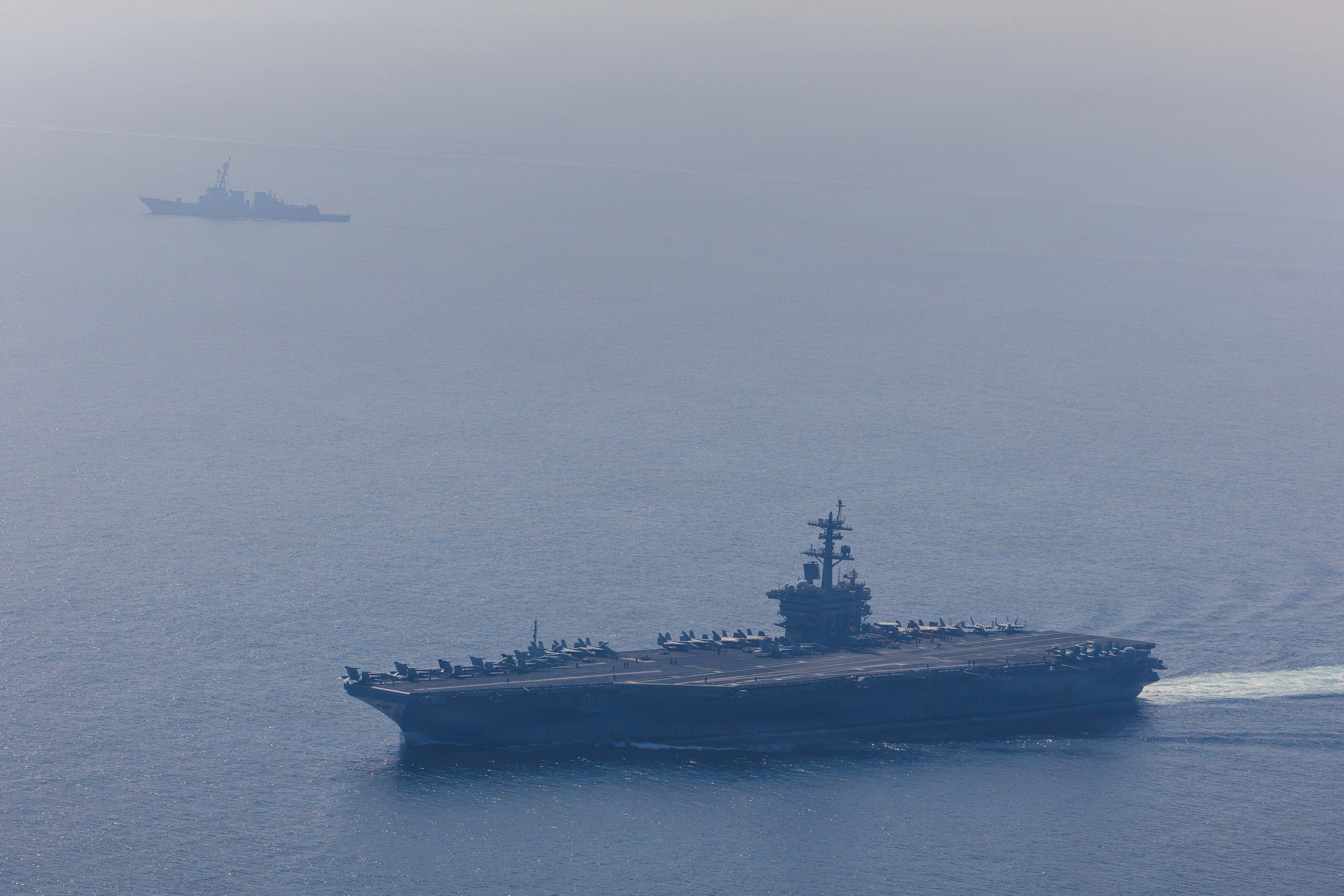 The Pentagon is discreetly stepping up preparations for a possible US military operation in Cuba, according to new reports (Getty Images)
Getty Images
The Pentagon is discreetly stepping up preparations for a possible US military operation in Cuba, according to new reports (Getty Images)
Getty Images
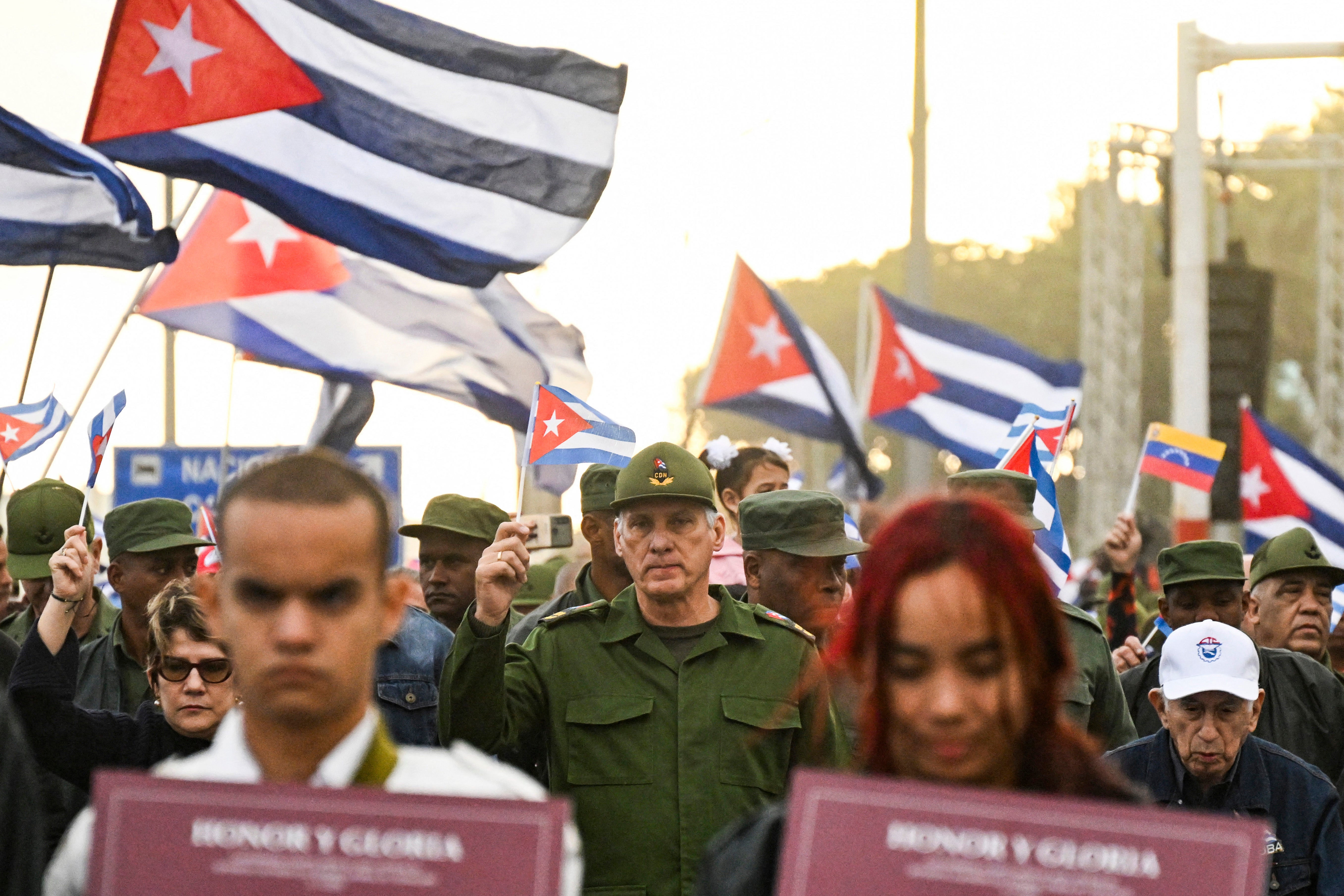 Cuba's President Miguel Diaz-Canel (center) has repeatedly denounced the Trump administration’s hostile rhetoric. In January, he said that his government was 'ready to defend the homeland to the last drop of blood' (POOL/AFP via Getty Images)
POOL/AFP via Getty Images
Cuba's President Miguel Diaz-Canel (center) has repeatedly denounced the Trump administration’s hostile rhetoric. In January, he said that his government was 'ready to defend the homeland to the last drop of blood' (POOL/AFP via Getty Images)
POOL/AFP via Getty Images
 bnonews.com
 bnonews.com
 bnonews.com
 bnonews.com
 bnonews.com
The Pentagon is “ramping up” contingency planning for a possible military operation in Cuba, according to USA Today, as President Donald Trump intensifies public threats and economic pressure on the island.
USA Today, cited by BNO News, reported that the preparations are being developed quietly and based on input from two people familiar with the directive, speaking anonymously because they were not authorised to discuss it. The Pentagon’s public line is narrower: it plans for a range of contingencies and is prepared to carry out presidential orders as directed. In parallel, The Independent reports that a Pentagon spokesperson declined to address the alleged plans directly and referred questions to U.S. Southern Command, whose representatives said they did not know of any such planning—an institutional shrug that does not, by itself, disprove activity occurring at higher classification levels.
The immediate backdrop is Cuba’s worsening energy and fiscal crisis. Both accounts describe fuel shortages and rolling blackouts across the island, and they link Washington’s posture to steps taken since January to cut off oil flows and raise the cost of supplying Havana. The Independent says the administration has threatened tariffs on countries exporting oil to Cuba and has seized multiple oil tankers headed for the island, actions that push the same pressure point: Cuba’s dependence on imported energy.
Planning for an operation does not mean one is imminent, but it changes how regional actors price risk. Cuba’s government has treated Trump’s remarks as more than theatre. President Miguel Díaz‑Canel has accused the United States of openly threatening to overthrow Cuba’s constitutional order by force, and has warned that any external aggressor would face “unbreakable resistance,” according to USA Today. In an NBC interview cited by The Independent, Díaz‑Canel framed the choice in existential terms—fight, and if necessary die—language that signals to domestic security forces that the regime expects confrontation, not negotiation.
For Washington, the mix of sanctions, interdictions and contingency planning creates a ladder of escalation that can be climbed quickly once assets are positioned and options are written. For Havana, the same ladder creates incentives to harden internal control and blame external enemies for shortages—especially when blackouts and transport paralysis can be attributed to “pressure” rather than to decades of state-run energy policy.
USA Today’s reporting, relayed by BNO News, said the planning is being prepared “in case” Trump gives the order. The Independent notes that the Iran war remains unresolved, making the prospect of opening another front in the Caribbean a question of bandwidth as much as intent.
The reported planning comes as Cuba’s power grid continues to fail under fuel scarcity, while the U.S. government insists it is merely prepared to execute whatever orders may come.