
Iran threatens to expand shipping disruption beyond Hormuz
US naval blockade of Iranian ports becomes ceasefire test, trade routes depend on insurers before navies
Images
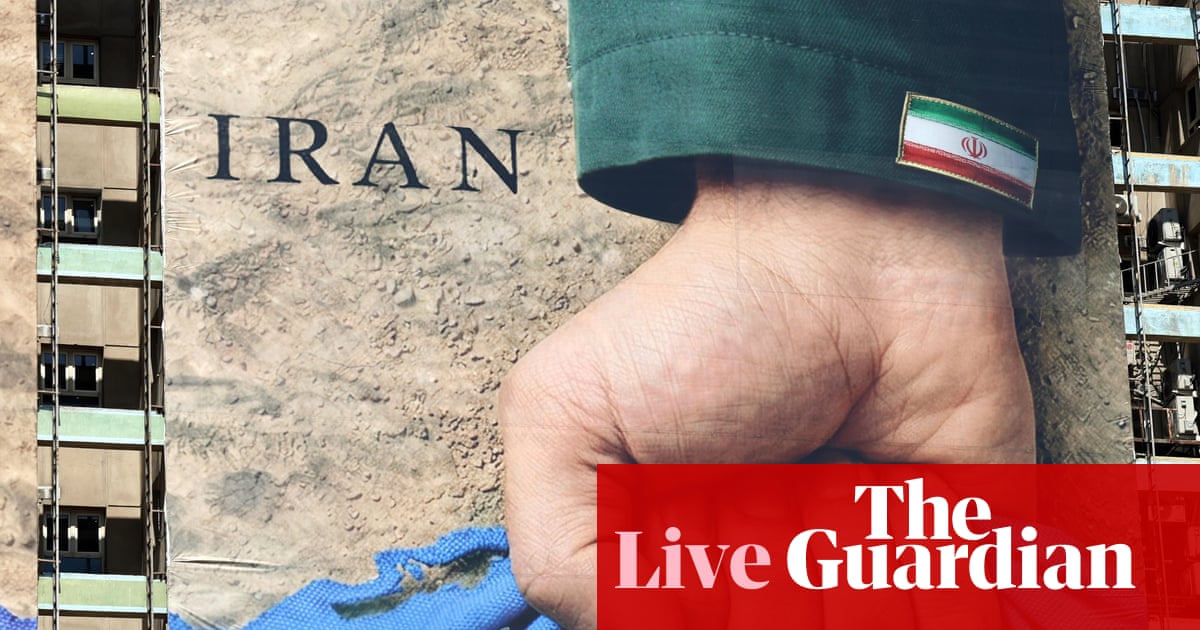 Middle East crisis live: Iran threatens shipping beyond strait of Hormuz if US naval blockade continues
theguardian.com
Middle East crisis live: Iran threatens shipping beyond strait of Hormuz if US naval blockade continues
theguardian.com
Iran’s military command has warned that the US naval blockade of Iranian ports could trigger a wider shutdown of shipping across three waterways that carry a large share of global energy and container traffic. Maj Gen Ali Abdollahi, commander of Iran’s Khatam al-Anbiya Central Headquarters, said Tehran would treat any “insecurity for Iran’s merchant and oil tanker vessels” as a breach of the ceasefire conditions, according to a statement carried by the semi-official Tasnim agency and reported by The Guardian.
The threat is notable because it shifts the dispute from the Strait of Hormuz—already the focal point of the current US-Iran standoff—to the Persian Gulf, the Sea of Oman and the Red Sea. A blockade is, by design, a tool that lives in the grey zone between war and regulation: it relies on inspections, paperwork, and the willingness of insurers and shipowners to accept risk. The moment a state signals that the response will be to disrupt “any exports or imports” in adjacent seas, the commercial calculation changes from delay and rerouting to outright cessation.
That is the leverage Tehran retains even when its own ports are under pressure. Iran does not need to sink large numbers of ships to raise the cost of using a route; it only needs to make the first loss plausible enough that underwriters reprice war-risk cover and banks tighten trade finance. The section frontpage already shows how quickly that mechanism has been working: nearly 800 vessels were reported stuck in the Gulf after the blockade began, and shipping control has leaned on AIS transponders and “unclear cargo documentation” rather than hard physical interdiction.
The ceasefire language matters because it turns operational friction into a political trigger. Abdollahi’s formulation—blockade-induced “insecurity” equals breach—creates room for Iran to claim escalation without a single missile being fired. It also puts Gulf states and shipping firms in the role of unwilling referees: a cargo delayed by inspection, a tanker that turns back, or an insurer that refuses cover can be recast as evidence that the ceasefire has been violated.
For Washington, the dilemma is that a blockade meant to constrain Iran’s trade can become the pretext for Iran to threaten everyone else’s. The more the policy depends on discretionary enforcement and commercial self-policing, the easier it is for Tehran to argue that the rules are arbitrary—and to justify widening the battlefield to the routes that matter to third parties.
Abdollahi’s statement was explicit: if the blockade continues, Iran will consider preventing exports and imports not only in the Gulf but also in the Sea of Oman and the Red Sea.