
BBC finds UK asylum claims for sexuality and belief are being sold as a service
Undercover reporters hear fees up to £7000 for scripts evidence and mock interviews, a protection system becomes an evidence-production market
Images
 More than 175 people gathered at an event organised by Worcester LGBT
bbc.com
More than 175 people gathered at an event organised by Worcester LGBT
bbc.com
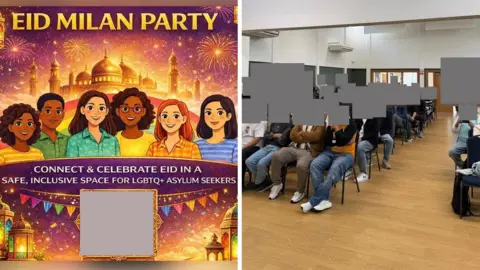 More than 175 people gathered at an event organised by Worcester LGBT
bbc.com
More than 175 people gathered at an event organised by Worcester LGBT
bbc.com
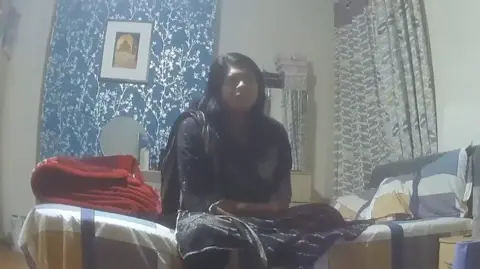 The initial consultation with Tanisa, an adviser to Worcester LGBT, took place in a bedroom
bbc.com
The initial consultation with Tanisa, an adviser to Worcester LGBT, took place in a bedroom
bbc.com
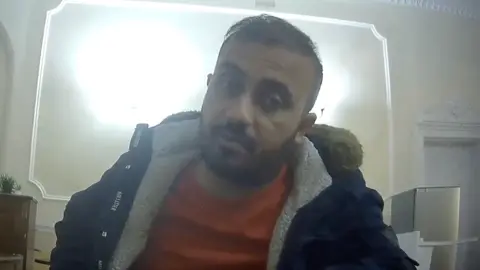 Lawyer Zahid Hasan Akhand was filmed by an undercover reporter
bbc.com
Lawyer Zahid Hasan Akhand was filmed by an undercover reporter
bbc.com
 Thin, red banner promoting the Politics Essential newsletter with text saying, “Get the latest political analysis and big moments, delivered straight to your inbox every weekday”. There is also an image of the Houses of Parliament.
bbc.com
Thin, red banner promoting the Politics Essential newsletter with text saying, “Get the latest political analysis and big moments, delivered straight to your inbox every weekday”. There is also an image of the Houses of Parliament.
bbc.com
A network of UK immigration advisers is charging migrants thousands of pounds to construct asylum claims based on fabricated sexual orientation, atheism or political activism, according to a BBC undercover investigation. Reporters posing as Pakistani and Bangladeshi students with expiring visas were offered scripted “cover stories”, mock interviews and packages of supporting material—letters, photos and even medical evidence—designed to survive Home Office scrutiny.
The BBC says one law firm quoted up to £7,000 for a claim and described the refusal risk as “very low”. Another adviser offered a cheaper route: £1,500 for legal help, plus £2,000–£3,000 for “evidence” arranged through contacts. In recorded meetings, an individual who introduced himself as barrister Zahid Hasan Akhand laid out three “routes” to asylum—gay, atheist or political activist—and described how to manufacture the public footprint the system tends to reward. For an “atheist” case, he suggested social-media posts insulting Islam to attract threats, then participation in UK events to generate live video. For a “political” case, he said, the paperwork burden was harder. Pretending to be gay was presented as the easiest option because, he claimed, officials “will not dig too much into your past story”.
The reporting places the scheme inside a broader shift in who is claiming asylum. The BBC notes that people who apply after arriving legally—students, workers or tourists whose visas are ending—now account for about 35% of asylum claims. Total applications topped 100,000 in 2025. That pool creates a predictable market: applicants are buying time, access to work and housing, and eventually a route to family reunion. Advisers, meanwhile, are selling repeatable templates that convert a personal narrative into a legally protected category.
The investigation also describes how “evidence” can be layered. Some applicants were advised to visit GPs and present as depressed to obtain medical notes; one was told to claim to be HIV positive. At a community-centre event run by Worcester LGBT in east London, an undercover reporter was told by attendees that most participants were not gay—one man saying “not even 0.01%”. The BBC reports that advisers also market staged protests, fake news websites and paid-for articles in atheist outlets as credibility boosters.
The Home Office told the BBC that anyone exploiting the system would face “the full force of the law”, including removal. But the BBC’s recordings show advisers speaking as if detection is unlikely and verification limited—“there is no way to know who is an atheist and who is not,” Akhand said.
At the Worcester LGBT meeting in Beckton, more than 175 men gathered for what the group describes as support for gay and lesbian asylum seekers. Several told the BBC’s undercover reporter the event had become something else entirely.