
Ukraine says robots seize frontline position without infantry
Zelenskyy claims 22000 unmanned missions in three months, Germany backs joint drone production as Europe buys the learning curve
Images
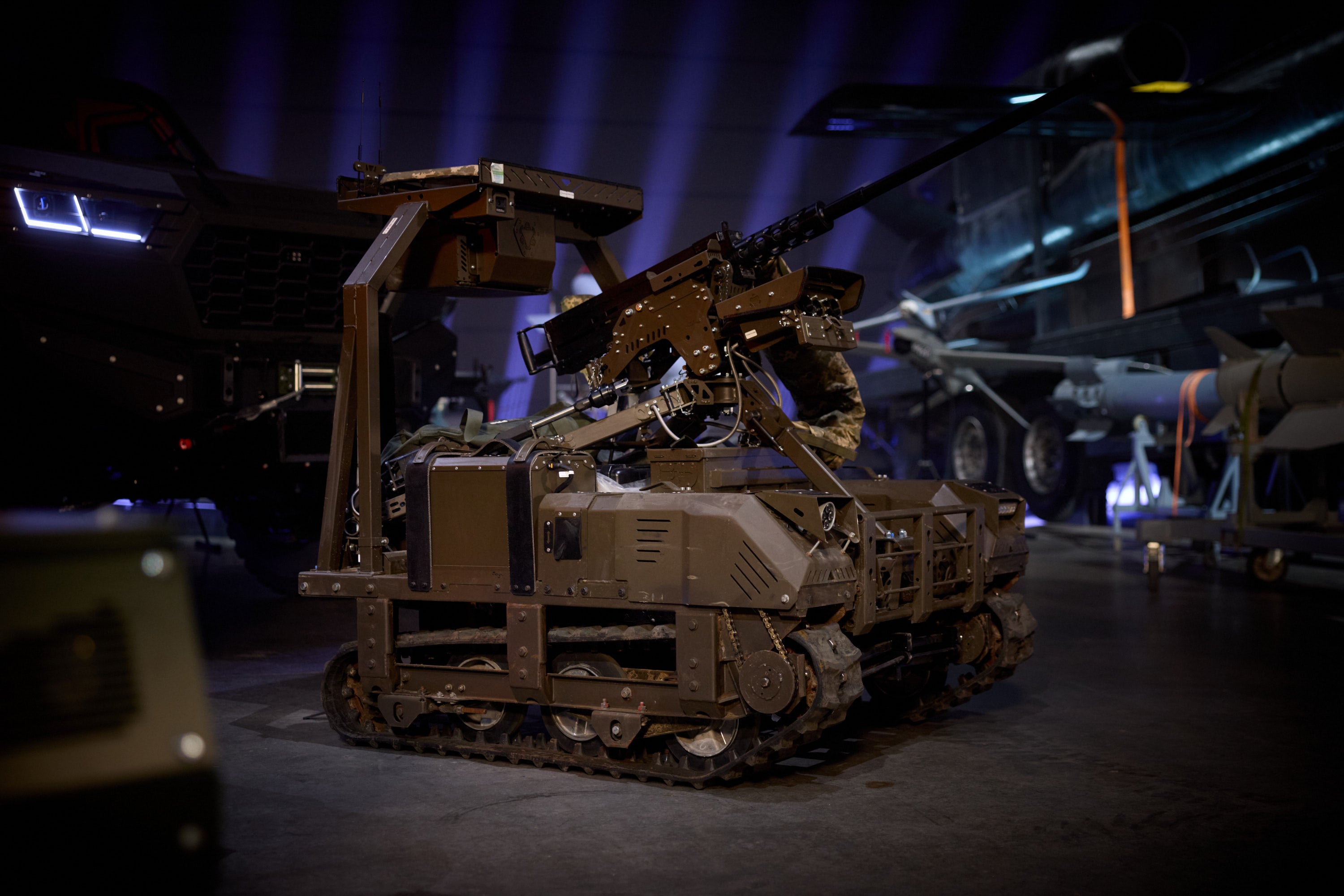 Volodymyr Zelensky said Ukraine's ground robotic systems were defining the future of the front line (Volodymyr Zelensky / X)
Volodymyr Zelensky / X
Volodymyr Zelensky said Ukraine's ground robotic systems were defining the future of the front line (Volodymyr Zelensky / X)
Volodymyr Zelensky / X
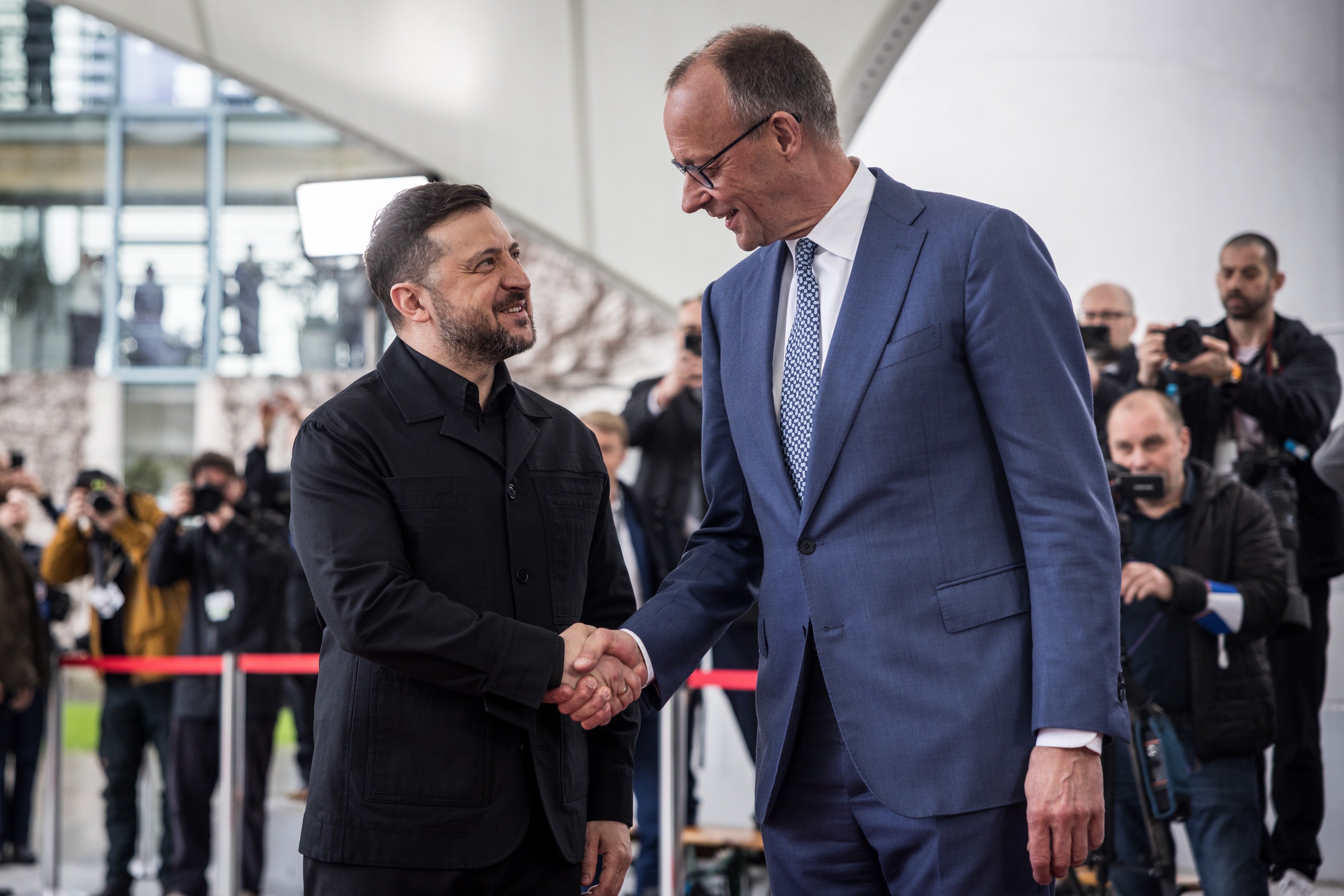 German chancellor Friedrich Merz welcomed Zelensky in Berlin, where they agreed a new drone deal on Tuesday (Getty)
Getty
German chancellor Friedrich Merz welcomed Zelensky in Berlin, where they agreed a new drone deal on Tuesday (Getty)
Getty
Ukraine retakes a position using only unmanned systems, Volodymyr Zelenskyy said this week, describing an assault that relied on first-person-view drones and ground robots rather than infantry. The Ukrainian leader said unmanned platforms have carried out more than 22,000 frontline missions over the past three months, framing the approach as a way to reduce casualties.
The claim, reported by The Independent, points to a tactical shift that has been developing since Russia’s 2022 invasion: turning scarce trained manpower into a command-and-control problem, and turning battlefield exposure into a hardware attrition problem. In the episode Zelenskyy cited, Ukraine’s 3rd Separate Assault Brigade said it used FPV drones and “kamikaze” ground platforms against fortified positions, with Russian troops emerging to surrender rather than be hit at close range. If accurate, the episode matters less as a single raid than as a proof-of-concept that a defended point can be cleared without sending soldiers into the kill zone.
That logic scales only if Ukraine can manufacture and replace machines faster than Russia can destroy them, and if the supply chain for sensors, batteries, radios, and explosives stays intact. Kyiv has spent two years building a domestic drone industry under wartime constraints; now it is trying to industrialise it with European capital. Zelenskyy used the same set of remarks to highlight a new cooperation track with Germany, which Chancellor Friedrich Merz presented as a way to strengthen not only Ukraine’s defence but also Europe’s industrial base. Germany’s defence ministry, according to The Independent, described a joint venture that would supply thousands of drones, while Berlin would also finance “deep strike” capabilities.
The second-order effect is political as much as military. A battlefield that can be fought with remotely operated systems changes the budget debate in donor capitals: money buys hardware that can be counted, shipped and photographed, while the human cost is pushed off the balance sheet. It also changes the procurement fight inside Ukraine, where small firms can iterate quickly and front-line units can bypass slow central purchasing by buying components directly. At the same time, mass drone use creates its own vulnerabilities: electronic warfare, spectrum congestion, and the constant need for trained operators and maintenance crews. A drone that costs little still needs a logistics system that works every day.
Zelenskyy’s headline number was 22,000 unmanned missions in three months. The position he said was taken without infantry was one trenchline on one day, but it is being used as a template for how the next months of the war will be financed and fought.