
Israel and Lebanon hold first direct talks in decades
Washington meeting seeks end to border war and Hezbollah role, rockets fly as diplomats talk
Images
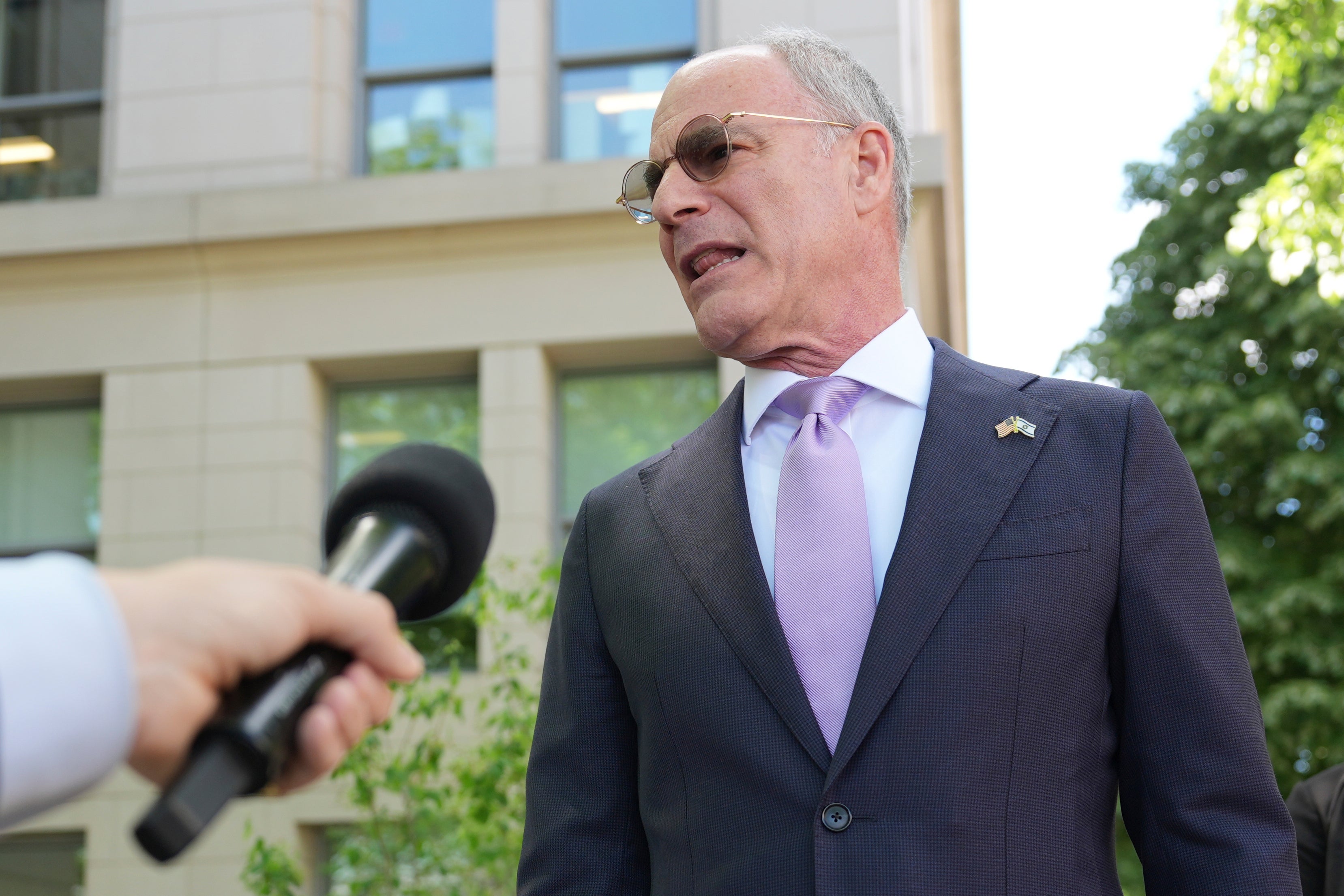 Israeli Ambassador to the U.S. Yechiel Leiter speaks with reporters outside of the State Department in Washington (AP)
independent.co.uk
Israeli Ambassador to the U.S. Yechiel Leiter speaks with reporters outside of the State Department in Washington (AP)
independent.co.uk
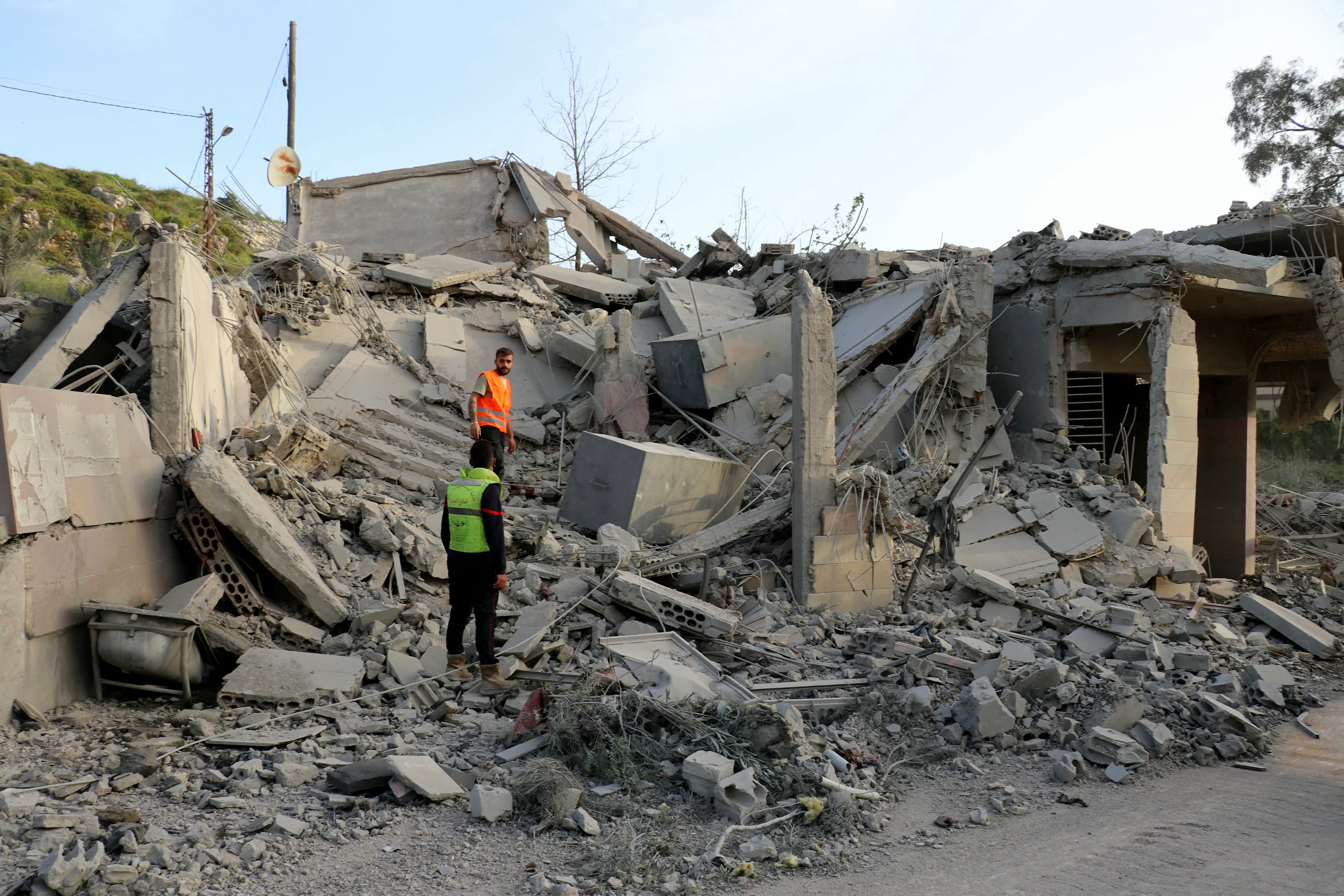 At least 2,124 people have been killed in Israeli strikes in Lebanon (AFP/Getty)
AFP/Getty
At least 2,124 people have been killed in Israeli strikes in Lebanon (AFP/Getty)
AFP/Getty
Two-hour direct talks between Israel and Lebanon in Washington produced warm words and no agreement, as Hezbollah signalled its rejection with a fresh barrage of rockets and drones into northern Israel.
According to The Independent, the meeting on Tuesday was the first direct diplomatic contact between the two countries in decades, organised by the Trump administration and hosted at the US State Department. Secretary of State Marco Rubio called it a “historic opportunity” but cautioned that the parties were working against “decades of history and complexities” and that no quick breakthrough was expected.
Israel’s ambassador to the US, Yechiel Leiter, described the exchange as “wonderful” and said he saw “convergence of opinion” around reducing Hezbollah’s influence in Lebanon. He framed the moment as a window created by Iran’s weakened position and by Hezbollah’s losses, arguing that Lebanon’s government had signalled it no longer wanted to be “occupied” by the militia. The Lebanese delegation, led by ambassador Nada Hamadeh Moawad, did not publicly match that optimism after the meeting, The Independent reports.
The absence of Hezbollah from the talks is not a technicality; it is the central constraint. Hezbollah has long positioned itself as both a military actor and a veto-holder over Lebanese security decisions, and it has publicly opposed direct engagement with Israel. The Independent notes that Wafiq Safa, a senior Hezbollah figure, said the group would not abide by any agreements reached in Washington.
That threat matters because the talks are taking place amid an active war on Lebanese territory. Lebanon’s health ministry has reported at least 2,124 deaths from Israeli strikes, including hundreds of women and children, and more than one million displaced people. Israel has also sent ground forces into southern Lebanon, with Israeli officials describing an objective of creating a “security zone” up to the Litani River. Israel’s defence minister has said hundreds of thousands of displaced residents would not be allowed to return until the area is demilitarised and Israel believes its northern communities are secure.
On the day of the Washington meeting, air-raid sirens sounded repeatedly in Israeli border communities, and Hezbollah claimed 24 attacks against northern Israel and Israeli troops in southern Lebanon. The choreography was hard to miss: diplomats spoke of “frameworks” in Washington while rockets and drones set the day’s tempo on the border.
The talks ended after two hours, and the war continued within the hour.