
Trump attacks Pope Leo after Iran war criticism
AI Jesus image posted then deleted amid conservative backlash, Vatican keeps flying while Washington keeps posting
Images
 Pope Leo says he will continue to speak out against war despite Trump insults – video
theguardian.com
Pope Leo says he will continue to speak out against war despite Trump insults – video
theguardian.com
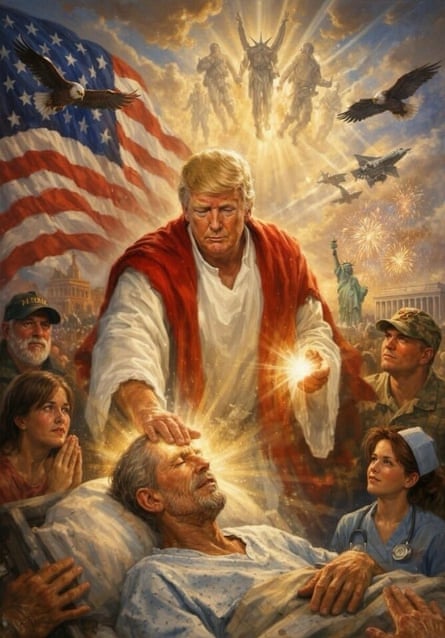 An AI-generated illustration of Trump as Jesus. Illustration: Truth Social
theguardian.com
An AI-generated illustration of Trump as Jesus. Illustration: Truth Social
theguardian.com
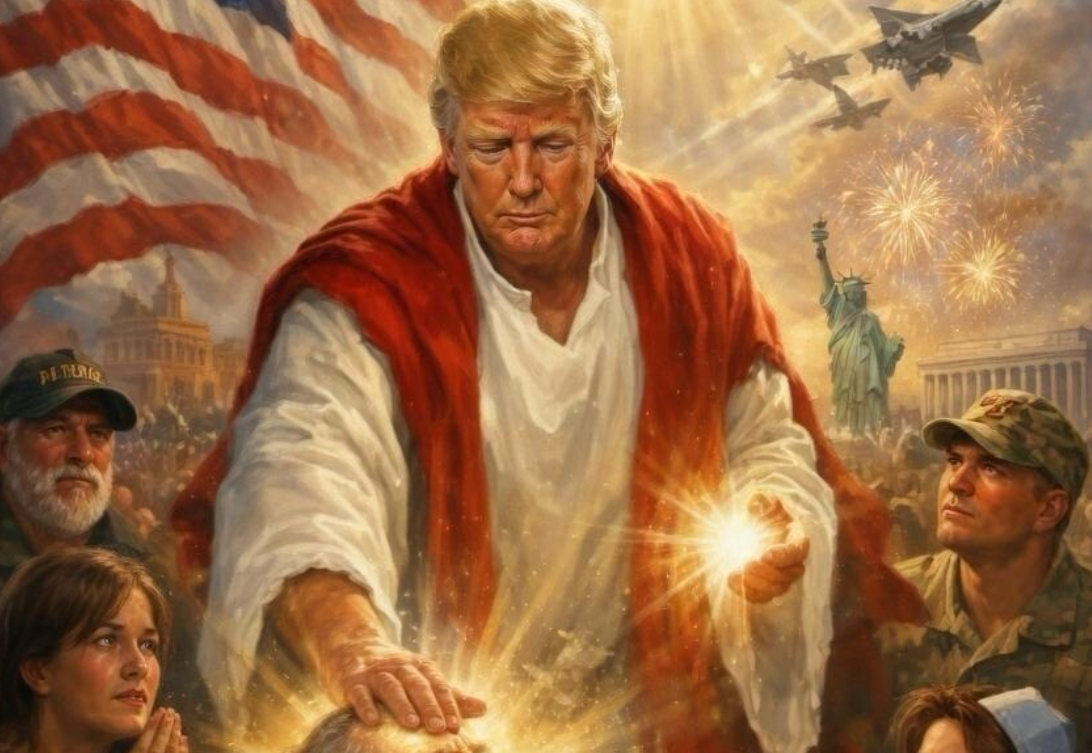 The US president posted an image of himself dressed as Jesus during the same Truth Social blast that saw him tearing into Pope Leo XIV (@realDonaldTrump/Truth Social)
@realDonaldTrump/Truth Social
The US president posted an image of himself dressed as Jesus during the same Truth Social blast that saw him tearing into Pope Leo XIV (@realDonaldTrump/Truth Social)
@realDonaldTrump/Truth Social
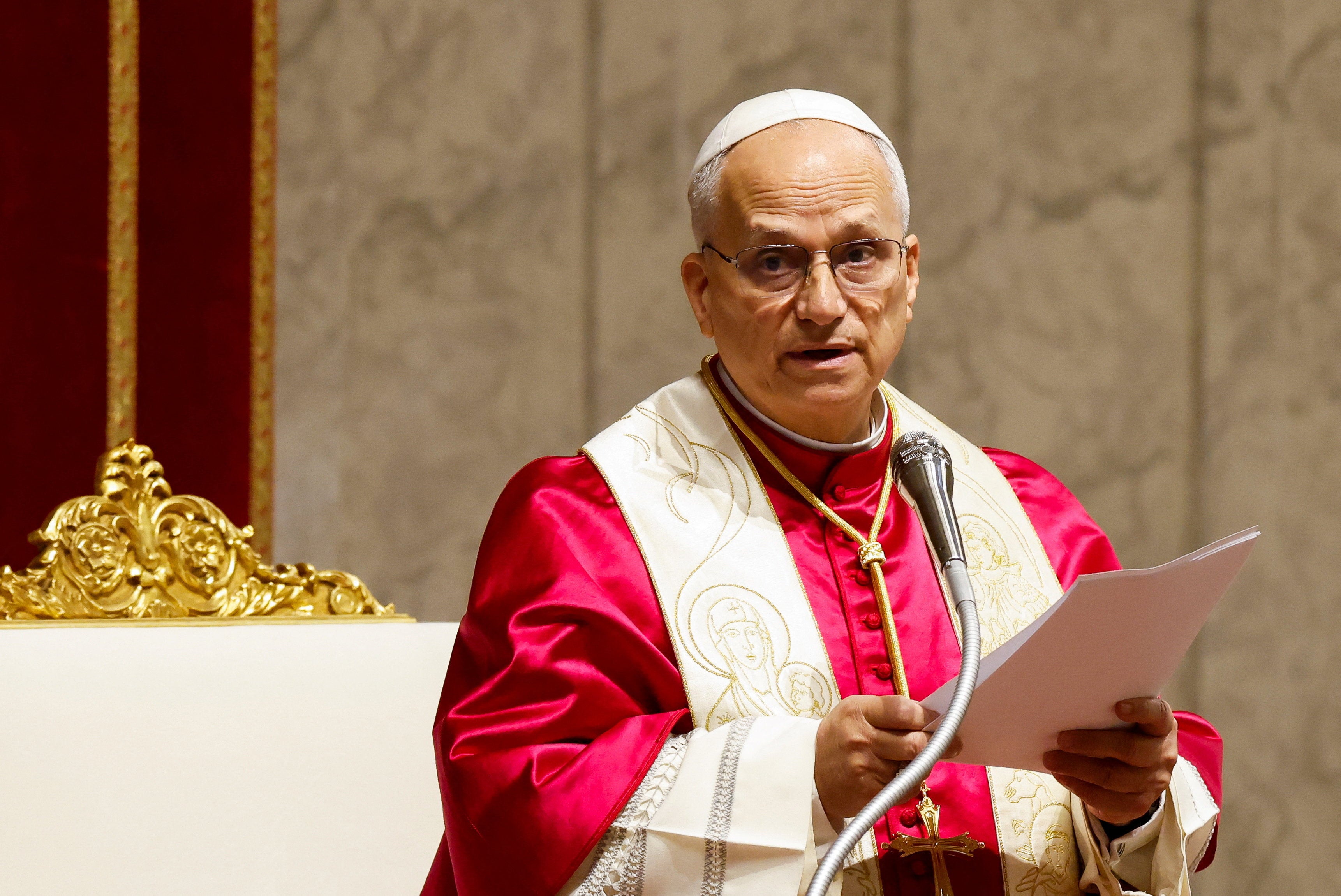 The Pope says a ‘delusion of omnipotence’ is fuelling the war between the US and Iran (Reuters)
Reuters
The Pope says a ‘delusion of omnipotence’ is fuelling the war between the US and Iran (Reuters)
Reuters
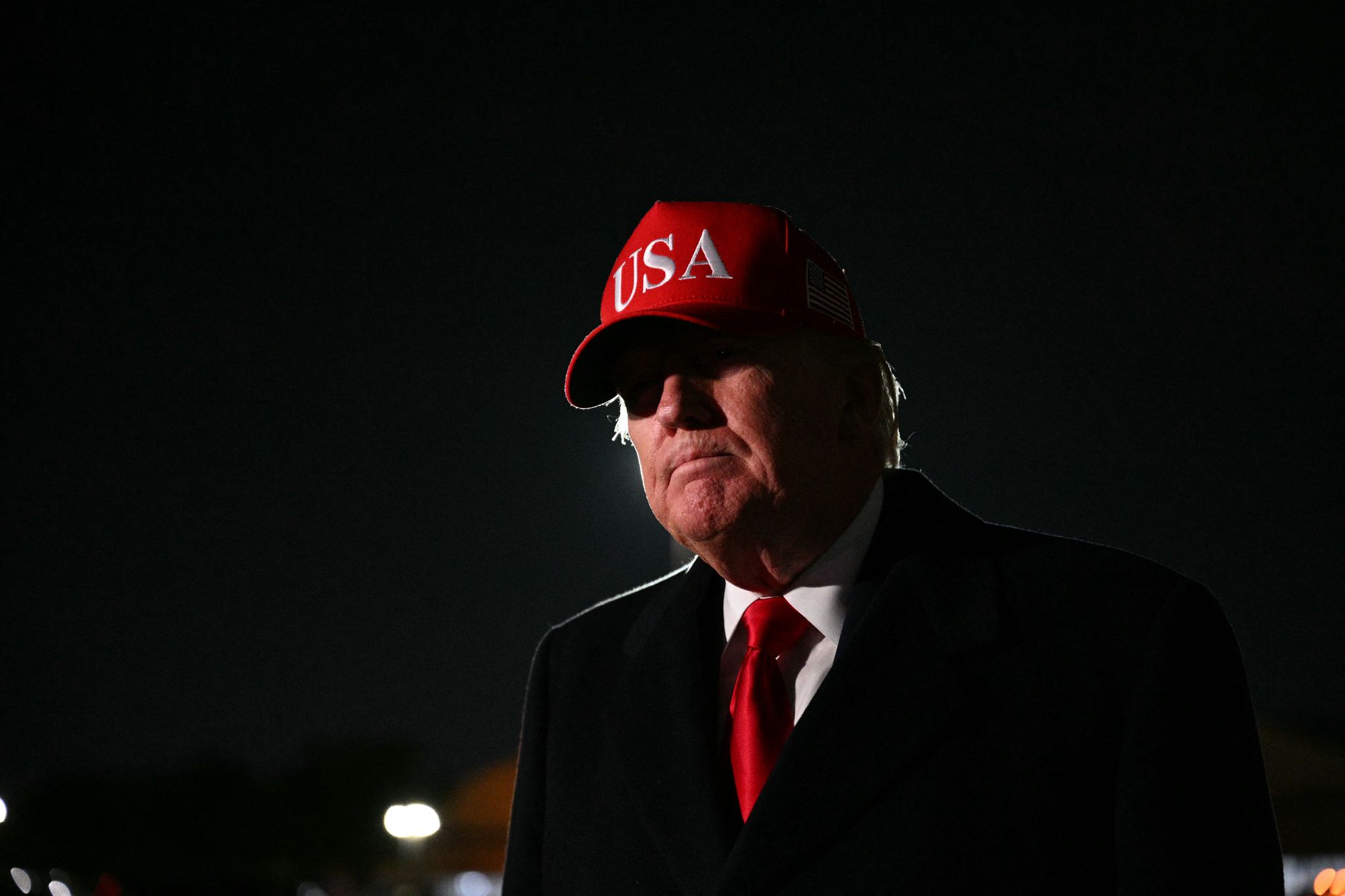 Trump suggested that Leo XIV was chosen because ‘they thought that would be the best way to deal with President Donald J Trump’ (AFP/Getty)
AFP/Getty
Trump suggested that Leo XIV was chosen because ‘they thought that would be the best way to deal with President Donald J Trump’ (AFP/Getty)
AFP/Getty
President Donald Trump escalated his dispute with Pope Leo on Sunday and Monday after the pontiff criticised the logic of the US-led war with Iran. According to The Guardian, Trump called the Chicago-born pope “weak” and urged him to stop “catering to the radical left,” after Leo warned that a “delusion of omnipotence” was fuelling the conflict.
The clash moved from rhetoric to imagery when Trump posted an AI-generated picture of himself as a Jesus-like figure healing a sick man, a post he later deleted after backlash from some of his own religious supporters. The Independent reported that even Rep. Marjorie Taylor Greene, a prominent pro-Trump figure, publicly denounced the image.
The immediate trigger was Leo’s remarks during a prayer service in St Peter’s Basilica, delivered as US and Iranian officials held face-to-face talks in Pakistan under a fragile ceasefire. Leo did not name Trump, but spoke of leaders who treat war as a demonstration of power and warned against turning religious language into a justification for escalation. Trump responded by framing the pope’s comments as permissive toward an Iranian nuclear weapon—an interpretation Leo did not make in the excerpts reported.
The episode highlights a recurring tension inside US politics: presidents can invoke faith as a source of legitimacy, but churches retain their own institutional authority and international constituencies. When those authorities dissent, the White House has few levers beyond public pressure—especially when the Vatican’s influence is moral and diplomatic rather than legislative.
Leo, speaking to reporters aboard a papal flight to Algiers at the start of an Africa tour, said he did not fear the Trump administration and would continue to speak against war, while avoiding a direct political debate. US bishops defended him as a religious leader “who speaks from the truth of the gospel,” according to The Guardian, and Italian politicians across party lines criticised Trump’s remarks.
Iran’s president Masoud Pezeshkian also weighed in, condemning Trump’s insult to the pope and calling the Jesus image a desecration, as quoted by The Guardian—an intervention that lets Tehran present itself as a defender of religious respect while it fights a war whose consequences are measured in fuel prices and shipping risk.
Trump’s post argued that Leo’s election was, in effect, a Vatican tactic to “deal with” a US president, and suggested the pope should be grateful. It was a political claim about a religious process, made in the middle of a military and economic confrontation where both sides are trying to define who gets to speak for “peace.”
On Monday, the pope’s message remained unchanged: “blessed are the peacemakers,” he said, before boarding the plane out of Rome.