
IVF genetic testing firms face class-action lawsuits in New Jersey
Patients say PGT-A accuracy claims led to embryos being discarded, expensive add-on medicine meets low-visibility validation
Images
 In 2024, more than 100,000 babies were born through IVF (Getty Images)
Getty Images
In 2024, more than 100,000 babies were born through IVF (Getty Images)
Getty Images
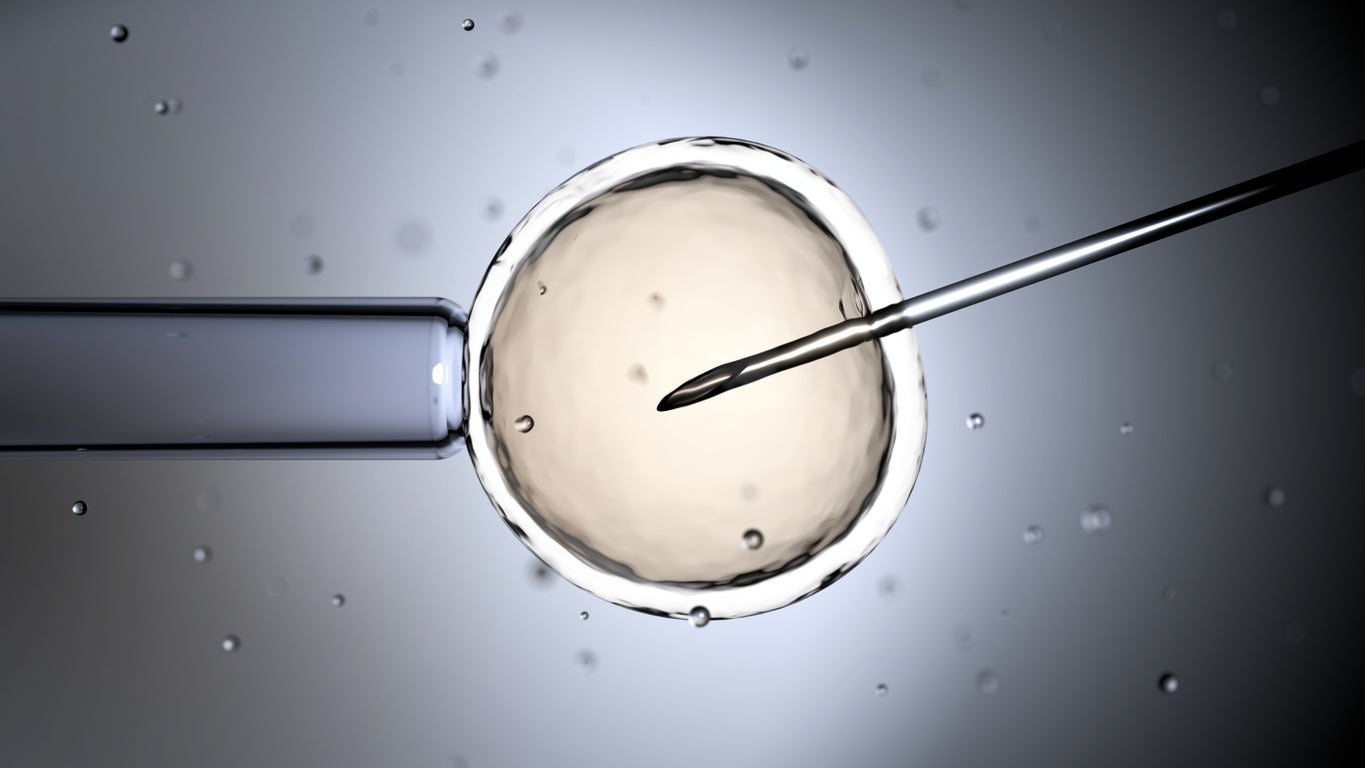 IVF patients are alleging they were misled about a type of genetic testing by two New Jersey companies, according to a series of lawsuits (Getty Images)
Getty Images
IVF patients are alleging they were misled about a type of genetic testing by two New Jersey companies, according to a series of lawsuits (Getty Images)
Getty Images
IVF genetic testing faces new lawsuits in New Jersey, patients say PGT-A results led to embryos being discarded, a pricey add-on thrives despite disputed accuracy
Two New Jersey genetic-testing firms that sell embryo screening services to IVF clinics are facing class-action lawsuits from patients who say they were sold an accuracy story the science could not support. The suits target Genomic Prediction and CooperGenomics over preimplantation genetic testing for aneuploidy, or PGT-A, which is marketed as a way to identify embryos with extra or missing chromosomes and reduce miscarriage risk.
According to The Independent, plaintiffs allege the companies promoted PGT-A using claims about accuracy and improved IVF outcomes that were not adequately validated in clinical research. The complaints cite advertised accuracy figures in the high 90s, while arguing the real-world error rates are higher—raising the possibility that embryos labelled “abnormal” and discarded may in fact have been viable. One plaintiff, Maureen Ewing, told NJ.com that she destroyed embryos after receiving abnormal results and later questioned whether those decisions were based on reliable information.
PGT-A is typically an out-of-pocket expense, often costing thousands of dollars and rarely covered by insurance. That pricing matters because IVF already concentrates decision-making under stress: patients are paying large sums, time is limited, and each cycle produces a small number of embryos. In that setting, a test that promises to reduce uncertainty becomes easy to upsell, and hard to refuse, even when its limitations are technical and probabilistic rather than binary.
The lawsuits also underline how embryo testing sits in a regulatory gap between laboratory medicine and consumer marketing. Patients do not usually buy PGT-A directly; they encounter it through fertility clinics that bundle lab services into treatment plans. That creates a long supply chain of incentives: clinics can advertise higher success rates, labs can sell more tests per cycle, and patients bear most of the financial and emotional downside if the screening is oversold.
Genomic Prediction said it is committed to “accurate, evidence-based information” and declined further comment because of ongoing litigation, The Independent reports. CooperGenomics did not respond to the outlet’s request.
The cases are seeking damages and jury trials. The disputed numbers, however, are already concrete: for each embryo, a single report can decide whether it is frozen, transferred—or thrown away.