
Adam Back denies being Satoshi Nakamoto
New York Times attribution attempt relies on language analysis and timeline gaps, bitcoin’s founder myth collides with public-company finance
Images
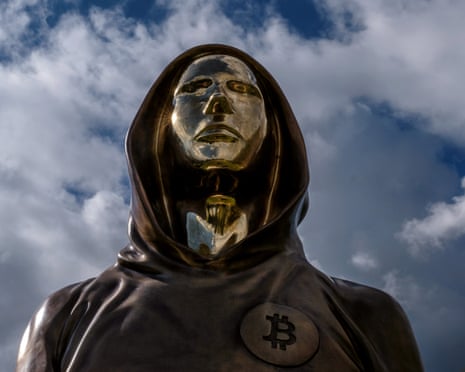 A statue to honour the bitcoin developer – with anonymised facial features – was unveiled in Graphisoft Park, Budapest, in 2021. Photograph: János Kummer/Getty Images
theguardian.com
A statue to honour the bitcoin developer – with anonymised facial features – was unveiled in Graphisoft Park, Budapest, in 2021. Photograph: János Kummer/Getty Images
theguardian.com
A New York Times report naming London-born computer scientist Adam Back as the likely creator of bitcoin has triggered an immediate public denial, reviving a long-running industry obsession with the identity of “Satoshi Nakamoto” and the wealth and power that could attach to the name.
According to the Guardian, Back responded on X that he is not Satoshi and that he does not know who Satoshi is. He argued that the continued uncertainty benefits bitcoin by keeping it framed as an asset class rather than a founder-led project. The Times story, written by investigative reporter John Carreyrou, is described as the latest attempt to match the author of the 2008 bitcoin white paper to a real-world figure by comparing writing style, posting timelines and technical interests.
The case against Back is built largely from circumstantial overlaps. Carreyrou reportedly traced Back’s early participation in the 1990s “cypherpunk” cryptography scene, then compared archival forum posts and emails to Nakamoto’s writing, including recurring phrases and offhand remarks. The article also points to a gap in Back’s public online activity around the period when Nakamoto appeared and later disappeared. Carreyrou also used AI-based language analysis to compare the two writing styles, a technique that itself reflects the new reality of automated attribution tools.
None of this is the kind of evidence that would move a court, but it is the kind that moves markets, reputations and regulators. Bitcoin’s origin story is a practical governance problem: one early wallet associated with Nakamoto is widely believed to hold roughly one million coins, a stash large enough to matter for liquidity and perception even if it never moves. A credible identification would also reshape how institutions talk about bitcoin’s decentralisation—whether it is a protocol that escaped its creator, or a project whose creator simply chose to vanish.
The current round of speculation also lands at an awkward moment for Back’s business interests. The Guardian notes that Back runs a bitcoin treasury firm that is merging with a publicly traded company created by Cantor Fitzgerald. That kind of corporate structure depends on predictable disclosure norms and on counterparties being comfortable with who is in charge. Even an unproven “Satoshi” label can become a compliance headache: counterparties start asking whether a founder’s personal holdings, legal exposure, or past communications could create hidden risks.
The Times report’s most theatrical moment—Carreyrou confronting Back at a bitcoin conference in El Salvador and interpreting his reaction as a “tell”—highlights the limits of this genre of reporting. Experts quoted by the Guardian were split: one academic said there was no “smoking gun” and suggested Hal Finney remained the more plausible candidate, while another argued Satoshi was likely a small group rather than a single person.
Back has denied the claim; the bitcoin network itself does not care who Satoshi was. The only coins that can settle the question are the ones that have never been spent.