
Senegal doubles maximum sentence for same-sex acts
Burkina Faso and Uganda tighten penalties across region, public health outreach becomes collateral under promotion bans
Images
 Brutal threats … the laws springing up over the continent have an outsized impact on allies as well as those within the community. Photograph: AP
theguardian.com
Brutal threats … the laws springing up over the continent have an outsized impact on allies as well as those within the community. Photograph: AP
theguardian.com
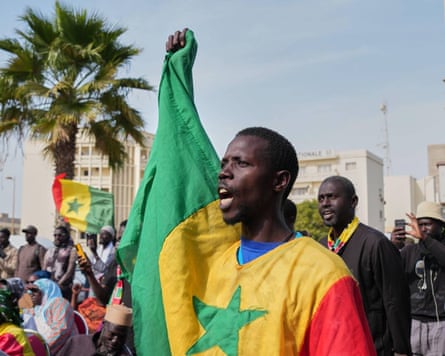 Elevated risk … a protester chants anti-gay slogans during a demonstration against homosexuality in Dakar. Photograph: Associated Press/Alamy
theguardian.com
Elevated risk … a protester chants anti-gay slogans during a demonstration against homosexuality in Dakar. Photograph: Associated Press/Alamy
theguardian.com
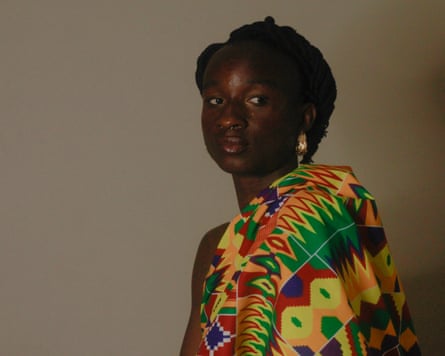 Systematic repression … activist and archivist awo dufie fofie. Photograph: Baahwa
theguardian.com
Systematic repression … activist and archivist awo dufie fofie. Photograph: Baahwa
theguardian.com
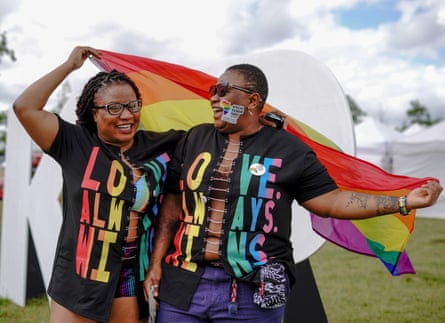 Expressive freedom … ‘promotion’ of homosexuality or being ‘out’ is discussed in the bill. Photograph: Lucy North/PA
theguardian.com
Expressive freedom … ‘promotion’ of homosexuality or being ‘out’ is discussed in the bill. Photograph: Lucy North/PA
theguardian.com
Senegal’s president Bassirou Diomaye Faye signed a law last month doubling the maximum prison sentence for same-sex acts to 10 years and banning financial support for or “promotion” of homosexuality, according to the Guardian. In Burkina Faso, interim president Ibrahim Traoré signed provisions in 2024 criminalising “homosexual acts” with prison terms of two to five years and fines, while Uganda’s 2023 law introduced the death penalty for “aggravated homosexuality.”
The new bills are often presented as a defence against foreign influence, but many of the legal tools being tightened are older than the current culture war. The Guardian notes that several countries’ restrictions are rooted in colonial-era criminalisation, with politicians now updating penalties, adding speech and association offences, and expanding who can be punished. Ghana’s proposed Human Sexual Rights and Family Values Bill, revived after an earlier version expired without presidential assent, would go further by placing a legal duty on professionals—teachers, journalists, parents and religious leaders—to “protect family values,” turning private beliefs into a compliance problem for employers, schools and newsrooms.
The political upside is straightforward. In countries facing inflation, unemployment and weak public services, a morality bill offers a cheap way to signal action and force opponents onto defensive ground. The costs are harder to quantify but more predictable: broader “promotion” clauses make it risky to provide health information, run support groups, or fund community clinics that serve stigmatised populations. The Guardian describes how allies and service providers are pulled into the blast radius, not just those targeted directly.
External actors still matter, but not always in the way campaign slogans suggest. The Guardian reports that foreign lobbying groups have pushed for more draconian legislation, while local activists argue that queer identities are not a Western import. At the same time, reliance on international donors for parts of public health infrastructure means that when governments criminalise outreach, they can effectively reroute or choke off services without formally shutting clinics.
The result is a feedback loop: governments pass laws that raise the reputational and legal risk of serving LGBTQ+ communities; NGOs struggle to operate; health outcomes worsen; officials cite “social cohesion” and “national values” while basic service delivery remains unchanged.
In Senegal, the new penalties were signed as arrests under “acts against nature” charges were already making headlines. The statute book now offers prosecutors a longer sentence and a wider net.