
Oil swings as Trump sets Hormuz deadline
Brent briefly tops $111 and insurers price the Gulf like a war zone, even a deal leaves months-long LNG restart
Images
 bbc.com
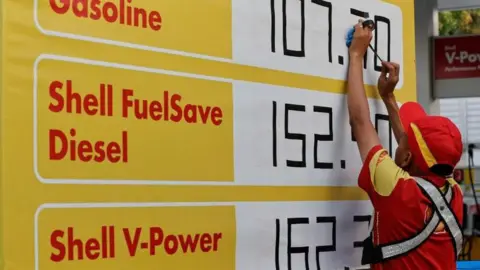 EPA A worker at a Shell petrol station uses tape to change figures of fuel prices displayed on a board
bbc.com
EPA A worker at a Shell petrol station uses tape to change figures of fuel prices displayed on a board
bbc.com
Brent crude briefly traded above $111 a barrel on Tuesday before easing back toward $107 as markets braced for a White House deadline on the Strait of Hormuz, according to the BBC. President Donald Trump has told Iran it must reopen the shipping lane by 20:00 in Washington on Tuesday, warning that failure would bring strikes on Iranian infrastructure.
The price action is not just a bet on whether tankers can physically pass the narrow waterway. It is a live estimate of how much coercion can substitute for insurance and how quickly energy logistics can be restored once they are disrupted. The BBC notes that while some ships have still transited Hormuz in recent weeks, volumes are far below normal, and war-risk premiums have surged. Even if a political agreement materialises, W1M fund manager Tineke Frikkee told the BBC that the economic “benefits” arrive late: oil already at sea takes time to reach buyers, and liquefied natural gas facilities that have been shut down may take three to four months to restart.
That lag matters because the conflict has turned the Gulf into a pricing problem for banks, refiners and shipping firms, not just a military one. Rystad Energy’s Ye Lin told the BBC traders are trying to judge whether Trump is genuinely seeking a deal or using negotiations to mask preparation for a larger attack. In parallel, the UK has convened military planners and partners from more than 30 countries to discuss how the strait could be secured “once the conflict is over” and plans another meeting, the BBC reports. The framing underscores a basic constraint: navies can escort vessels, but they cannot instantly rebuild confidence in contracts, cargo schedules, and the willingness of insurers to underwrite them.
Asian importers are already adapting in the way commodity-dependent states typically do under pressure: by cutting bilateral arrangements. The BBC reports that some Asian countries have made deals with Iran to get ships through, reflecting how access becomes rationed when risk is priced per voyage. At the same time, JPMorgan chief executive Jamie Dimon warned that higher energy prices could feed global inflation and keep interest rates higher for longer.
Around a fifth of the world’s oil and gas normally moves through Hormuz. On Tuesday, that reality was expressed less in speeches than in a crude chart that jumped above $111 and then drifted back as the clock ran down.