
Airlines cancel flights as jet fuel spikes
United warns weaker carriers may not survive, war risk and TSA payroll chaos squeeze a business built on thin margins
Images
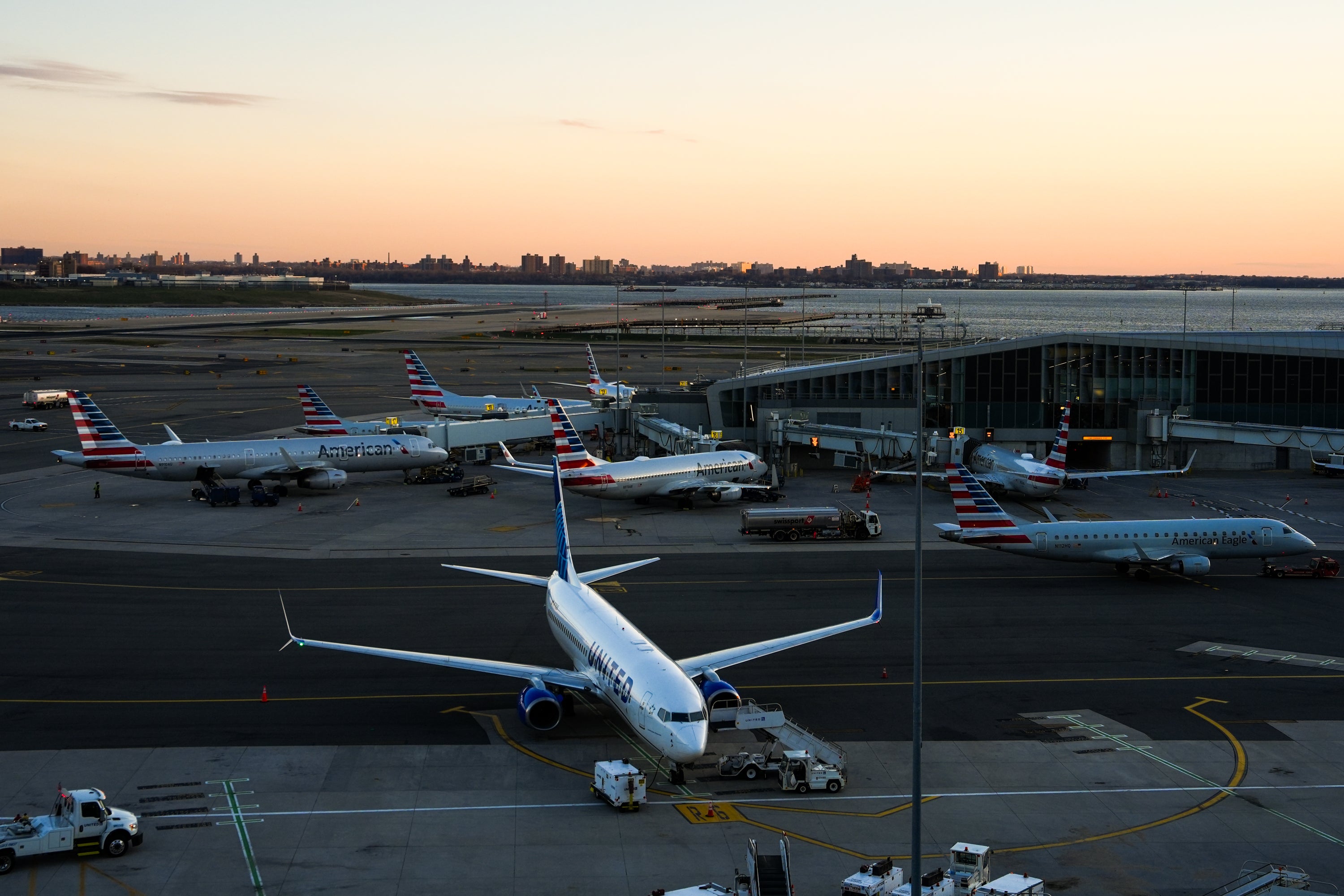 Rising fuel prices could cost airlines billions, and some companies might 'not survive,' industry leaders have warned (Getty Images)
Getty Images
Rising fuel prices could cost airlines billions, and some companies might 'not survive,' industry leaders have warned (Getty Images)
Getty Images
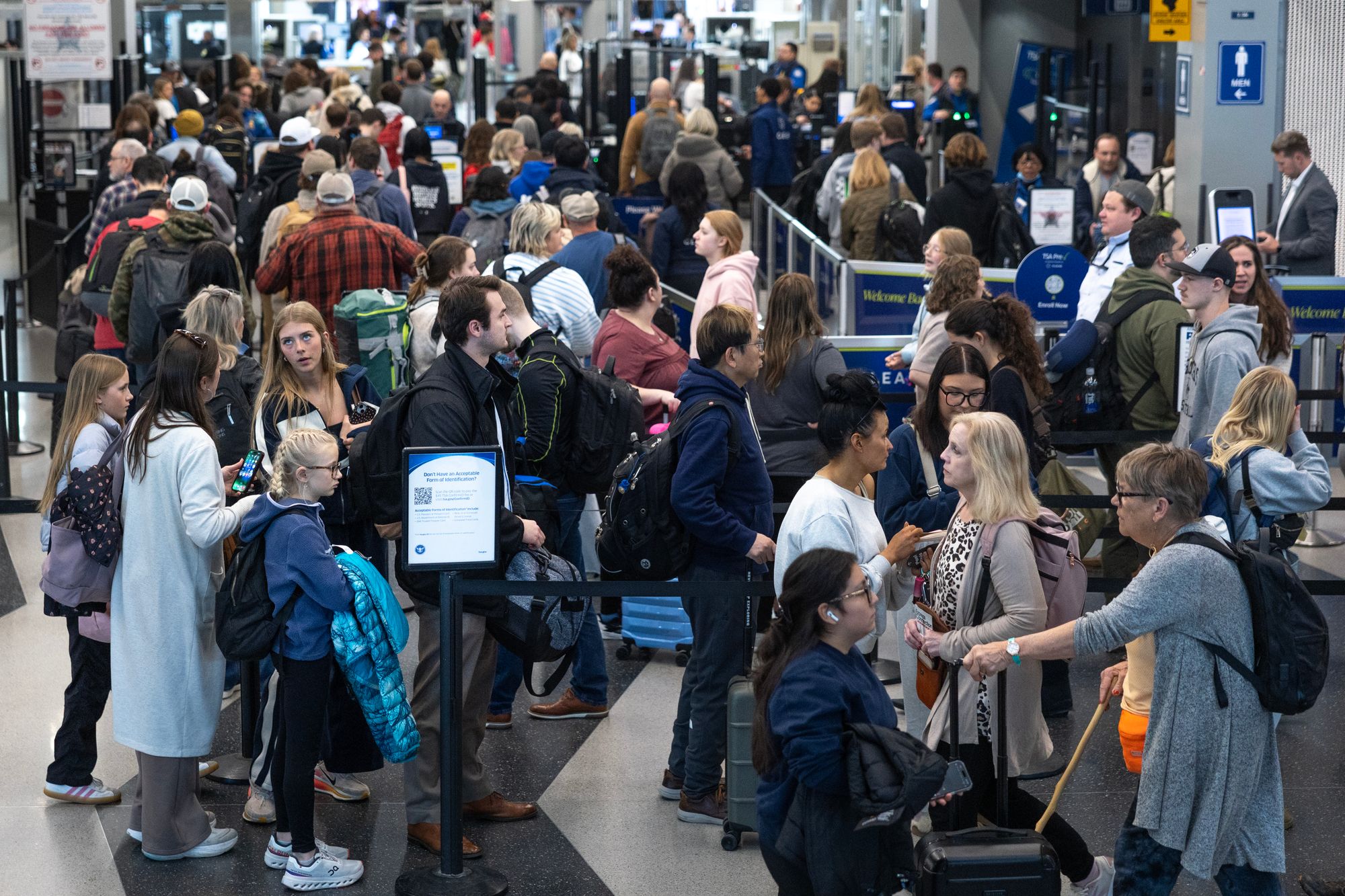 The DHS shutdown has led to chaos at airports nationwide (Getty)
Getty
The DHS shutdown has led to chaos at airports nationwide (Getty)
Getty
Airlines cut flights as jet fuel jumps on Iran war, United warns weaker carriers may not survive, shutdown-hit TSA payroll turns queues into another cost
United Airlines and several overseas carriers have begun cancelling flights as jet fuel prices surge and supplies tighten amid the sixth week of the US–Israeli war with Iran. Business Insider reports airlines are trimming schedules in response to shortages and rising spot prices, while The Independent cites United chief executive Scott Kirby warning that some competitors may “not survive” if crude climbs toward levels discussed in the market.
The immediate arithmetic is brutal. Kirby told staff that jet fuel prices have more than doubled in three weeks and that, if sustained, the increase would add roughly $11bn to United’s annual fuel bill—more than twice what the airline earned in its best year, according to the memo quoted by The Independent. Airlines can hedge, but hedges roll off; when the underlying market reprices quickly, carriers either pay up, cut capacity, or try to push the increase into fares.
That pass-through is already being signposted. Kirby told ABC News that ticket prices could rise about 20% as airlines reprice routes to reflect fuel costs, the Independent reports. Budget airlines, which sell low fares by running high utilisation on thin margins, have less room to absorb a sudden input shock, University of Central Florida hospitality professor Alan Fyall told the Los Angeles Times in comments relayed by The Independent. In practice, the carriers with the weakest balance sheets end up shrinking first, giving pricing power back to the larger networks.
The fuel squeeze is not just about crude benchmarks. The Guardian’s reporting on energy logistics during the conflict has highlighted how insurance and credit become bottlenecks when the Strait of Hormuz is threatened and cargoes are repeatedly rerouted. Jet fuel is refined and distributed through a chain of contracts and financing; when underwriters raise rates or banks tighten letters of credit, physical supply can become scarce even before refineries run short. Airlines then compete for prompt deliveries at major hubs, and marginal routes are the first to be cut.
US domestic operations face a second constraint that has nothing to do with oil: the Department of Homeland Security shutdown. The Independent notes that TSA staffing shortages have produced hours-long security lines, and that this is the third DHS shutdown in less than six months. President Donald Trump has ordered DHS to begin paying TSA agents again, with paychecks expected to resume quickly, but former TSA agent Caleb Harmon-Marshall told the Associated Press that short-term fixes may not be enough to stabilise staffing.
For passengers, the combined effect is mundane but expensive: fewer flights, higher fares, and longer time costs at airports. For airlines, it is a reminder that the industry’s “cheap ticket” model depends on two things staying predictable—fuel and the state’s ability to keep basic transport systems staffed.
United’s CEO put the warning in a single comparison: an $11bn fuel hit against less than $5bn of profit in the company’s best year.