
Pepsi drops Wireless Festival sponsorship
Political backlash over Kanye West booking raises entry-ban pressure, corporate branding risk outruns music programming
Images
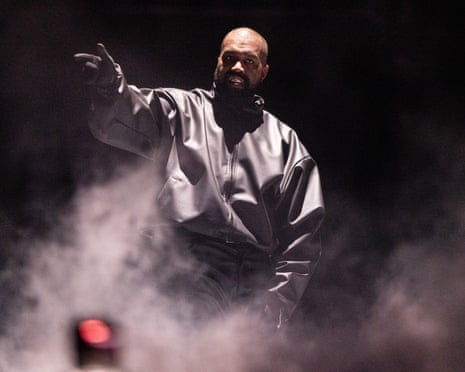 West performing in California in 2024. He apologised in January for his antisemitic remarks in a letter published as a full-page advert in the Wall Street Journal. Photograph: Scott Dudelson/Getty Images
theguardian.com
West performing in California in 2024. He apologised in January for his antisemitic remarks in a letter published as a full-page advert in the Wall Street Journal. Photograph: Scott Dudelson/Getty Images
theguardian.com
Pepsi has withdrawn its sponsorship of London’s Wireless Festival after a political and media backlash over the booking of Kanye West, the Guardian reports. The festival, scheduled for July in Finsbury Park, had announced West—also known as Ye—as headliner for all three nights. UK prime minister Keir Starmer called the booking “deeply concerning,” while campaigners urged the government to bar the artist from entering the country.
The immediate trigger is reputational risk, not ticket sales. Wireless is a consumer-facing event; Pepsi is a consumer-facing brand; neither can treat controversy as a private matter once it becomes a national political talking point. Sponsors buy association, not just visibility, and association becomes toxic when the story stops being “festival lineup” and turns into “whether the Home Secretary should exclude the performer.” The Guardian notes that West has faced condemnation for praising Adolf Hitler and for releasing a song titled “Heil Hitler,” and that he has made antisemitic remarks in recent years. That history provides a ready-made frame for opponents to argue that his presence is “not conducive to the public good,” the UK’s long-standing discretionary test for exclusion.
The festival’s own incentives run in the opposite direction. Booking a global name for three nights concentrates marketing into a single, high-impact headline and can lift demand across the whole weekend. But it also concentrates downside: if the headliner becomes politically indefensible or administratively blocked, the event’s credibility with fans, local authorities and insurers can unravel at once. The Guardian reports “serious doubts” about whether the festival will go ahead, underscoring how sponsorship and permitting are intertwined. A sponsor’s exit does not automatically cancel an event, but it changes the financial and political equation for everyone else involved.
The episode also illustrates how modern content disputes are increasingly mediated through corporate relationships rather than direct censorship. The state may never need to issue a ban if the commercial scaffolding—sponsors, venues, partners—withdraws first. Conversely, when politicians intervene publicly, they raise the cost of neutrality for companies that would otherwise prefer to stay out of cultural fights.
For now, the concrete development is simple: Pepsi has walked away, and West has reportedly not yet applied to travel to Britain. The festival’s headline act is still advertised, but the risk has shifted from the stage to the border.