
US says it rescues second F-15E crew member downed over Iran
Trump hails deep-penetration operation after three-day search, hostage leverage grows with every shootdown
Images
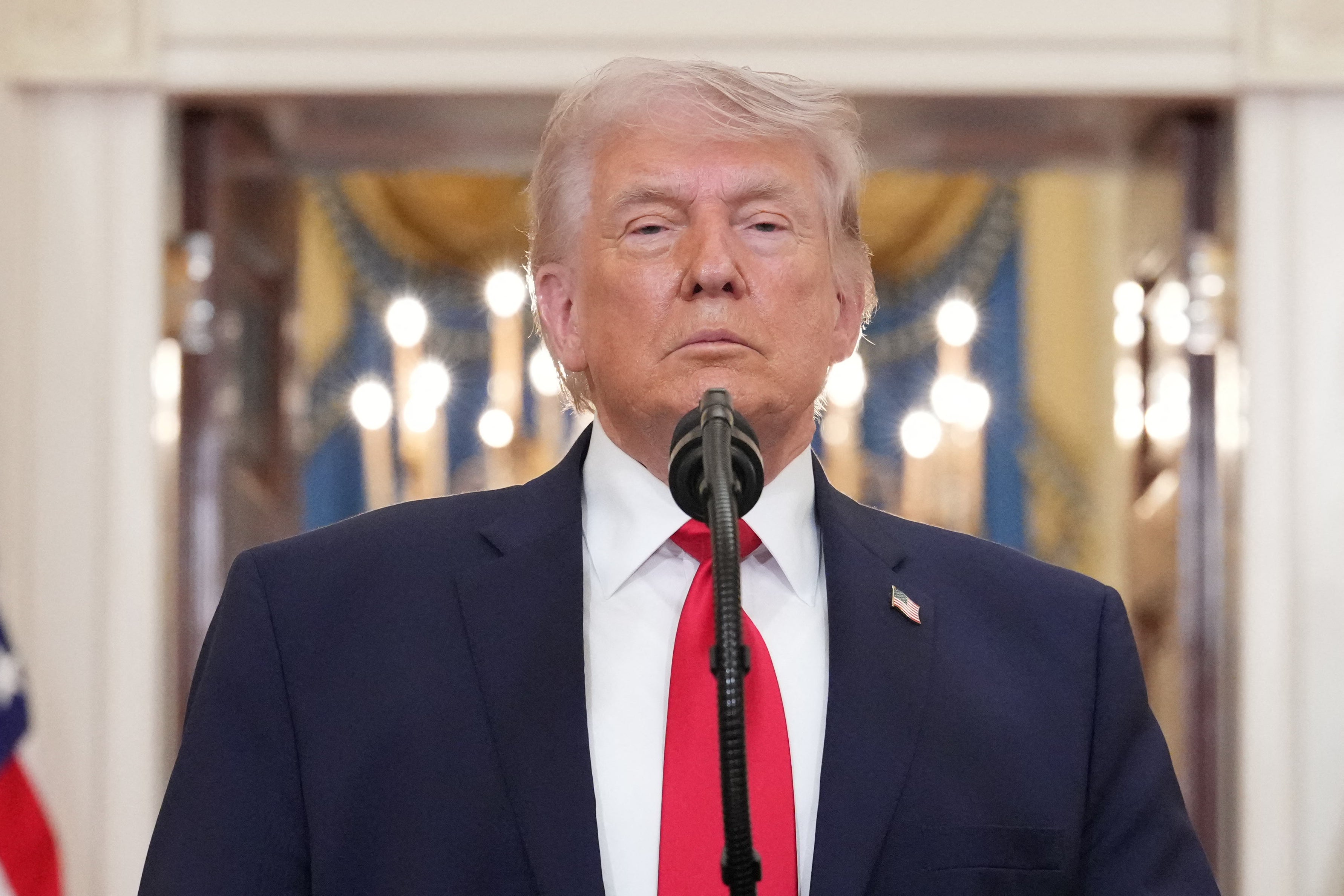 A missing U.S. service member who was shot down in Iran has been rescued, Donald Trump has announced (POOL/AFP via Getty Images)
POOL/AFP via Getty Images
A missing U.S. service member who was shot down in Iran has been rescued, Donald Trump has announced (POOL/AFP via Getty Images)
POOL/AFP via Getty Images
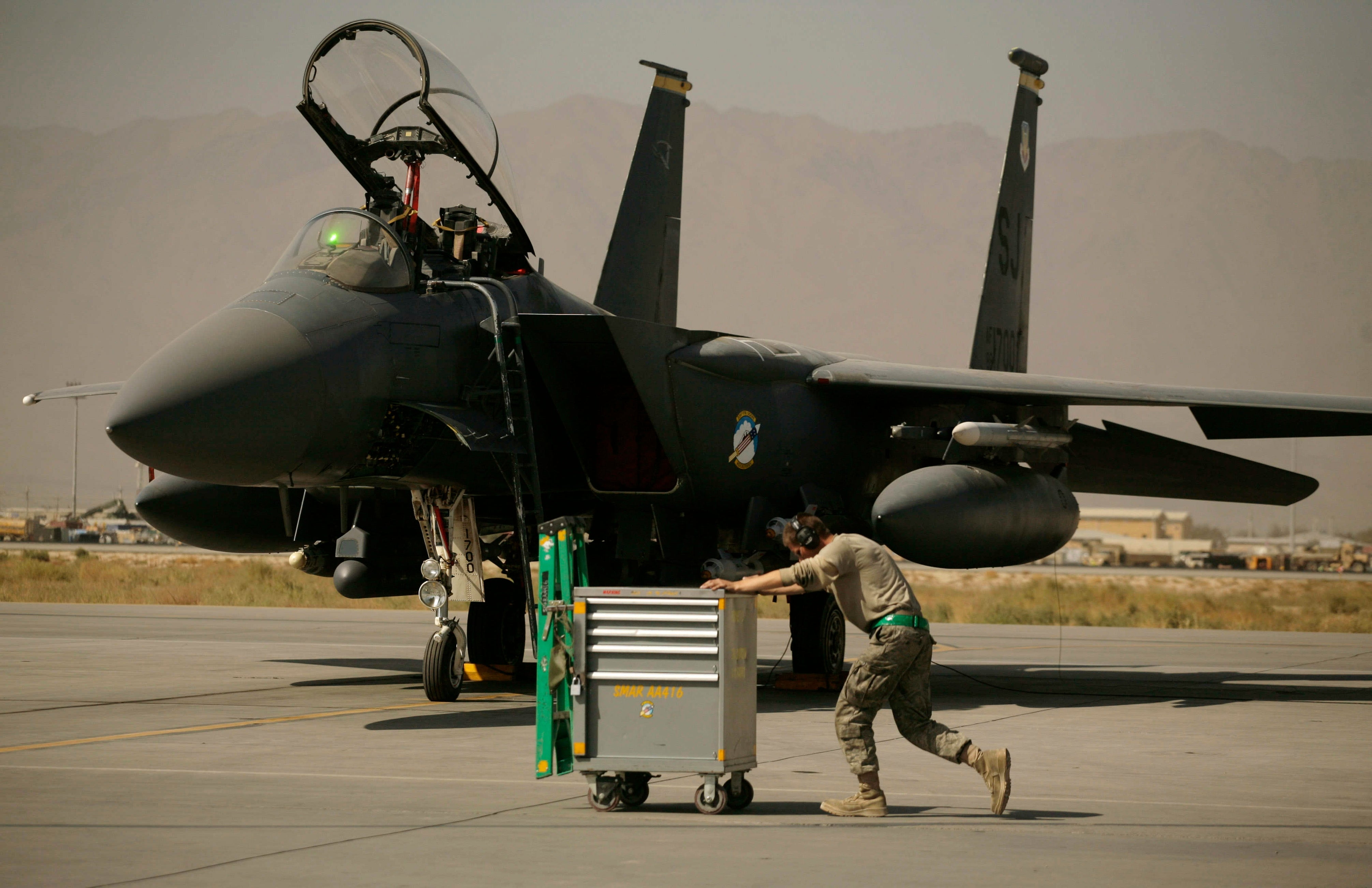 The desperate race to find the F-15 crew member, a weapons system officer, had been ongoing for almost three days after the aircraft was shot down Friday while undertaking military operations in Iran. The pilot of the aircraft was successfully rescued Friday (AP)
independent.co.uk
The desperate race to find the F-15 crew member, a weapons system officer, had been ongoing for almost three days after the aircraft was shot down Friday while undertaking military operations in Iran. The pilot of the aircraft was successfully rescued Friday (AP)
independent.co.uk
A second member of the crew of a US F-15E shot down over Iran has been rescued after nearly three days on the ground, President Donald Trump said in a late-night post on Truth Social.
According to The Independent, the missing airman was a weapons systems officer and a colonel; the pilot was recovered earlier. Iranian state television had announced a bounty for information leading to the airman’s capture, while the White House kept public comments to a minimum during the search.
The rescue claim matters less as a morale vignette than as a glimpse of how far the war has already expanded. A downed aircrew is not recovered by rhetoric: it requires aircraft to hold airspace, tankers to keep them there, electronic warfare to blind radars, and helicopters that must cross terrain where any small-arms fire can turn into a political crisis. The Independent reports that during Friday’s earlier pickup, Iranian fire hit a US helicopter carrying the first rescued pilot and wounded personnel; an A-10 that joined the mission also took fire, and its pilot ejected over the Persian Gulf and was recovered.
Trump framed the back-to-back extractions as proof of “overwhelming Air Dominance” over Iran. But the same details point to something more prosaic: if helicopters are taking hits and fixed-wing aircraft are ejecting, the air picture is contested enough that each recovery becomes a bespoke operation with real attrition risk. That risk is asymmetric. For Washington, a captured aviator is instantly a hostage with a name, a face, and a news cycle; for Tehran, even a single prisoner can be leverage in any future ceasefire or sanctions bargaining.
The episode also shows why wars that begin with long-range strikes tend to accumulate close-in missions. Once aircraft are flying daily sorties, the probability of a shootdown rises; once a shootdown happens, political pressure to “bring them home” produces deep-penetration rescues; once those rescues require massed air cover, the conflict’s footprint grows again. The Independent notes that 13 US service members have been killed since the fighting began on February 28, a tally that turns each additional incident into a test of whether escalation is being managed or merely narrated.
The rescue, if confirmed in fuller operational detail, will be remembered in Washington as a success.
It will also be remembered in Tehran as another instance of US aircraft and special operations forces operating inside Iranian territory without a negotiated channel to retrieve the next one.