
Cuba announces release of more than 2000 prisoners
Negotiations with Washington intersect with fuel crisis and sanctions choreography, deported Cubans end up stranded in Tapachula without paperwork
Images
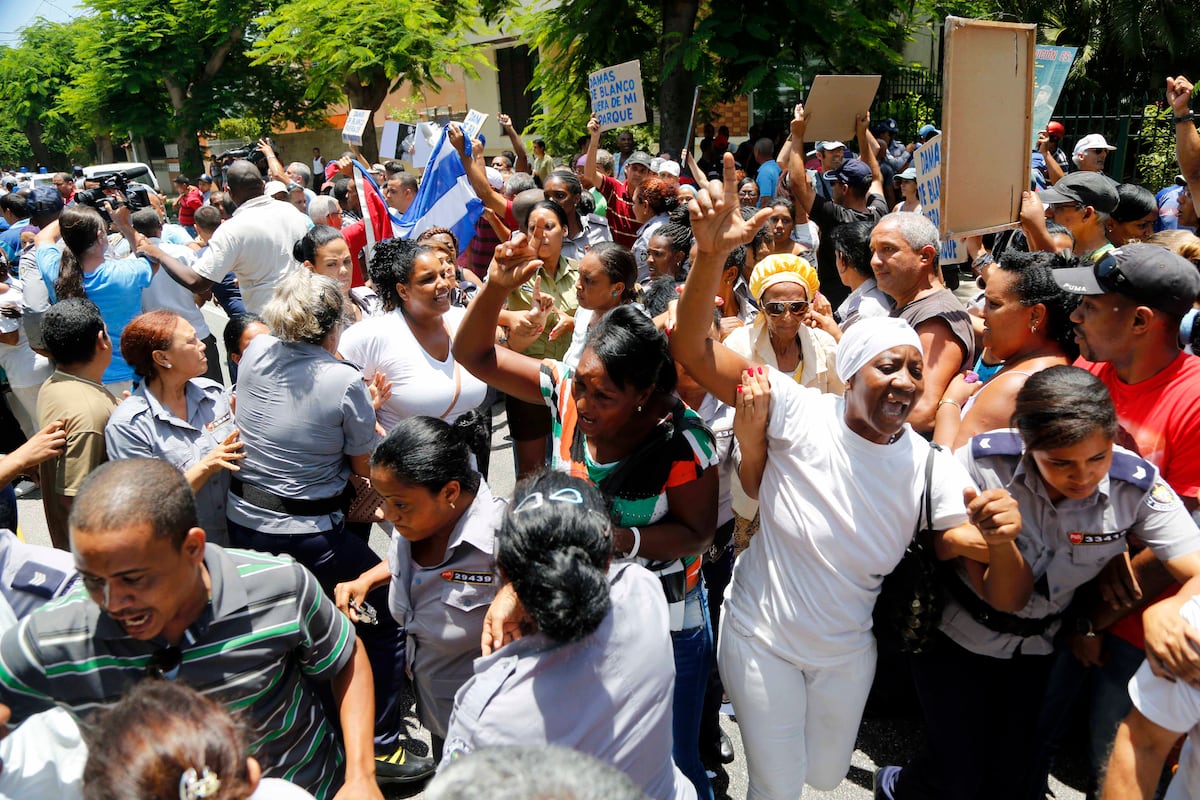 Cuba announces release of over 2,000 prisoners as a ‘humanitarian and sovereign gesture’
english.elpais.com
Cuba announces release of over 2,000 prisoners as a ‘humanitarian and sovereign gesture’
english.elpais.com
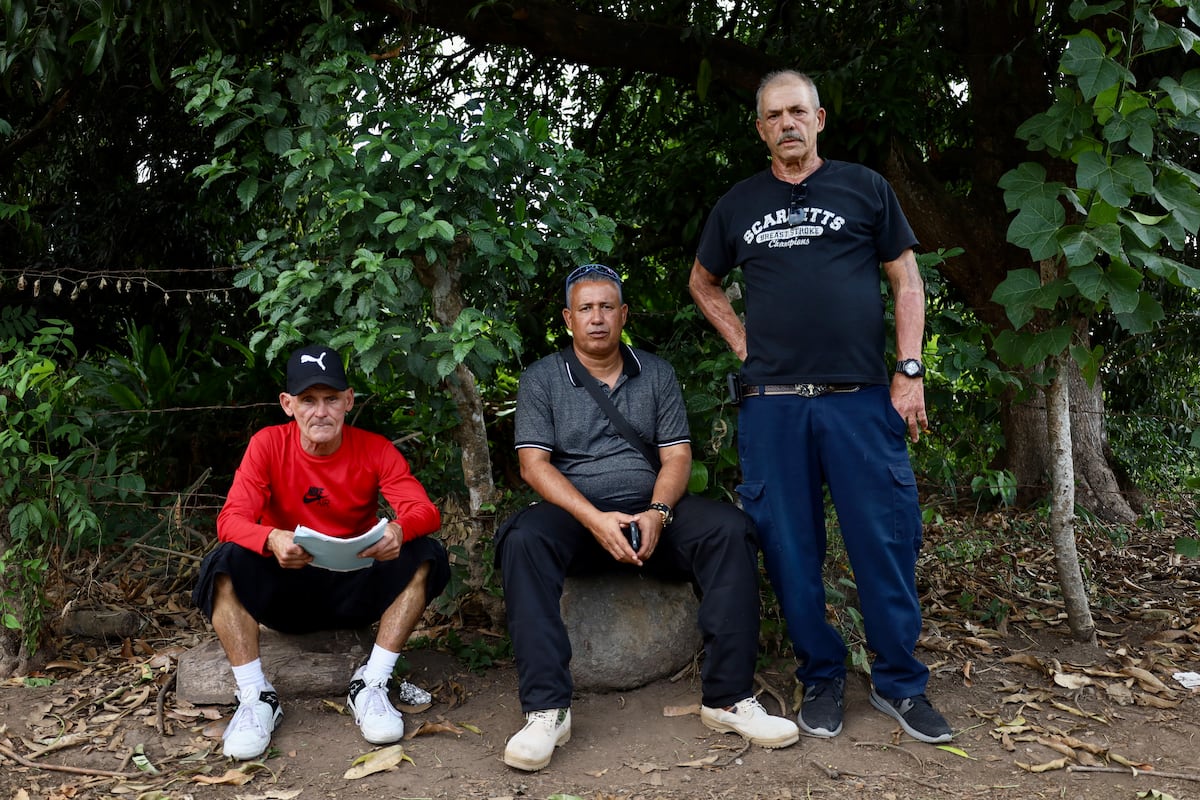 The tired faces of Cuban deportees to Mexico: ‘I’m already old, I don’t want to die here’
english.elpais.com
The tired faces of Cuban deportees to Mexico: ‘I’m already old, I don’t want to die here’
english.elpais.com
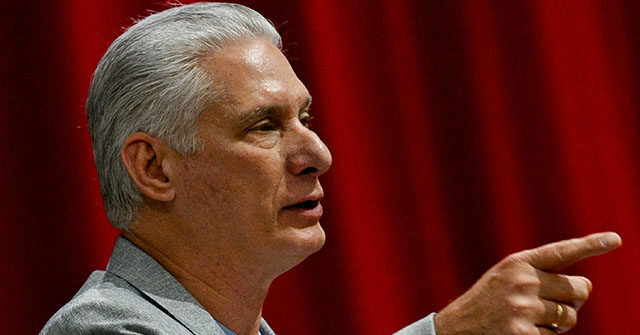 Human Rights Groups: Cuba Has Not Freed a Single Political Prisoner
breitbart.com
Human Rights Groups: Cuba Has Not Freed a Single Political Prisoner
breitbart.com
More than 2,010 Cuban prisoners are to be released under a government “humanitarian and sovereign” gesture announced in the state newspaper Granma, a move that Havana has timed to negotiations with Washington as the island’s fuel and power crisis deepens. The announcement came days after a Russian tanker delivered around 100,000 tons of crude to Cuba, a shipment the White House described as permitted on humanitarian grounds rather than a sanctions shift, according to El País.
The release is being sold as clemency for “young people, women, adults over 60,” foreigners and Cubans living abroad who are near the end of their sentences, but the government has not published names, a schedule, or criteria beyond vague references to “good conduct” and health. That opacity matters because Cuba’s prison system has long mixed ordinary criminal cases with political prosecutions that rely on elastic charges such as “public disorder” or “disrespect,” and because previous mass pardons have coincided with diplomatic moments, including Pope Francis’ 2015 visit.
One outside watchdog says the current release is less a political concession than an austerity measure. Javier Larrondo, head of the NGO Prisoners Defenders, told Breitbart that his network of families had not identified a single political prisoner freed and described the operation as routine “prison drainage” to reduce the cost of incarceration during a cash-and-fuel crunch. Breitbart notes that Cuba’s own statement lists categories excluded from pardons, including offences against “authority,” a label commonly used to imprison dissidents.
The prisoner announcement lands against a second, quieter consequence of the same standoff: Cubans removed from the United States are being pushed into Mexico with little legal status and few options. In Tapachula, on Mexico’s southern border, El País reports that deported Cubans—some elderly, some with decades of life in Miami—sleep in doorways, rely on informal charity, and shuffle documents in the wrong language while trying to contact families left behind. A US federal judge cited an “unwritten agreement” under which the Department of Homeland Security deported about 6,000 Cubans to Mexico in the last year, a practice that local authorities in Chiapas say arrived without warning or instructions.
Mexico’s role as a de facto “safe third country” externalises US enforcement costs southward, but it also creates a class of people Washington says it cannot send to Cuba because removal is “impractical, inadvisable, or impossible,” while Mexico has not clearly explained why Tapachula and Villahermosa are being used as receiving points. Activists are now pursuing humanitarian visas for the deportees—papers that would allow movement and work—because without them, the border city becomes a holding pen.
Cuba’s government can announce a mass release without naming the prisoners, while Cubans expelled from the US can be dropped into southern Mexico without a written agreement being publicly produced. In both cases, the paperwork is the point: whoever controls it controls who can move, who can work, and who remains stuck.