
Hasbro cyberattack forces systems offline
Shipping and order delays expose how ransomware turns into a working-capital shock, logistics paperwork becomes the real choke point
Images
 One of Hasbro’s many trademarks, Mr. Potatohead, pictured outside of the company’s Rhode Island headquarters (AP2000)
AP2000
One of Hasbro’s many trademarks, Mr. Potatohead, pictured outside of the company’s Rhode Island headquarters (AP2000)
AP2000
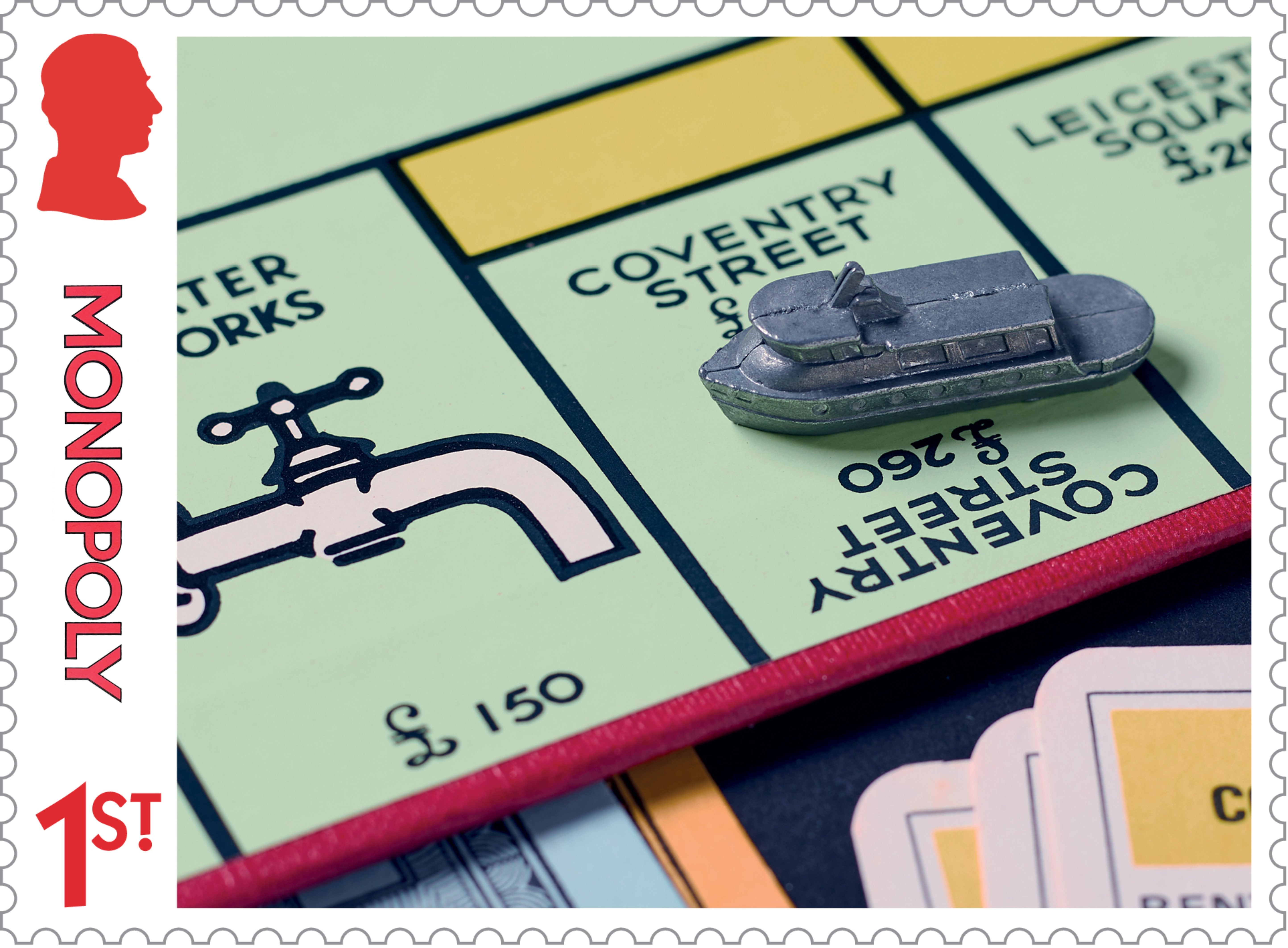 The 103-year-old company makes some of the world’s most recognizable toys and games, including Transformers, Play-Doh, Monopoly, and Dungeons & Dragons (PA)
independent.co.uk
The 103-year-old company makes some of the world’s most recognizable toys and games, including Transformers, Play-Doh, Monopoly, and Dungeons & Dragons (PA)
independent.co.uk
 Japan's largest brewer Asahi Breweries suffered a cyberattack impacting its supply chain in 2025 (AFP via Getty Images)
AFP via Getty Images
Japan's largest brewer Asahi Breweries suffered a cyberattack impacting its supply chain in 2025 (AFP via Getty Images)
AFP via Getty Images
Hasbro told US regulators it has taken parts of its network offline after discovering an “unauthorized party” in its systems on Saturday, warning that interim workarounds for orders and shipping “may continue for several weeks” and could delay deliveries. The 103-year-old Rhode Island company, whose brands include Transformers, Play-Doh, Monopoly and Dungeons & Dragons, said its investigation is ongoing and it is assessing whether customer or employee data was accessed, according to its filing cited by The Independent.
For investors, the interesting part is not the mystery of who broke in, but what had to be shut down to contain it. Modern manufacturing and distribution runs on a small set of tightly coupled systems—warehouse management, order processing, electronic data interchange (EDI) with retailers, and carrier booking—where a controlled outage can become indistinguishable from a physical disruption. When those links go dark, pallets do not get picked, trucks do not get scheduled, and invoices do not go out; the immediate problem becomes working capital and vendor relationships, not “IT”.
That is why cyber incidents increasingly behave like short-term credit events. Retailers and logistics partners are paid when confirmed shipments and reconciled purchase orders flow through the pipes; if the pipes stop, cash conversion cycles stretch and inventory piles up in the wrong place. The costs then migrate into overtime, expedited freight, manual reconciliation, penalties for missed delivery windows, and the quiet erosion of preferred-supplier status. In many cases, the largest bill is written by the response process itself: what can be restored without contaminating backups, what must be reported to insurers, and what third parties will accept as “good enough” documentation to keep goods moving.
The playbook is familiar. The Independent points to a 2025 cyberattack on Jaguar Land Rover that triggered an IT shutdown and a five-week global manufacturing pause, followed by a nearly $2 billion emergency government bailout. Another 2025 attack on Asahi disrupted its order and delivery systems and left shelves short of its Super Dry lager. These episodes share a pattern: the attackers do not need to destroy factories to stop production; they only need to break the systems that coordinate inventory, schedules and payments.
Hasbro has not attributed the attack or disclosed whether ransomware is involved. But by warning that operational workarounds could last for weeks, the company is effectively telling the market that its bottleneck is process integrity—rebuilding trust in data and transactions—rather than hardware. For a consumer goods company with seasonal demand spikes and retailer-driven delivery calendars, that is where delays become expensive.
Hasbro’s filing describes a company that can still make toys but may struggle to prove, quickly and at scale, which orders should ship where and on what terms. The first missed truck slot tends to be cheaper than the last.