
Russia pushes MAX messenger nationwide
State services and network disruptions steer users from WhatsApp and Telegram, adoption stalls on surveillance fears and missing trust
Images
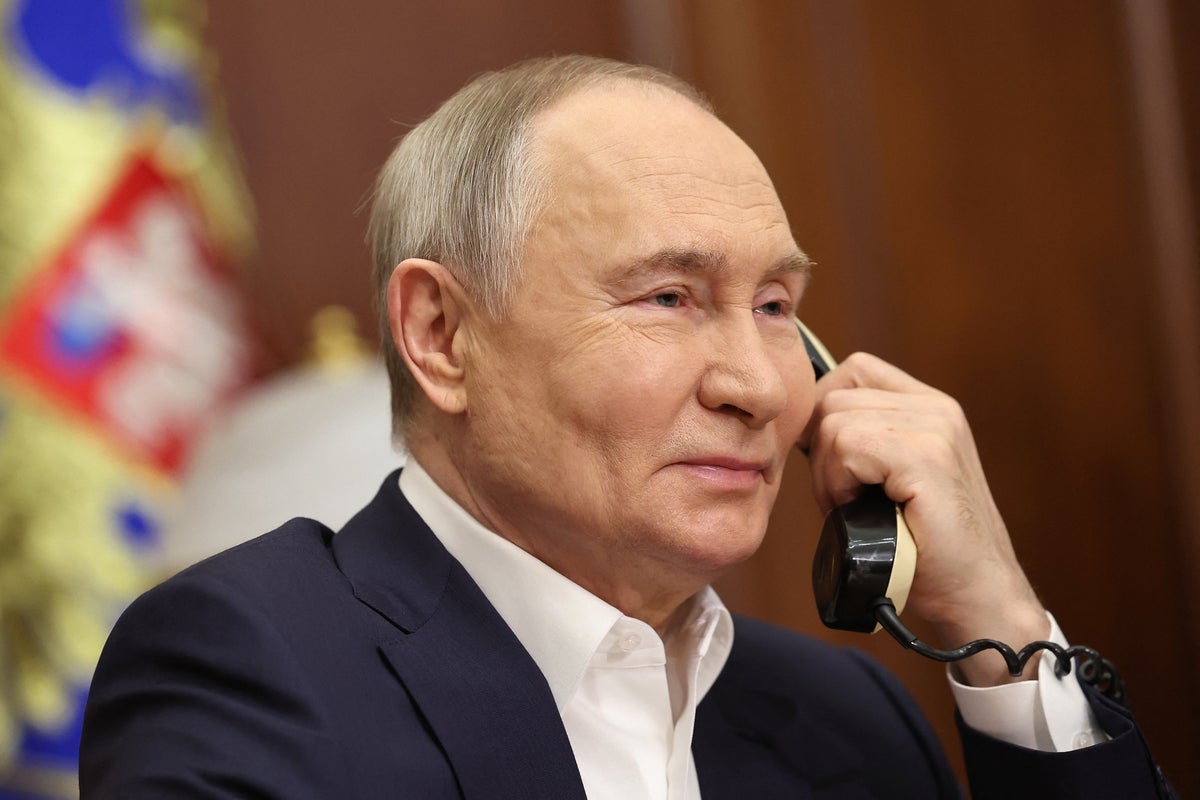 The Kremlin wants Russians to use its state-backed messaging service. Users are wary
independent.co.uk
The Kremlin wants Russians to use its state-backed messaging service. Users are wary
independent.co.uk
Russia’s largest social network operator VK is promoting a state-backed messaging app called MAX as a “national messenger” while authorities tighten their grip on mobile communications in Moscow and other cities.
According to The Independent, which cites Reuters reporting from Moscow, users say MAX is being pushed as rival services such as WhatsApp and Telegram face intermittent blocking, jamming and wider disruptions. One musician, Irina Matveeva, told Reuters she installed MAX to keep in touch with students but tries to use it as little as possible. Another user said she was forced to download it after the state services portal Gosuslugi required a confirmation code to be delivered through the app.
The Kremlin’s argument is security: Russian officials say foreign messaging platforms have been penetrated by hostile intelligence services, and that a domestic alternative is needed as part of a “sovereign internet” strategy. But the same reporting shows the core obstacle is not technical capability; it is trust. Opposition activists quoted by Reuters say security services can access MAX user data and that automated analysis is used to identify potential “threats” and map public sentiment. In that environment, the feature set that makes a messenger useful—centralised identity, reliable delivery, integration with government services—also makes it a convenient channel for monitoring.
MAX’s ownership structure compounds suspicion. The Independent reports that MAX is owned by VK, and that VK’s boss is the son of a senior aide to President Vladimir Putin. VK did not respond to a request for comment from Reuters, but has publicly claimed rapid growth, saying on March 26 that MAX had added 107 million users since launch and was used internationally.
The episode highlights a coordination problem that states run into when they try to replace private networks with official ones. Governments can order ministries, schools and municipal services to switch, and can route essential functions through a preferred platform, as Gosuslugi appears to be doing. What they cannot decree is the social graph: people keep the app where their friends, clients and family already are, and they discount a new platform when the perceived cost of using it includes being legible to the security apparatus.
Even supporters of the idea frame their choice as political rather than practical. One user told Reuters he was happy to back a domestic messenger and used MAX “without concern”; others said they asked their inner circle not to download it.
In Reuters’ account, one reluctant user kept MAX installed “in case everything else is shut down.” The contingency plan is already the product.