
US lifts sanctions on Delcy Rodríguez
OFAC delisting follows Maduro capture and de facto recognition shift, Venezuela’s politics now run through compliance databases
Images
 bnonews.com
 bnonews.com
 bnonews.com
 bnonews.com
 bnonews.com
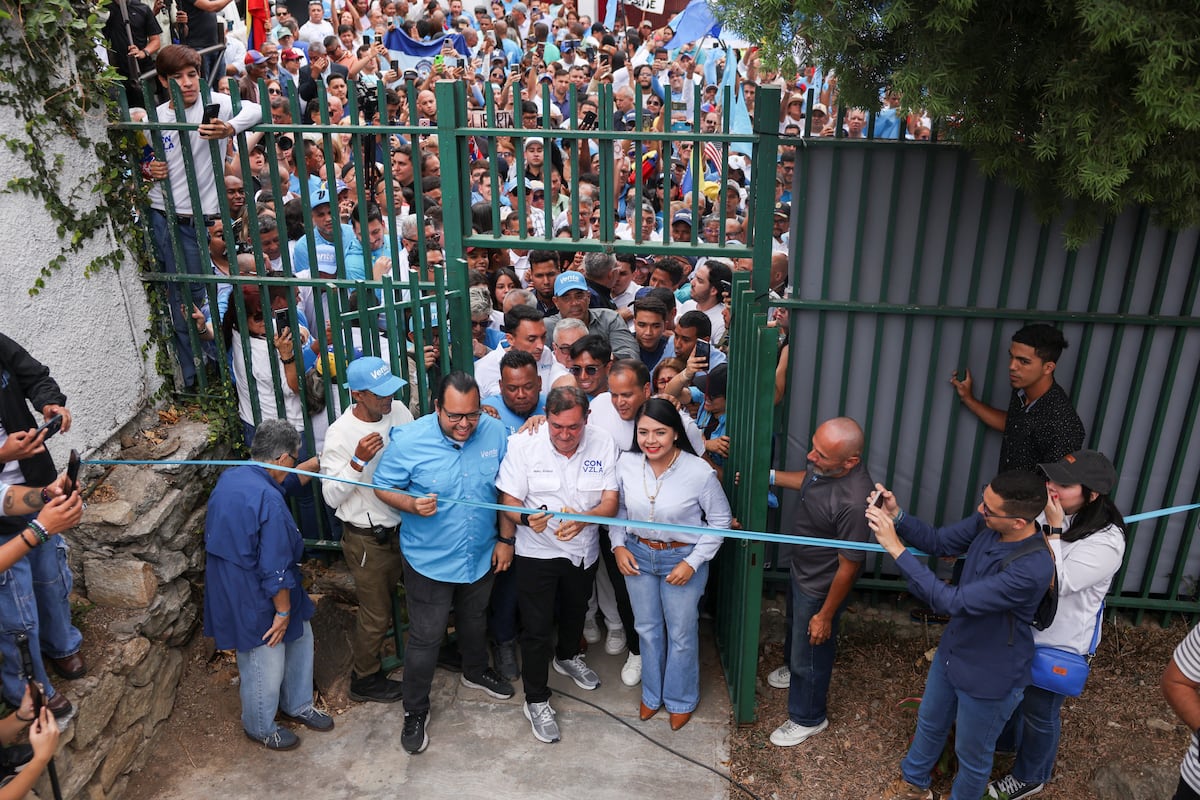 Revitalized opposition returns to the streets in Venezuela
english.elpais.com
Revitalized opposition returns to the streets in Venezuela
english.elpais.com
The US Treasury has removed Venezuela’s interim president Delcy Rodríguez from its sanctions blacklist, a change posted by the Office of Foreign Assets Control this week. The move follows Washington’s January 3 operation in Caracas that, according to the Associated Press as cited by BNO News, captured Nicolás Maduro and his wife Cilia Flores and left Rodríguez as the US-recognised authority.
Sanctions were supposed to be a wall: a way to freeze access to dollars, banking channels and counterparties until a regime changes behaviour. In practice they behave more like a valve. Being on the OFAC list does not merely restrict an individual’s travel; it deters banks from touching transactions, scares off insurers, and makes routine corporate compliance departments treat an entire network as radioactive. Being removed reverses that logic overnight: US firms can sign, pay, insure and litigate with less fear that a payment will be blocked or that a counterparty will become a liability.
That matters in Venezuela because the country’s remaining hard-currency lifelines run through oil trading, shipping and intermediated finance. A delisted Rodríguez can engage more openly with US companies and investors, BNO reports, and can do so while Washington still keeps other sanctions in place as leverage. The result is not a clean “normalisation” but a selective reopening: access can be granted to the people who can deliver specific assets and withheld from those who cannot. In a system built around control of state companies and export flows, recognition becomes a tradable commodity.
Inside Venezuela, the political opposition is moving as if the rules have changed but not disappeared. El País reports that parties grouped in the Unitary Platform are returning to local organising after 18 months of repression, reopening offices, touring regional strongholds and pressing for early presidential elections. Their events, the paper notes, are deliberately smaller and organisational—rebuilding membership lists, measuring morale, and testing what the security apparatus will tolerate—rather than betting everything on mass rallies.
The two tracks intersect. A government that is being granted access to international channels gains resources and room to manoeuvre; an opposition that is allowed back into public life gains visibility but also becomes easier to map and manage. If sanctions are a bargaining chip, then domestic political space becomes another: opened selectively, closed again if negotiations stall.
OFAC’s update did not require a speech, a treaty or a vote in Caracas. It was a database change that makes it easier for money to move.