
Iran executes January protest detainee Amirhossein Hatami
Rights groups report surge in death sentences amid war and internet shutdowns, global focus stays on Hormuz and oil prices
Images
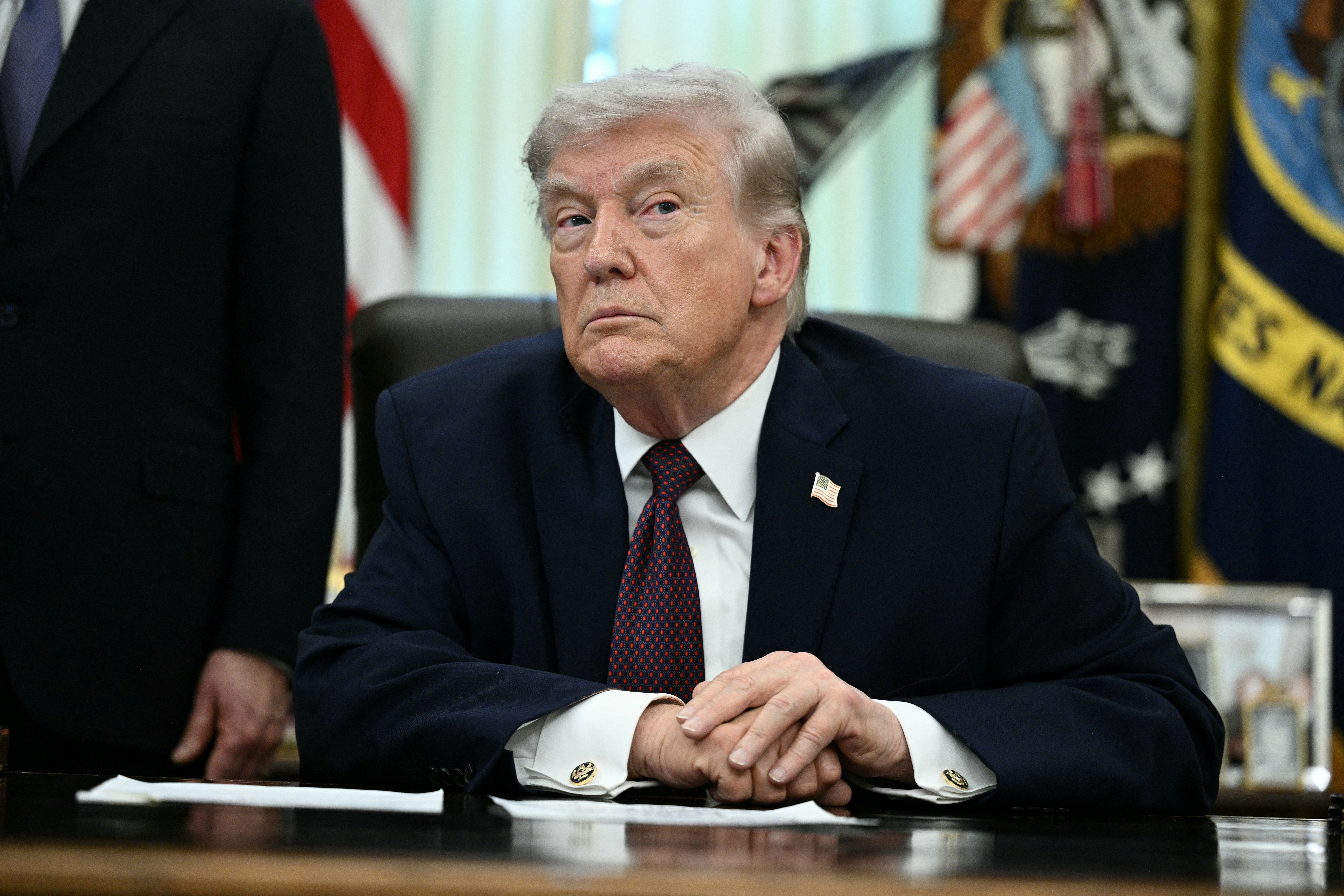 US President Donald Trump takes a question from a reporter after signing an executive order in the Oval Office of the White House in Washington, DC, on March 31, 2026. (Photo by Brendan SMIALOWSKI / AFP via Getty Images) (AFP via Getty Images)
AFP via Getty Images
US President Donald Trump takes a question from a reporter after signing an executive order in the Oval Office of the White House in Washington, DC, on March 31, 2026. (Photo by Brendan SMIALOWSKI / AFP via Getty Images) (AFP via Getty Images)
AFP via Getty Images
 Clockwise from top left: Peyvand Naimi and Shervin Bagherian Jabali, who are believed to be alive; Pouya Ghobadi, Babak Alipour and Mohammad Taghavi who were executed this week. Photograph: supplied
theguardian.com
Clockwise from top left: Peyvand Naimi and Shervin Bagherian Jabali, who are believed to be alive; Pouya Ghobadi, Babak Alipour and Mohammad Taghavi who were executed this week. Photograph: supplied
theguardian.com
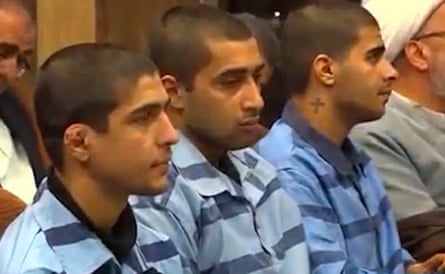 Iran’s state media released footage from Saleh Mohammadi, Mehdi Ghasemi and Saeed Davoudi’s trial. The three were executed in March. Photograph: Unpixs/Iran State Media
theguardian.com
Iran’s state media released footage from Saleh Mohammadi, Mehdi Ghasemi and Saeed Davoudi’s trial. The three were executed in March. Photograph: Unpixs/Iran State Media
theguardian.com
 It is unclear whether 18-year-old Danial Niazi’s trial has taken place. Photograph: Handout
theguardian.com
It is unclear whether 18-year-old Danial Niazi’s trial has taken place. Photograph: Handout
theguardian.com
 Peyvand Naimi has faced torture and mock executions.
theguardian.com
Peyvand Naimi has faced torture and mock executions.
theguardian.com
Iran’s judiciary announced on Thursday that Amirhossein Hatami, arrested during January’s nationwide protests, had been executed after his conviction was upheld by the Supreme Court. According to an Associated Press report carried by The Independent, Hatami was found guilty of entering a restricted military site in Tehran, damaging and setting fire to the facility, and attempting to seize weapons and ammunition; the judiciary outlet Mizan said he confessed during interrogation. Rights groups cited by the report say cases linked to the protests have been finalised and sentences are now being implemented.
A separate Guardian investigation reports that the war with the US and Israel is coinciding with a surge in executions that is harder to verify because of internet shutdowns and limited official disclosure. Iran Human Rights, a Norway-based group, told the Guardian that at least 145 executions are confirmed so far this year, with more than 400 additional executions reported but not verified. Amnesty International has warned that dozens of detainees face the death penalty after trials relying on forced confessions.
The mechanics are familiar: the state reduces outside scrutiny and raises the personal cost of speaking. Families of detainees described to the Guardian being warned not to contact anyone, while some death sentences are communicated privately to prisoners and relatives rather than announced publicly. In Isfahan, the family of an 18-year-old, Shervin Bagherian Jabali, learned he had been sentenced to death through state television footage in which he asked what “moharebeh” meant, only to be told it meant “execution”, the Guardian reports.
What changes in wartime is the price of attention. Mahmood Amiry‑Moghaddam of Iran Human Rights told the Guardian that global focus on oil prices and the Strait of Hormuz lowers the political cost of executions. The same disruption that makes shipping insurance unaffordable also crowds out coverage of internal repression, while security agencies can justify secrecy and speed under the banner of national emergency.
Hatami’s execution is therefore both a discrete event and a signal. Iran’s judiciary is moving protest cases from detention to irreversible sentences at the same moment the state argues it is under external attack and information flows are constrained.
On Thursday, the name in the headline was not a general or a tanker route but a prisoner whose appeal had run out.