
UK convenes 30-country Hormuz meeting
Iran shipping attacks choke oil route as US sits out, coalition politics substitutes for naval capacity
Images
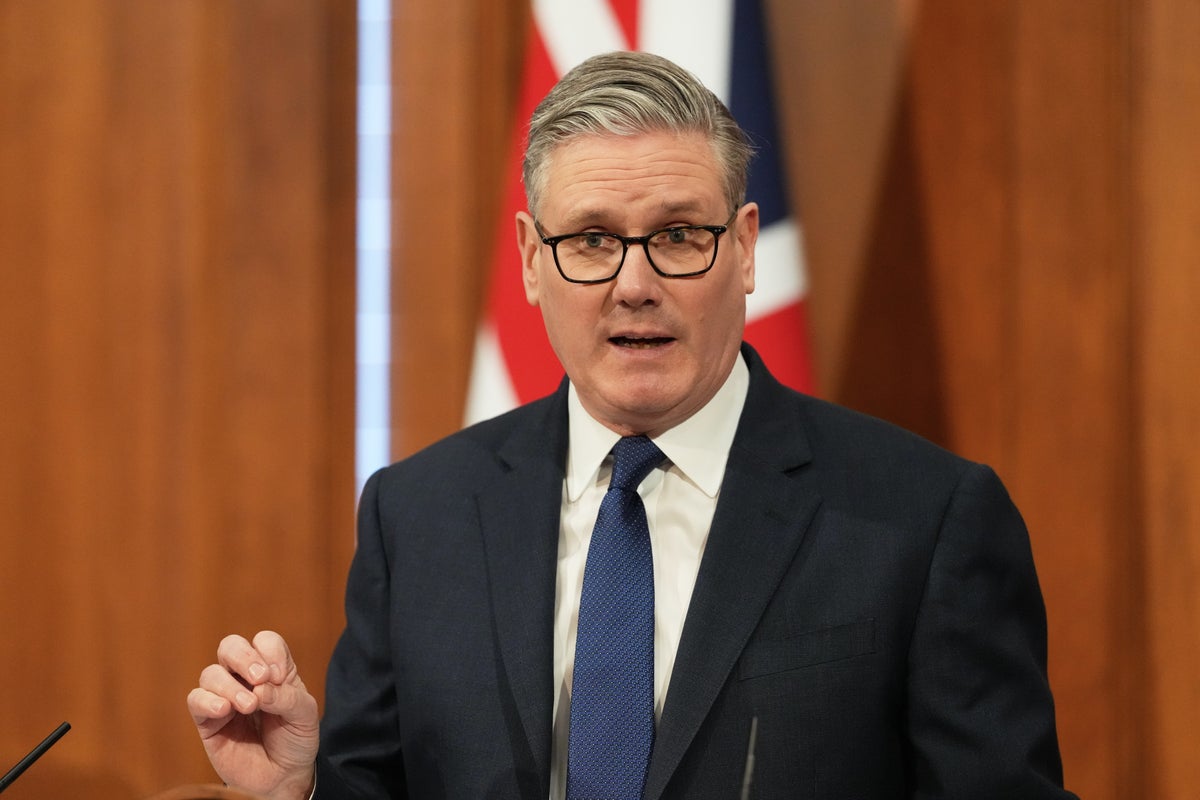 UK gathers more than 30 countries to plot ways of reopening the Strait of Hormuz
independent.co.uk
UK gathers more than 30 countries to plot ways of reopening the Strait of Hormuz
independent.co.uk
More than 30 countries will join a UK-hosted virtual meeting on Thursday to discuss how to restore shipping through the Strait of Hormuz after Iranian attacks and threats effectively halted commercial traffic, according to The Independent. The meeting, chaired by foreign secretary Yvette Cooper, comes as oil prices surge and ships remain trapped in the Gulf.
The guest list is a map of dependence. In peacetime, roughly a fifth of the world’s oil and gas transits Hormuz, but Europe’s exposure is less about geology than about policy choices made over decades: shrinking domestic production, slow permitting for new infrastructure, and an energy transition that often treated reliability as an afterthought. When the chokepoint closes, European governments cannot substitute barrels; they can only bid up prices, subsidise households, or plead for someone else to reopen the lane.
The meeting also underlines a coordination problem. Every importing country benefits from safe passage, but the costs of providing it—naval escorts, minesweeping, persistent surveillance, rules of engagement, and the political risk of escalation—land on whoever deploys first and most. Starmer said military planners from an unspecified number of countries would meet “after the fighting has stopped” to work on shipping security, a timetable that implicitly accepts that no government wants to be the one to test Iran’s anti-ship missiles, drones, fast attack craft and mines while the war is active.
The United States is not attending. Donald Trump has publicly argued that securing the waterway is not America’s job and told allies to “go get your own oil,” The Independent reports. For Europe, that absence is the point: Nato membership does not automatically translate into American willingness to underwrite every maritime artery that European economies rely on. The UK’s parallel effort to assemble “coalitions” for Ukraine and now Hormuz is partly a demonstration project aimed at Washington—proof, in European capitals’ telling, that they can organise without US command.
But the toolkit Europe can realistically bring is limited and expensive. Naval escorts require ships, crews, munitions stockpiles and basing; insurance markets will price the risk faster than diplomats can negotiate communiqués; strategic reserves buy time but do not reopen sea lanes. Even a temporary government backstop for war-risk insurance shifts the bill to taxpayers while leaving the underlying vulnerability intact.
Thirty-five countries have already signed a statement demanding Iran stop attempts to block the strait and pledging to “contribute to appropriate efforts,” according to The Independent. The practical question—who contributes what, and under whose command—has been deferred to “working-level meetings”.
For now, Europe’s plan is a video call, a joint statement, and a promise to think about maritime security once the shooting stops.