
EU opens state-aid probe into French nuclear buildout
EDF-backed EPR2 program targets 10 GW across Penly Gravelines and Bugey, 2040s commissioning turns financing terms into an engineering variable
Images
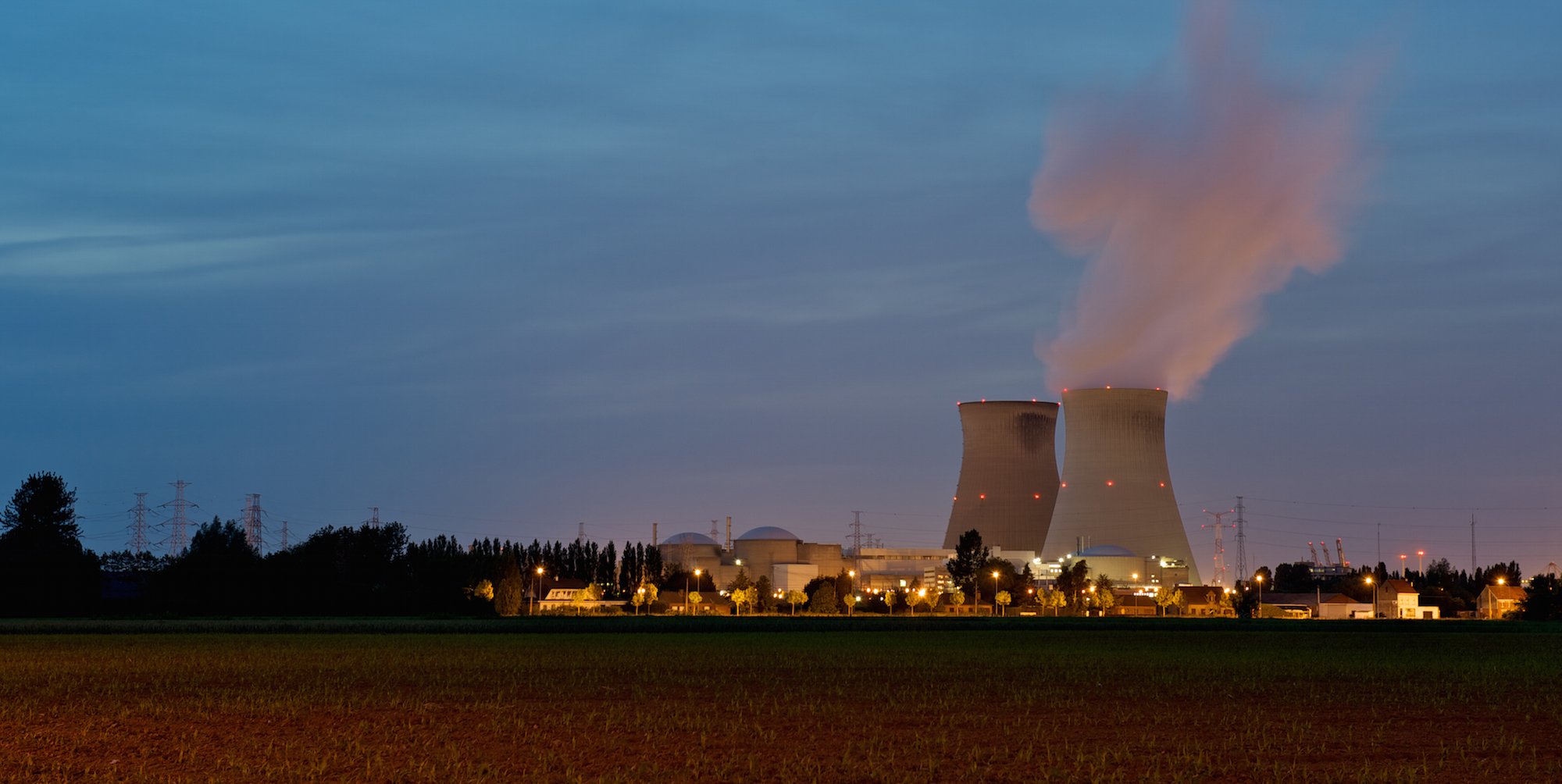 France and Finland are the only EU countries actively building new nuclear power plants <a target="_blank" href="https://www.flickr.com/photos/fotografieverstraeten/">(Photo: Next generation photo)</a>
euobserver.com
France and Finland are the only EU countries actively building new nuclear power plants <a target="_blank" href="https://www.flickr.com/photos/fotografieverstraeten/">(Photo: Next generation photo)</a>
euobserver.com
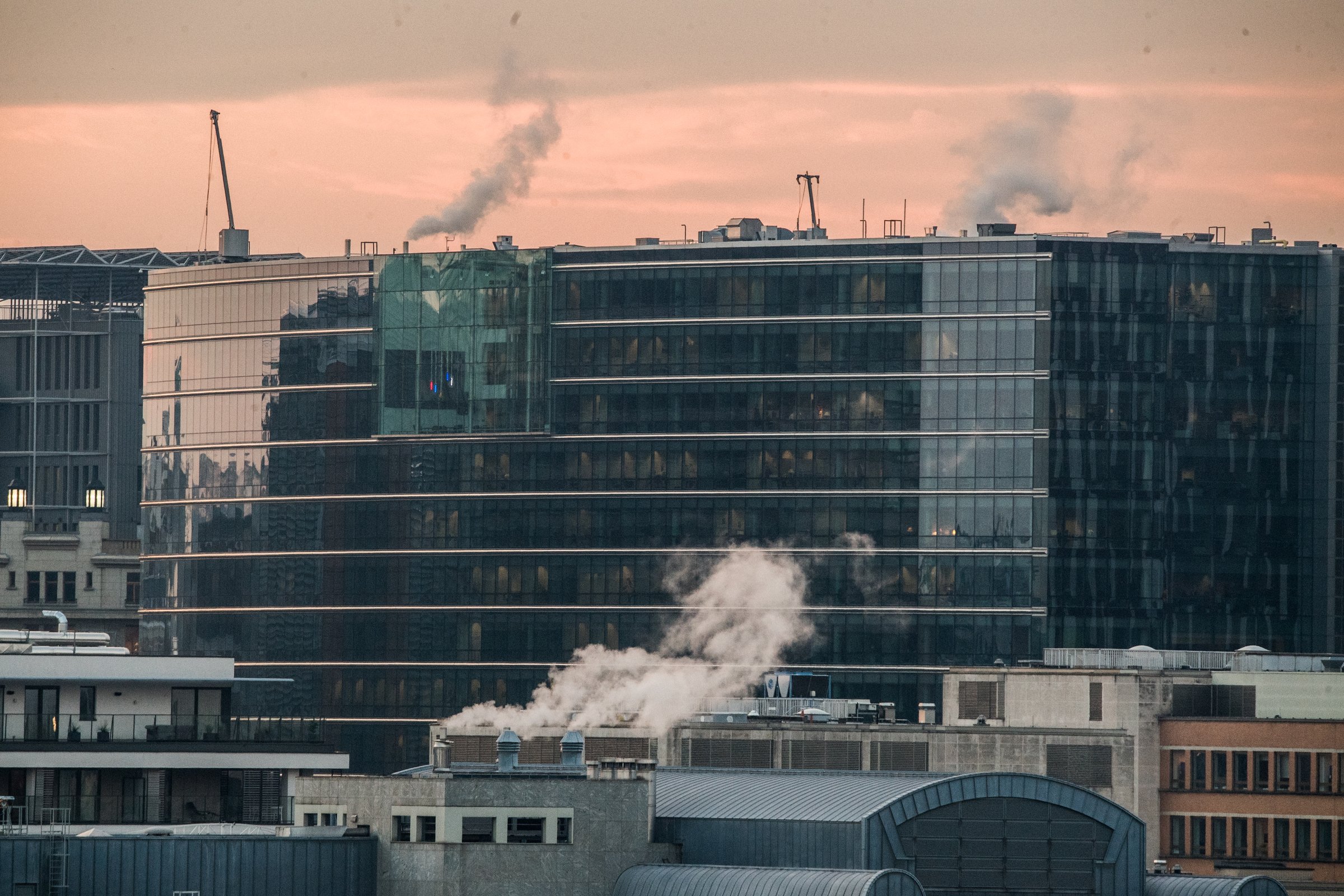 Last year saw a total 37 percent decrease in EU greenhouse gas emissions compared to pre-industrial levels in 1990 (Photo: European Council)
euobserver.com
Last year saw a total 37 percent decrease in EU greenhouse gas emissions compared to pre-industrial levels in 1990 (Photo: European Council)
euobserver.com
 Photo - Carl Wang
euobserver.com
Photo - Carl Wang
euobserver.com
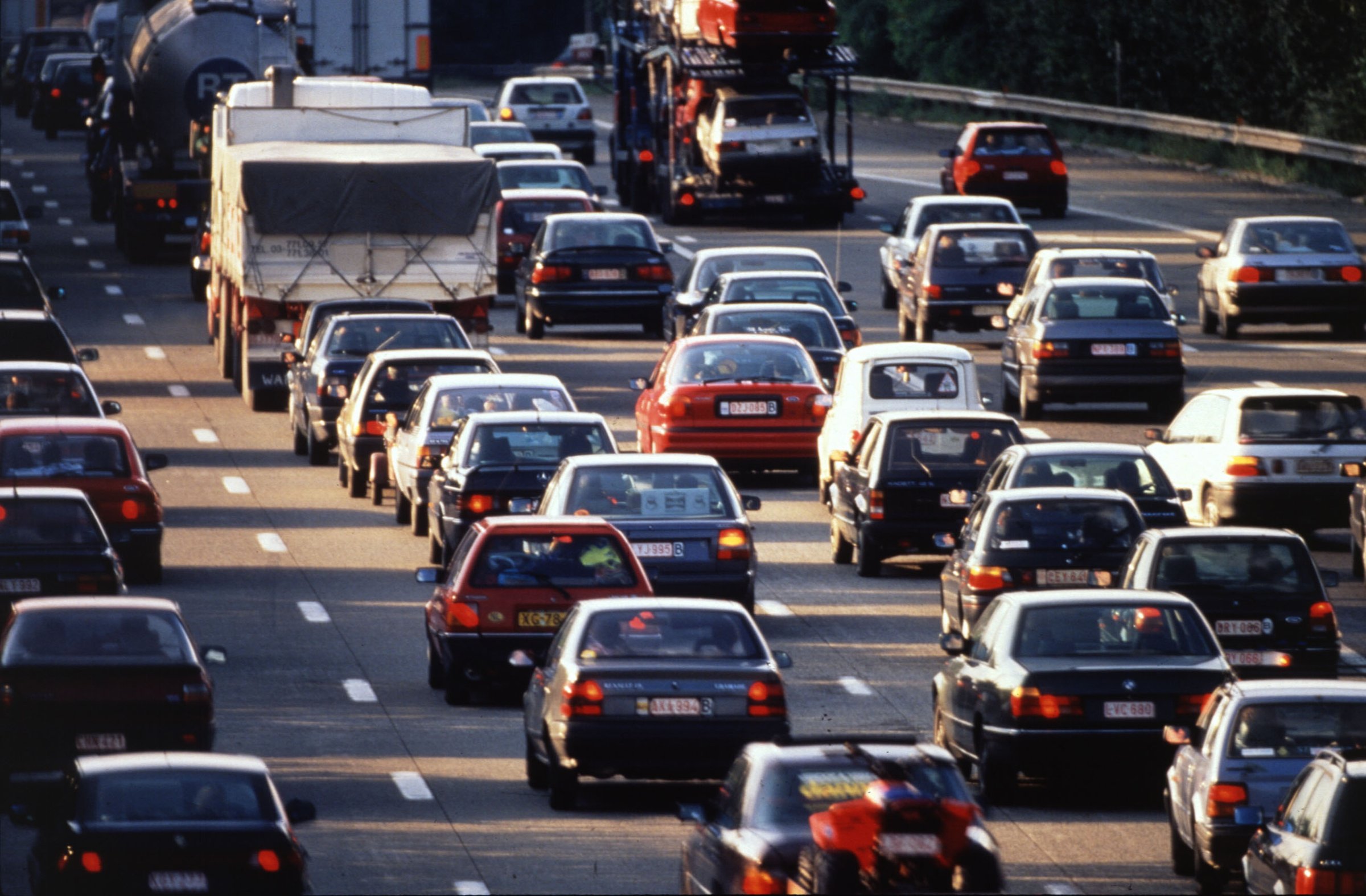 About three-quarters of Europeans live in urban areas — with the premature deaths of 250,000 from air pollution and 12,000 people every year from noise pollution, the report found (Photo: European Commission)
euobserver.com
About three-quarters of Europeans live in urban areas — with the premature deaths of 250,000 from air pollution and 12,000 people every year from noise pollution, the report found (Photo: European Commission)
euobserver.com
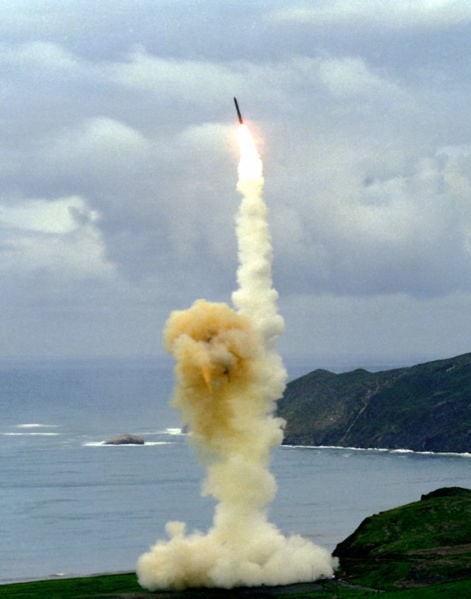 An intercontinental ballistic missile being launched - Russia says Iran has no technology to make them (Photo: Wikipedia)
euobserver.com
An intercontinental ballistic missile being launched - Russia says Iran has no technology to make them (Photo: Wikipedia)
euobserver.com
France is asking Brussels to clear a roughly €70bn nuclear expansion plan built around six new EPR2 reactors, after the European Commission opened a formal state-aid investigation into the financing structure, according to EUobserver. The programme, announced by President Emmanuel Macron in 2022, would add about 9,990 megawatts of capacity at existing sites—Penly, Gravelines and Bugey—with target grid connections between 2038 and 2044.
The hardware is not the headline risk; the timetable is. An EPR2 is a “standardised” iteration of the European Pressurised Reactor family intended to reduce the bespoke engineering and rework that plagued earlier builds in Finland and France. But the French plan’s own schedule implies a 12–18 year runway from today to commissioning, long enough for supply chains, labour markets, and design baselines to shift underfoot. Large forgings, reactor pressure vessels, steam generators, and high-integrity welds remain bottlenecks in Europe, where only a small number of qualified suppliers can deliver nuclear-grade components at scale. A build programme that delivers pairs of units at three sites also concentrates schedule risk: delays at one site can cascade as specialist crews and critical parts are reallocated.
The Commission’s inquiry focuses on the financing package: a subsidised state loan covering 60% of estimated construction costs (reported at €72.8bn) and a 40-year contract designed to stabilise revenues. In technical terms, that revenue backstop affects what can be built and how. Long-lived assets like reactors are sensitive to the cost of capital; cheaper financing and predictable cashflows make it easier to justify design choices that prioritise redundancy, materials margins, and lifetime extension over near-term cost cutting. Conversely, when the state absorbs downside risk, the usual discipline that forces early design freezes and strict change control is weaker—exactly the management failure mode that has historically turned “first-of-a-kind” nuclear projects into decade-long rework exercises.
EUobserver notes that the Commission has already said it considers the project “necessary” and recognises its potential contribution to security of supply and decarbonisation, language that signals the probe may be more about legal proportionality than engineering feasibility. The geopolitical backdrop matters: Commission president Ursula von der Leyen has described Europe’s earlier reluctance on nuclear as a “strategic mistake” and has pointed to energy vulnerability amid Middle East turmoil. That framing encourages member states to treat nuclear as an infrastructure insurance policy—valuable precisely because it is expensive and slow to replace once lost.
France’s plan now sits on two long timelines at once: the physical timeline of building and qualifying nuclear hardware, and the administrative timeline of making state-backed financing compatible with EU competition rules. The first reactor is not expected to produce electricity until 2038.