
Trump threatens Nato exit over Iran war burden sharing
Allies refuse Hormuz naval support as oil-route risk spikes, Article 5 becomes a bargaining chip
Images
 Former CIA chief Dan Hoffman discusses Iran conflict, NATO tensions
foxnews.com
Former CIA chief Dan Hoffman discusses Iran conflict, NATO tensions
foxnews.com
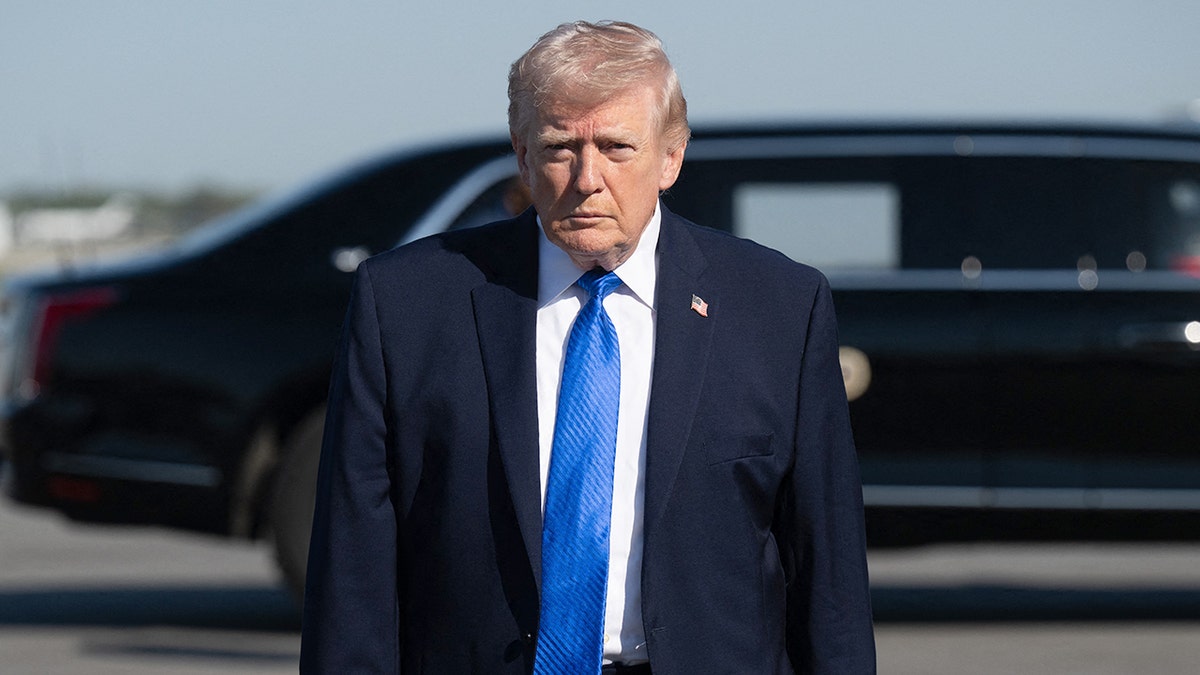 President Donald Trump
foxnews.com
President Donald Trump
foxnews.com
 NATO emblem
foxnews.com
NATO emblem
foxnews.com
 Keir Starmer speaks during a press conference.
foxnews.com
Keir Starmer speaks during a press conference.
foxnews.com
President Donald Trump says he is “strongly considering” pulling the United States out of Nato after European allies declined to join Washington’s effort to secure shipping through the Strait of Hormuz during the Iran war, according to an interview with the Daily Telegraph cited by Fox News. Trump framed the refusal as a one-way security guarantee: “We’ve been there automatically,” he said, adding that allies were not “there for us.” UK prime minister Keir Starmer responded that Britain is “fully committed to NATO,” calling it the most effective military alliance in history.
The immediate dispute is about ships, but the underlying transaction is about pricing risk. Hormuz carries roughly a fifth of global oil flows; when Iran threatens disruption, the cost shows up first in freight rates, insurance premia, and fuel prices. Europe is exposed through energy imports and industrial input costs, yet Washington is asking European navies to underwrite a US-chosen escalation against Tehran. When allies refuse, Trump’s threat to leave Nato turns the alliance itself into collateral: participate in the operation, or accept that the US security guarantee is conditional.
For Nato members, the guarantee is not a slogan but a balance-sheet input. Defence procurement, basing policy, and the political willingness to defer hard choices all assume the US remains the default backstop. If membership becomes an option that can be revoked to extract compliance on unrelated theatres, the alliance starts to resemble a rolling contract subject to renegotiation after every crisis. That changes how European capitals should value “interoperability” programs, long-lead weapons purchases designed around US logistics, and the implicit insurance discount on borrowing and investment that comes from being inside a US-led security perimeter.
Trump’s language also exposes a practical asymmetry: the US can credibly threaten to downgrade its commitment because it can project power independently, while most European militaries have been built around the assumption that they will not have to. In that setting, American leverage is amplified by European sunk costs. The more Europe has optimized for a world in which Washington is always present, the more expensive it becomes to say no when Washington asks for help.
Trump said he “didn’t insist too much” when asking allies for ships. He is now insisting with the only asset that matters: the credibility of Article 5.
Starmer’s rebuttal was a statement of principle. Trump’s demand was a request for hardware in a chokepoint where insurers, not speeches, set the timetable.