
US strike hits Isfahan amid Iran war
China condemns attacks on nuclear sites under NPT safeguards, verification lags while markets price risk first
Images
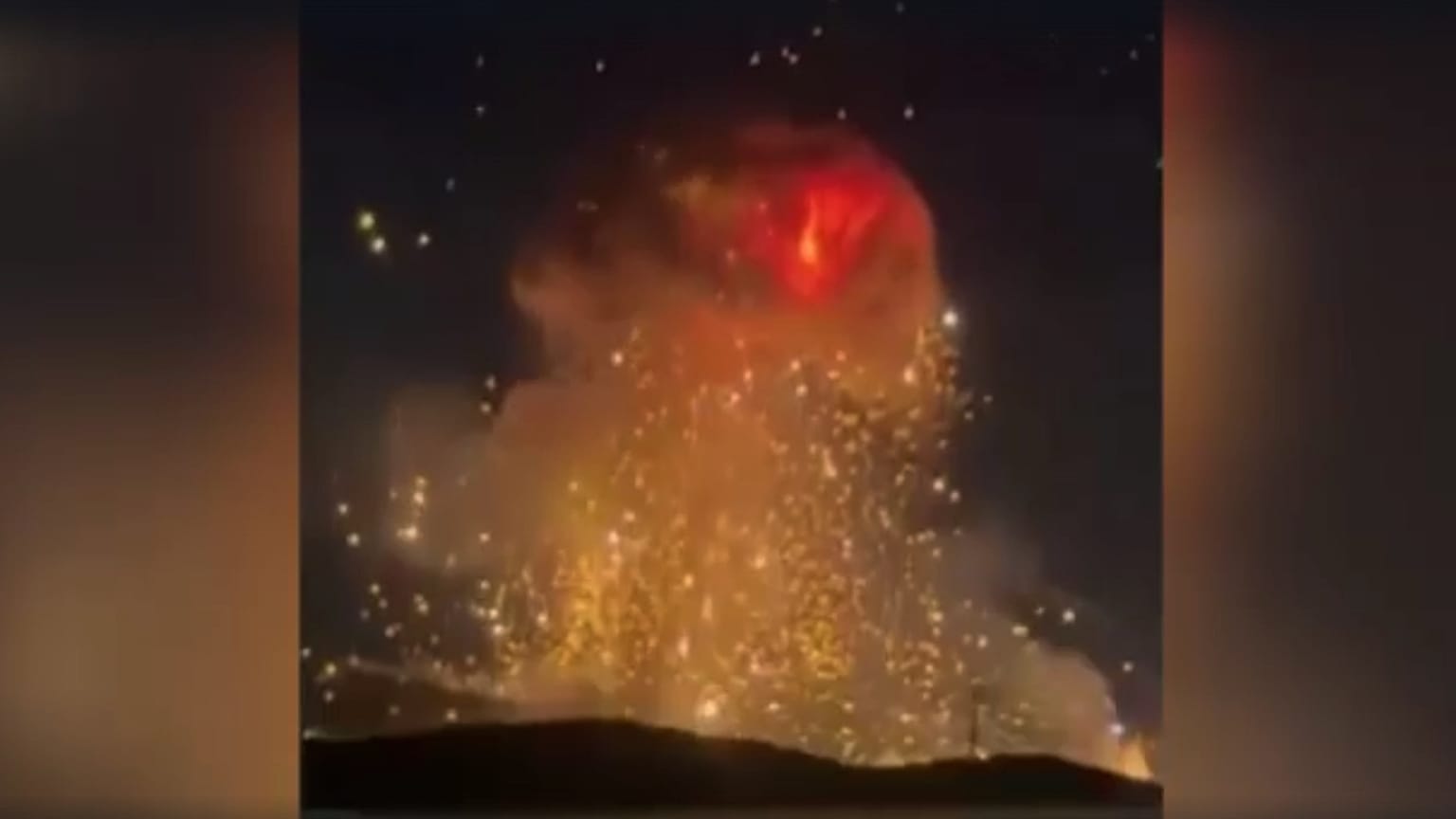 Moment US strike sends massive fireball into sky over Iran’s Isfahan
euronews.com
Moment US strike sends massive fireball into sky over Iran’s Isfahan
euronews.com
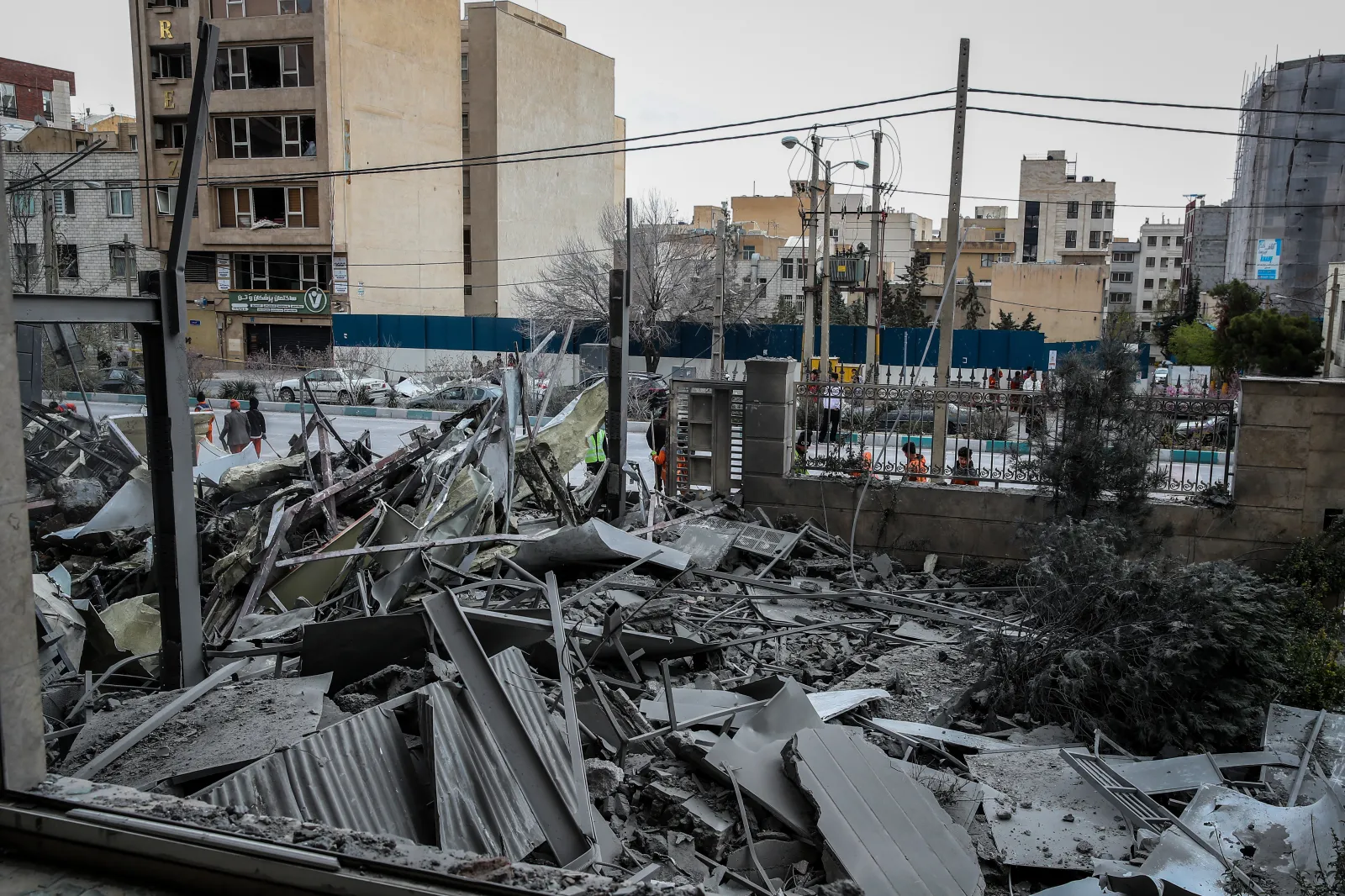 newsweek.com
 US Economy Slowing Down Much More Than Expected
newsweek.com
US Economy Slowing Down Much More Than Expected
newsweek.com
 Uncommon Knowledge: Trump’s Zombie Tariffs Don’t Die, They Mutate
newsweek.com
Uncommon Knowledge: Trump’s Zombie Tariffs Don’t Die, They Mutate
newsweek.com
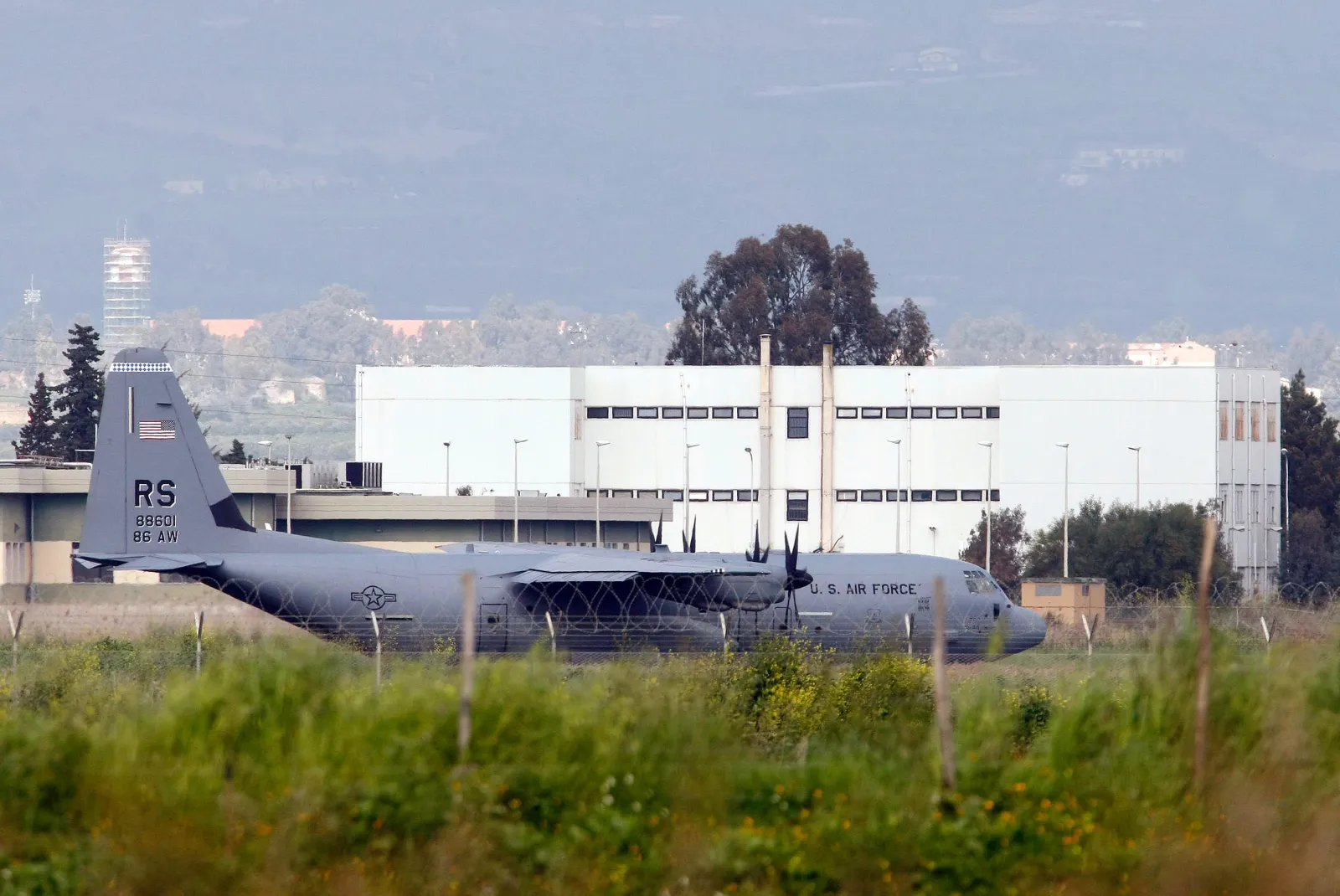 Italy Denies US Access To Military Base
newsweek.com
Italy Denies US Access To Military Base
newsweek.com
 Donald Trump Impeachment Petition Doubles in Size
newsweek.com
Donald Trump Impeachment Petition Doubles in Size
newsweek.com
Fireballs over Isfahan lit up the night sky early on March 31 after new US strikes hit Iran’s central province, according to Euronews footage. The area hosts major military sites and nuclear-related infrastructure, and the attacks came as the US and Israel continue a month-long campaign against Iranian targets.
China responded by condemning strikes on Iranian nuclear facilities as a breach of international law and a blow to the Nuclear Non-Proliferation Treaty, according to Newsweek, citing comments from foreign ministry spokesperson Mao Ning. Beijing’s statement pointed to recent attacks on sites including Bushehr, Yazd and Khondab that the International Atomic Energy Agency has referenced in updates, while also warning that the campaign risks weakening the credibility of the global safeguards system.
What is known is mostly what can be filmed: explosions, fires, and secondary blasts. What is not known—how much sensitive equipment was destroyed, what stockpiles were moved beforehand, which buildings were decoys, and whether critical processes were interrupted for days or for months—is precisely the information each side has reasons to shape.
Washington and Jerusalem benefit from projecting decisive damage: it supports the war’s stated purpose of preventing an Iranian bomb and reassures domestic audiences that escalation buys something concrete. Tehran benefits from claiming resilience and continuity: admitting deep damage invites domestic panic, elite infighting, and pressure to retaliate in ways that could widen the war further.
The IAEA sits in the middle with a narrower mandate and weaker tools in wartime. Its statements can calm markets by saying no off-site radiation release was detected, but they can also be used as political cover—proof of “no incident” for one side, proof of “attacks on safeguarded facilities” for the other. China, as Iran’s largest oil customer and a major stakeholder in the NPT’s legitimacy, has its own incentive to frame the strikes as reckless: it wants Gulf shipping to resume and the nonproliferation regime to remain a bargaining table rather than a battlefield.
The result is an information problem with immediate economic consequences. Even without a confirmed “nuclear incident,” insurers, shippers and trade financiers can treat the risk as unpriceable and step back—much as they have already done in the Strait of Hormuz, where traffic has slowed sharply. In that environment, the question is less “what was destroyed” than “who will underwrite the next voyage and the next cargo,” because commerce moves on coverage and letters of credit before inspectors can move on access.
In Isfahan, the visible evidence is a column of smoke. The invisible evidence—what can still be verified on the ground—shrinks as the war continues.