
Unilever enters advanced talks to sell food unit to McCormick
Reverse Morris Trust keeps majority ownership with Unilever shareholders, conglomerate shift toward beauty meets volatile input costs
Images
 zerohedge.com
 zerohedge.com
Unilever nears food-unit deal with McCormick, reverse Morris Trust structure keeps 65% with Unilever shareholders, conglomerate shifts toward higher-margin categories as staples face cost volatility
Unilever said it is in “advanced discussions” with McCormick & Company over a transaction that would combine most of Unilever’s food business with the US seasoning group in a deal valued at about $15.7 billion, according to a company statement carried by ZeroHedge. Unilever said an agreement could be concluded as soon as today, while stressing there is no certainty a deal will be reached.
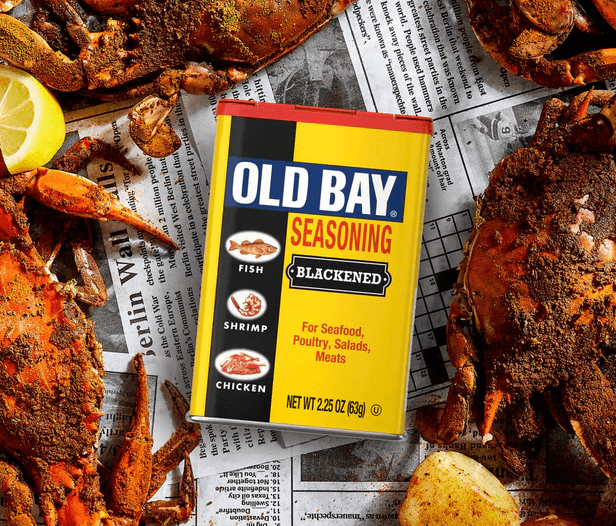
The proposed structure is a Reverse Morris Trust, a tax-efficient mechanism that would leave Unilever and its shareholders owning roughly 65% of the combined company after the transaction closes. Unilever said certain assets would be excluded, including parts of the food business in India. For McCormick, best known for Old Bay seasoning as well as French’s mustard and Frank’s RedHot, the deal would be transformative: its existing business generates roughly half the revenue of Unilever’s food unit, meaning the combined company would be dominated by Unilever’s brands and scale.
The move fits a broader post-cheap-money pattern in consumer staples. Conglomerates that once sold “defensive” breadth are increasingly trying to shed slower-growth categories and concentrate on segments with higher margins and stronger pricing narratives—beauty, personal care and home products in Unilever’s case. Food, by contrast, has become a business where input volatility is back: energy, freight, packaging and financing costs can swing quickly, while retailers push back harder on price rises when household budgets tighten.
This is also a deal about who gets paid for “synergy.” Under the proposed terms, Unilever keeps a large equity stake rather than taking a clean cash exit. That can be read as confidence in the cash generation of the combined food portfolio—or as a way to avoid crystallising value in a market that may be discounting consumer staples’ ability to pass through costs. RBC Capital Markets analyst James Edwardes Jones, cited by ZeroHedge, questioned the logic of swapping full ownership of a concentrated food unit—dominated by Hellmann’s mayonnaise and Knorr stock cubes—for partial ownership of a business with a broader portfolio.
McCormick’s interest is easier to see: scale and shelf leverage. Seasonings and condiments are small-ticket items where brand recognition can translate into pricing power, and where procurement and distribution efficiencies matter. Folding in Unilever’s food brands would give McCormick a larger negotiating footprint with retailers and suppliers at a moment when the cost of moving and insuring goods is rising again.
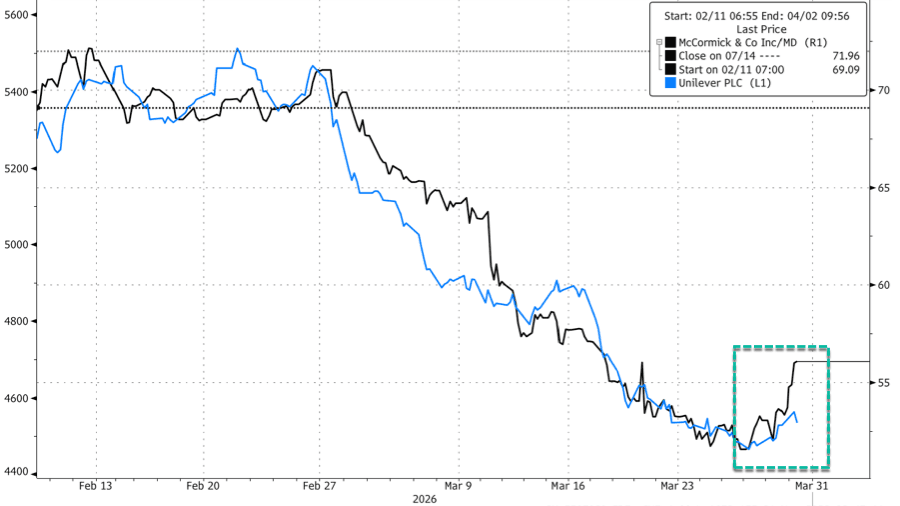
Markets treated the talks as a near-term positive. Unilever shares in London were up around 1% on the day, while McCormick shares rose about 4% in US premarket trading, according to ZeroHedge.
If the agreement is signed, the next test will be less about headlines and more about execution: integrating supply chains, deciding which brands get investment, and explaining why a global consumer-goods group is becoming a majority owner of a US-listed food champion while saying it wants to be less of a food company.
Unilever’s statement said a deal could be announced as soon as today. Until then, the only confirmed fact is that the company is negotiating a $15.7 billion reshuffle of brands that still have to be delivered through the same expensive logistics network as everything else.