
China bans bone ash apartments
New funeral law targets urn storage in empty flats before Qingming, cemetery plots stay scarce while enforcement moves indoors
Images
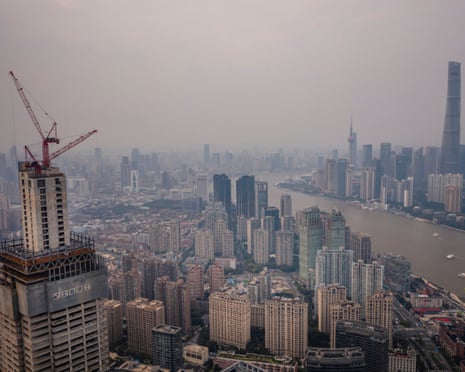 Apartments are being used instead of cemetery plots in China, which recorded 11.3m deaths in 2025, up from 9.8m in 2015 Photograph: Alex Plavevski/EPA
theguardian.com
Apartments are being used instead of cemetery plots in China, which recorded 11.3m deaths in 2025, up from 9.8m in 2015 Photograph: Alex Plavevski/EPA
theguardian.com
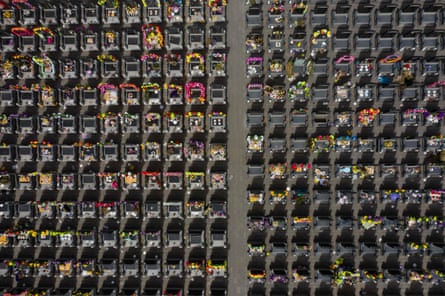 Graves at a cemetery in Dagantangcun, 30km east of Beijing. Photograph: Fred Dufour/AFP/Getty
theguardian.com
Graves at a cemetery in Dagantangcun, 30km east of Beijing. Photograph: Fred Dufour/AFP/Getty
theguardian.com
China’s government is moving to prohibit so-called “bone ash apartments”—empty flats used to store relatives’ cremated remains—under new funeral management legislation taking effect ahead of the Qingming grave-sweeping festival. The Guardian reports the law will ban using residential housing specifically for storing cremated remains, and will also prohibit burials and tomb construction outside public cemeteries.
The practice grew for reasons that are hard to separate from policy. China recorded 11.3 million deaths in 2025, up from 9.8 million in 2015, while births fell to 7.9 million, deepening pressure on burial space in big cities. At the same time, funeral costs are high by international standards, and cemetery plots are typically leased for 20 years—shorter than the 70-year residential land-use rights attached to apartments. When the state sells one form of tenure as “secure” and another as time-limited, families do what households do everywhere: they pick the asset that holds value and can be controlled.
The ban is also an attempt to reassert administrative control over an improvised market response to scarcity. Urbanisation and land constraints have made cemetery plots expensive; falling property prices since 2021 have left vacant apartments and distressed developers. “Bone ash apartments” arbitraged both trends—using a depreciating housing asset as a private ritual space and a long-horizon store of rights. The new rule closes that workaround without changing the underlying shortage of affordable burial options.
Officials have been promoting alternatives. Shanghai has subsidised “ecological burial” methods such as deep-ground burial and sea burial of cremated remains, and the city’s sea burials exceeded 10,000 cases in 2025, the Guardian reports. Those programmes reduce land use, but they also shift families from private, controllable spaces to state-administered services, with schedules, quotas and eligibility rules.
Public reaction suggests enforcement will be messy. A hashtag linked to the ban drew more than 7 million views on Weibo, with users asking how authorities would even check what is inside a private flat. Policing urns inside apartments implies inspections, reporting, or some form of registration—each of which creates its own market in avoidance.
China is banning one of the cheaper ways families have found to cope with a crowded afterlife. The law does not add a single new grave plot.