
Einstein Bros. Bagels cream cheese recall hits four states
Mislabeled cups may contain undeclared almonds, a small packaging mismatch becomes a supply-chain event
Images
 Check out what's clicking on FoxBusiness.com.
foxbusiness.com
Check out what's clicking on FoxBusiness.com.
foxbusiness.com
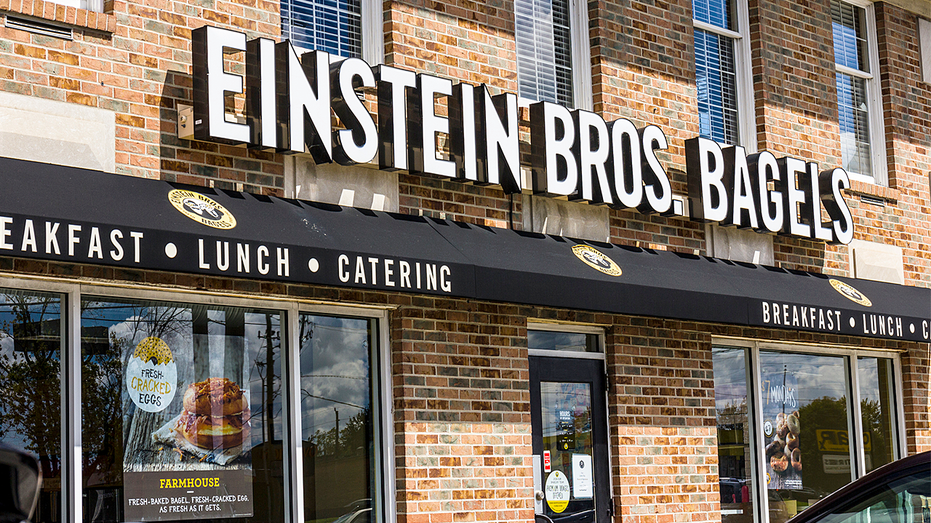 Einstein Bros. Bagels
foxbusiness.com
Einstein Bros. Bagels
foxbusiness.com
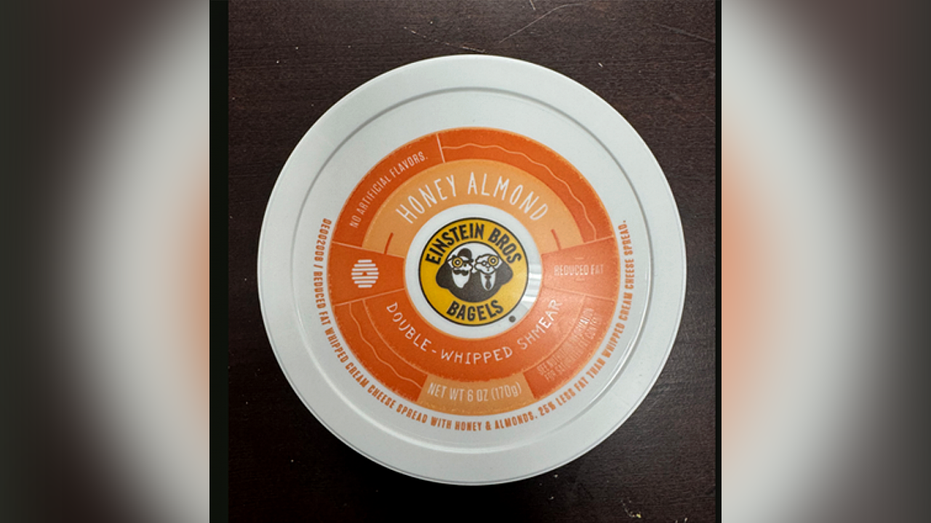 Einstein Bros. Bagels cream cheese spread lid
foxbusiness.com
Einstein Bros. Bagels cream cheese spread lid
foxbusiness.com
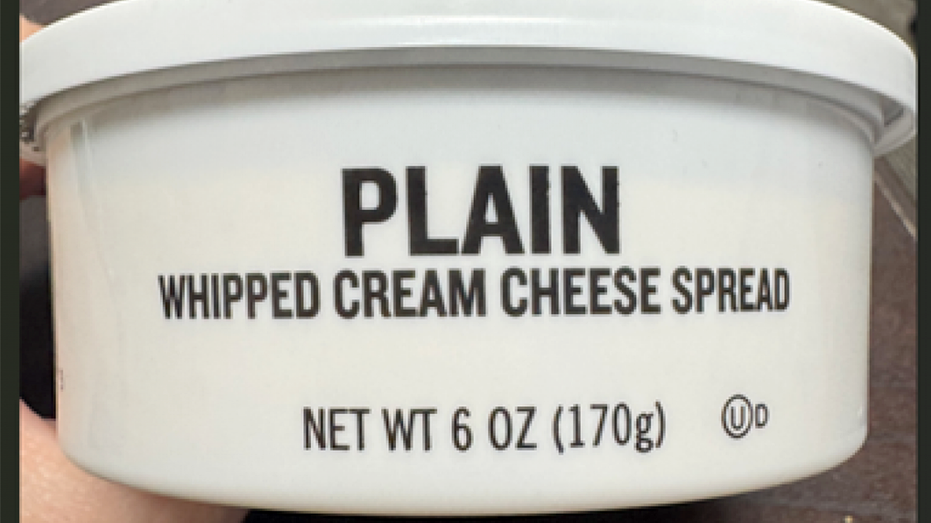 Einstein Bros. Bagels cream cheese spread cup
foxbusiness.com
Einstein Bros. Bagels cream cheese spread cup
foxbusiness.com
A packaging error affecting 144 cases of Einstein Bros. Bagels’ Honey Almond Cream Cheese Spread has triggered a voluntary recall across four US states. Fox Business, citing the US Food and Drug Administration, reports that the product was mistakenly labelled as “Plain” on the cup despite containing almonds—an undeclared allergen that can cause severe reactions. The affected cases were distributed to Einstein locations in Colorado, Utah, New Mexico and Wyoming.
The incident is small in volume but large in consequence because modern food retail runs on traceability, batch logic and liability. A “mismatched lid and cup,” as the FDA described it, is not treated as a cosmetic defect when the ingredient list is the safety system. The label is the contract between producer and consumer, and for allergens it is also the line between a manageable risk and an emergency room visit. Once a mislabel is confirmed, the rational move for a manufacturer is to pull everything that could plausibly be affected, even if only a fraction is wrong.
Recalls also show how responsibility is distributed across a supply chain that is optimised for speed. Schreiber Foods, a Wisconsin-based producer, issued the recall; the product moved through distribution to branded store locations; the consumer is told to return it “to the place of purchase for a full refund,” according to Fox Business. The direct cost of refunds and disposal is only part of the bill. The larger cost comes from compliance work—internal investigations, line checks, documentation, and the operational disruption of proving the problem is contained.
The FDA statement relayed by Fox Business says Schreiber’s investigation suggested a “limited packaging issue” that has been corrected and that review work confirmed the issue was limited to this product. That phrasing is typical of recall communications: regulators and customers want containment, and companies need a defensible boundary around what they are paying for. In practice, the boundary is set by what the company can document—production times, lot codes, packaging runs—and what it cannot.
For consumers, the recall is a reminder that risk is priced into convenience. A sealed 6-ounce cup looks like a simple commodity; behind it sits a tracking system that can identify a specific “Best If Used By” date and lot code, and a legal framework that makes it cheaper to over-recall than to argue later about who should have known.
No illnesses have been reported.
The lot code is printed on the bottom of the cup.