
G7 vows all necessary measures on Iran war energy shock
Oil and LNG flows depend on insurance and trade finance as much as naval patrols, tankers divert to Asia despite political promises
Images
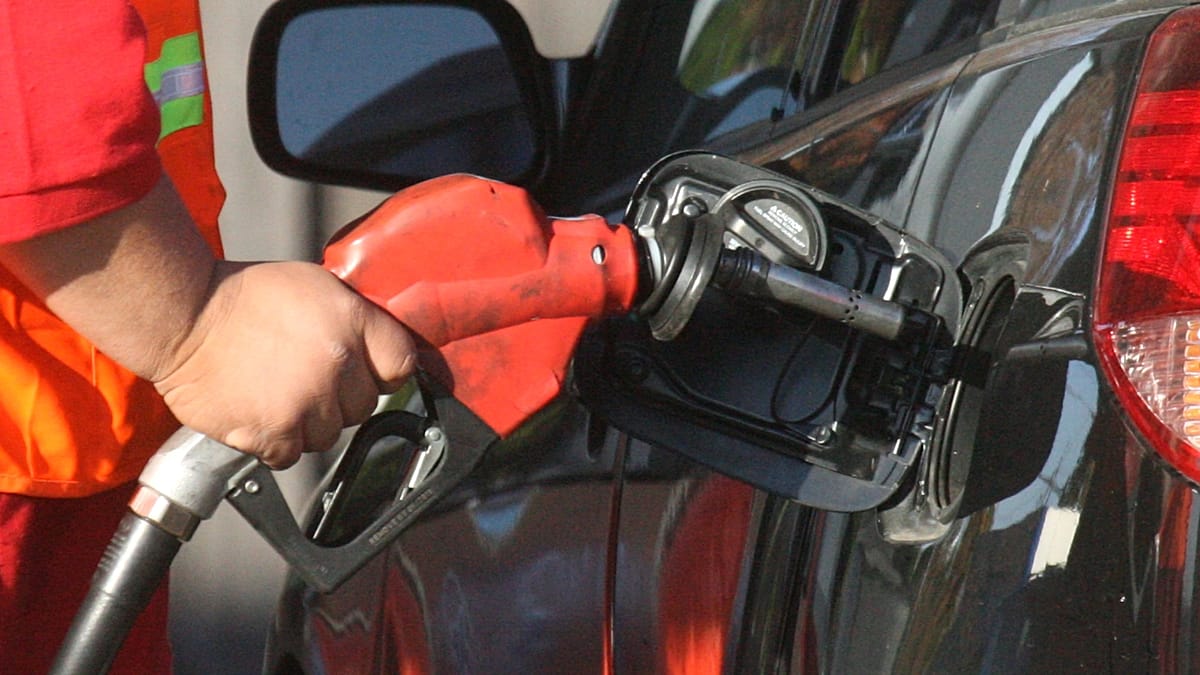 G7 pledges to take 'all necessary measures' to safeguard energy market
euronews.com
G7 pledges to take 'all necessary measures' to safeguard energy market
euronews.com
 Smoke emanating from the Thai bulk carrier 'Mayuree Naree' near the Strait of Hormuz after an attack.
|
Handout/Royal Thai Navy/AFP
scroll.in
Smoke emanating from the Thai bulk carrier 'Mayuree Naree' near the Strait of Hormuz after an attack.
|
Handout/Royal Thai Navy/AFP
scroll.in
 The Conversation, CC BY-SA
scroll.in
The Conversation, CC BY-SA
scroll.in
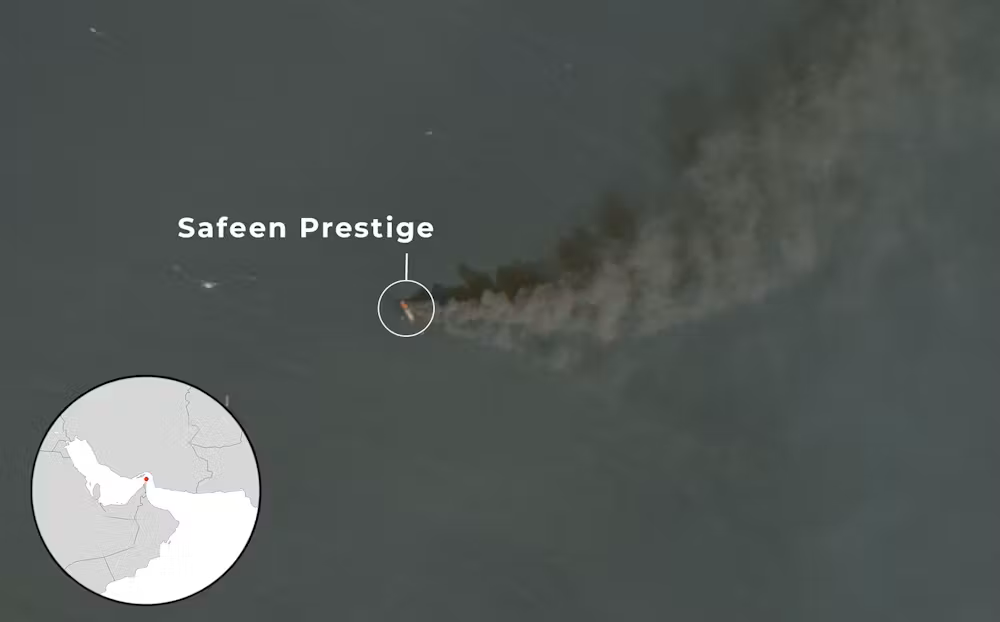 The Malta-flagged container vessel Safeen Prestige on fire in the Strait of Hormuz on March 18 after being hit by Iranian explosives. Credit: Copernicus Sentinel-2 satellite, CC BY-SA, via The Conversation.
Copernicus Sentinel-2 satellite, CC BY-SA, via The Conversation.
The Malta-flagged container vessel Safeen Prestige on fire in the Strait of Hormuz on March 18 after being hit by Iranian explosives. Credit: Copernicus Sentinel-2 satellite, CC BY-SA, via The Conversation.
Copernicus Sentinel-2 satellite, CC BY-SA, via The Conversation.
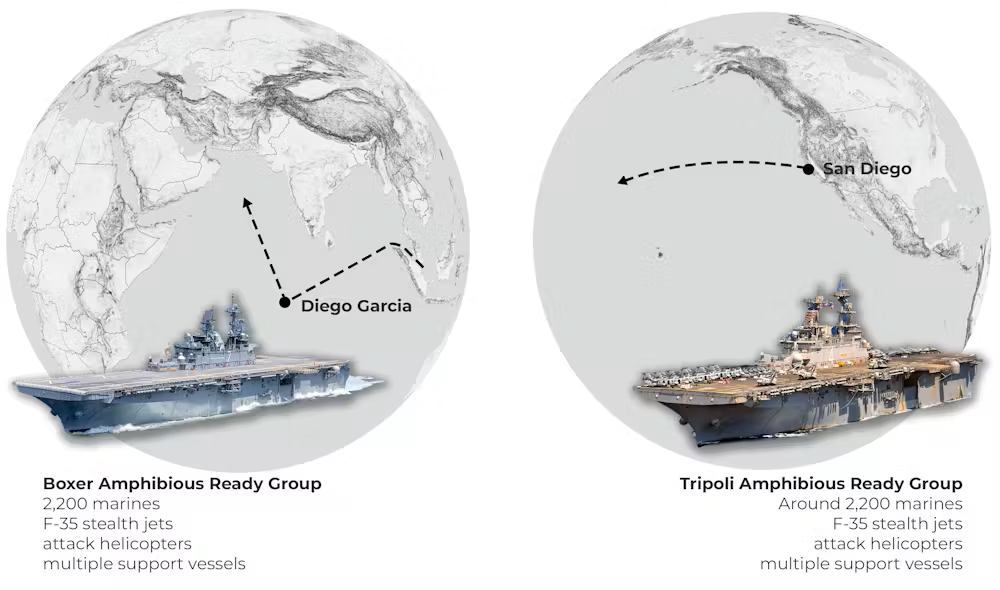 President Trump has ordered reinforcements from two naval groups into the Middle East, consisting of around 4,500 marines and dozens of aircraft. The Conversation, NYT, Al Jazeera, CC BY-SA, via The Conversation.
scroll.in
President Trump has ordered reinforcements from two naval groups into the Middle East, consisting of around 4,500 marines and dozens of aircraft. The Conversation, NYT, Al Jazeera, CC BY-SA, via The Conversation.
scroll.in
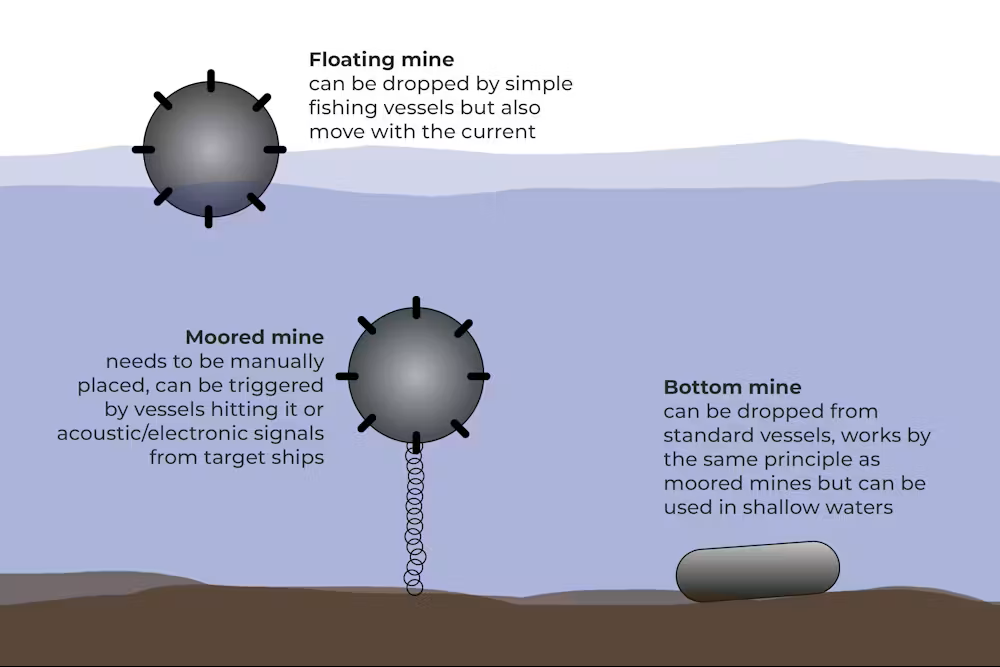 The possible types of mines Iran may have laid in the Strait of Hormuz, though there has been no clear evidence mining has occurred. Credit: NYT, CC BY-SA, via The Conversation.
NYT, CC BY-SA, via The Conversation.
The possible types of mines Iran may have laid in the Strait of Hormuz, though there has been no clear evidence mining has occurred. Credit: NYT, CC BY-SA, via The Conversation.
NYT, CC BY-SA, via The Conversation.
G7 energy and finance ministers say they are ready to take “all necessary measures” to stabilise energy markets as the war involving Iran keeps disrupting oil and gas flows, according to Euronews. The statement offered no specific steps, but it comes after the International Energy Agency coordinated a release of 400 million barrels on 11 March — a move that Euronews says has not been enough to halt price rises. Brent crude was quoted around $119 a barrel, up from roughly $70 before the conflict, with analysts warning of scenarios as high as $200.
The political language focuses on “safeguarding” markets and “securing” the Strait of Hormuz, but the practical choke point has been less about naval presence than about whether shipping can be insured and financed at all. Euronews notes that LNG cargoes bound for Europe have been diverted to Asia where prices are higher, a reminder that tankers follow marginal revenue and risk-adjusted returns, not diplomatic communiqués. When underwriters raise war-risk premiums or refuse cover, and banks tighten trade finance, a waterway can be “open” in the geographic sense while being closed in the commercial one.
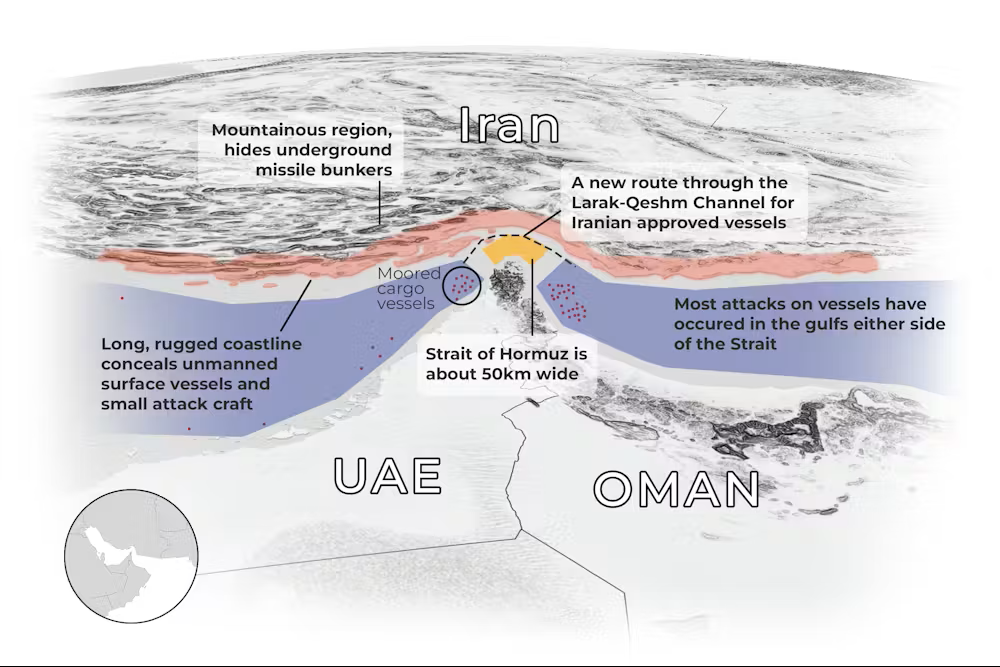
A separate analysis republished by Scroll.in from The Conversation describes what would be required to make merchant traffic safer: first, reducing Iran’s ability to target ships by destroying coastal radar, command-and-control nodes and weapons bunkers; second, a reassurance campaign involving airborne early warning, maritime patrol aircraft, combat air patrols, helicopters, escorts and potentially mine clearance. The piece argues the US is unlikely to attempt a full escort-and-clearance effort without first suppressing Iran’s shore-based threat, because it would divert aircraft and ships needed for other war aims and expose high-value assets to cheap attack systems.
That sequencing matters because the market does not wait for phase one to finish. Insurers and ship operators price the probability of disruption, not the intent of governments to keep lanes open. Iran’s advantage is proximity: it can use relatively inexpensive drones and missiles to create credible risk across a narrow corridor. Even sporadic hits can be enough to make a route uneconomic, pushing cargoes to longer paths, tightening supply chains, and feeding inflation — effects the G7 statement explicitly flagged.
European officials are now meeting to review reserves and supply security, while the European Commission has tried to frame the shock as “price volatility,” Euronews reports. But when tankers re-route and fertiliser and energy cargoes are delayed, volatility becomes a physical shortage for whichever buyer is outbid.
The G7 has promised “any necessary measures.” The market has already chosen the measure that matters: no cover, no voyage.