
YouTube says top creators will never leave home
Neal Mohan pitches platform as permanent base against Netflix poaching, production costs move off balance sheet and onto creators
Images
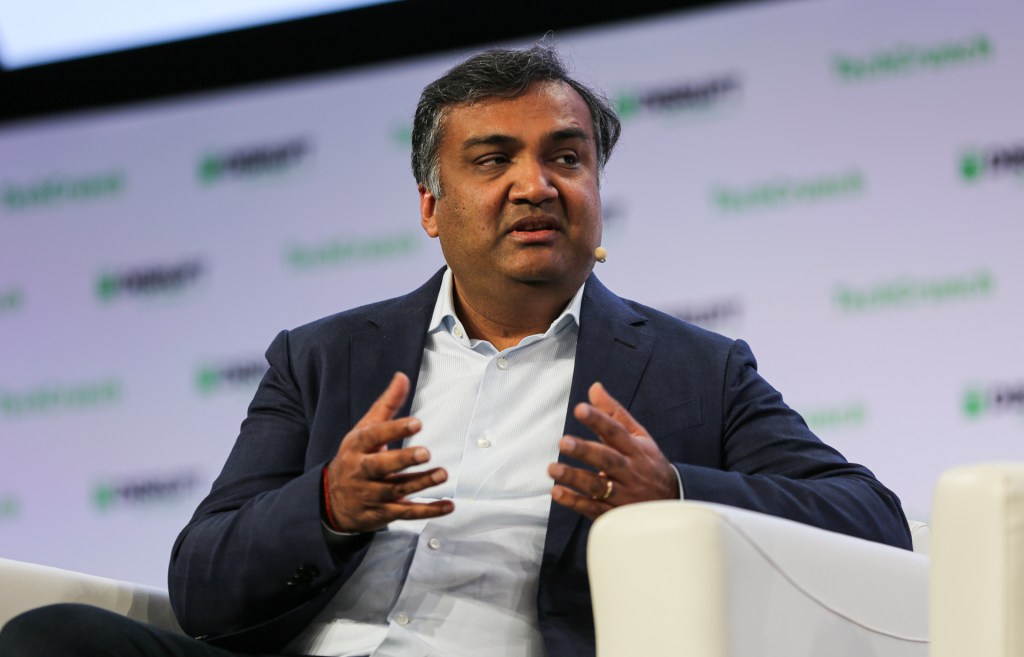 disrupt neal mohan youtube 0142
techcrunch.com
disrupt neal mohan youtube 0142
techcrunch.com
 techcrunch.com
 Project Hail Mary
techcrunch.com
Project Hail Mary
techcrunch.com
 techcrunch.com
 techcrunch.com
YouTube chief executive Neal Mohan told the New York Times’ “The Interview” that the platform’s top creators will “never leave their home.” The remark, reported by TechCrunch, came as Netflix and other streamers continue to sign high-profile podcasts and video talent, and as YouTube itself leans harder into living-room viewing through TVs and long-form programming.
Mohan framed the question as loyalty: creators may flirt with exclusives elsewhere, but they “understand that YouTube is their home,” and rival platforms will “acquiesce” to that reality. It is also a statement about production economics. A creator who never leaves home is a creator who does not need a studio lease, a union crew, a travel budget, a location permit, or a fixed shooting schedule. The platform gets an endless supply of inventory without carrying the balance-sheet costs that define Hollywood or broadcast.
The home-studio ideal fits YouTube’s core contract with creators: the platform supplies distribution and monetisation rules, while the creator supplies labour, equipment, and risk. Revenue can surge or collapse with an algorithm change, a policy tweak, or a shift in advertiser sentiment. Unlike a traditional employer, YouTube does not owe minimum hours, severance, or predictable rates. Unlike a traditional network, it does not need to decide what gets greenlit; it can let the ranking system decide, then take a share of the upside.
The same structure makes creators unusually dependent. If a creator builds their business around YouTube search, recommendations, and ad splits, “leaving” is not just uploading somewhere else; it is rebuilding discovery, audience habits, and income from scratch. Mohan’s confidence rests on switching costs that are cultural and technical: audiences default to YouTube, and creators optimise their formats to what the platform rewards.
Competitors can still buy exclusivity, but exclusivity is expensive precisely because it replaces a creator’s uncertain platform income with a guaranteed cheque. YouTube’s model pushes the opposite direction: keep creators in a perpetual audition, competing for attention, paid after the fact, and always one policy update away from a different pay packet.
Mohan delivered his line in an interview that streams on YouTube. The point was that YouTube does not need a studio lot to be the centre of culture.
It needs creators who cannot afford to stop uploading.