
Iran allows more Pakistani ships through Hormuz
Selective transit replaces normal shipping, insurers and banks still set the real choke point
Images
 zerohedge.com
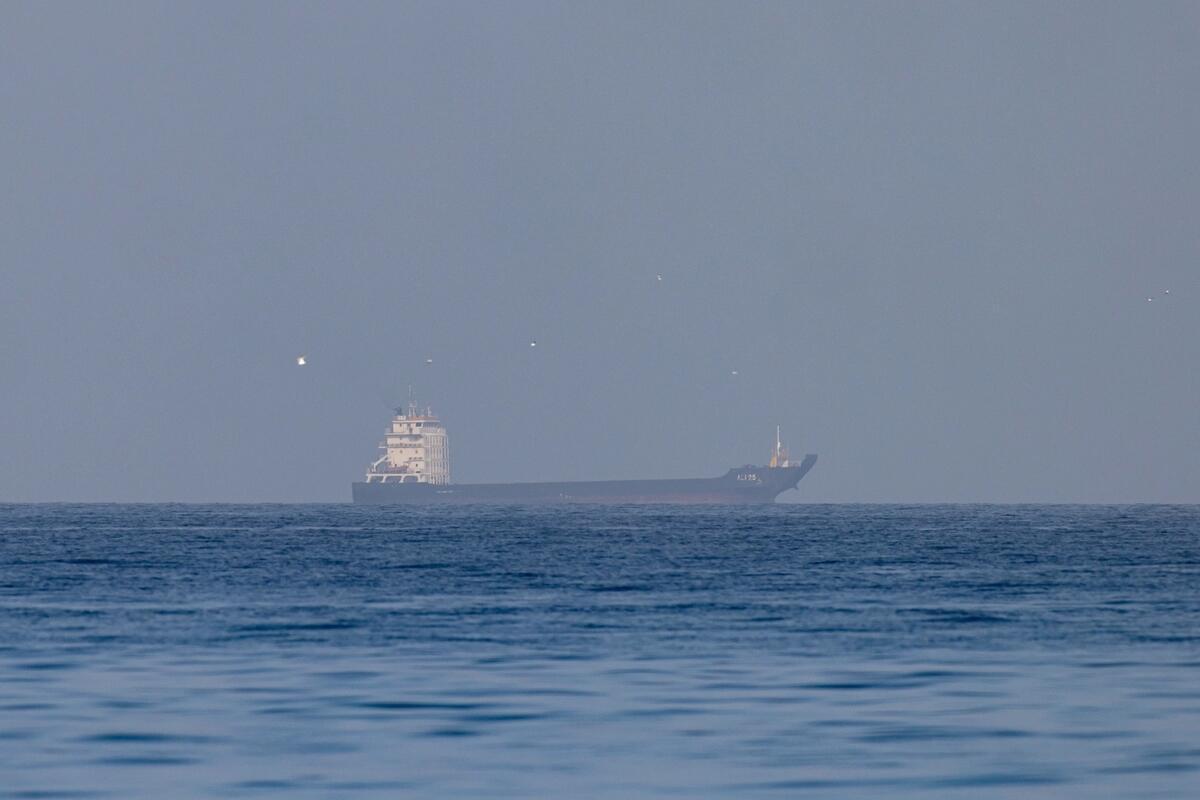
Iran has agreed to let 20 additional Pakistani-flagged ships pass through the Strait of Hormuz, Pakistan’s foreign minister Ishaq Dar said on March 28, according to The Epoch Times. The announcement follows President Donald Trump’s claim that Iran had already allowed 10 oil tankers through the chokepoint, after Washington threatened strikes on Iranian energy sites if the strait was not reopened. Tehran’s foreign minister Abbas Araghchi, cited by Iranian state media, said messages had been received via intermediaries but “this is not considered a negotiation.”
In commodity markets, a narrow “permission slip” for a handful of vessels does not restore normality; it changes the shape of the risk. A shipping lane that is open only to “non-hostile” traffic is not an open lane in the commercial sense, because cargo owners, banks and insurers price the probability that the rules will change mid-voyage. The result is a market where the binding constraint is less the number of ships physically able to transit than the availability of cover: war-risk insurance, letters of credit, and counterparties willing to accept delivery schedules that can be disrupted by a political decision.
That distinction matters because Hormuz is not just an oil story. Freight rates, bunker fuel, and inventory financing all start to move when insurers re-rate a corridor from “hazardous” to “discretionary.” A refinery or manufacturer can buy crude or components on paper, but if a bank will not finance the cargo and an underwriter will not stand behind the voyage, the trade effectively stops. Selective passage also creates a two-tier market: cargoes on “approved” flags and routes clear, while everything else carries a premium that shows up as higher delivered prices and a scramble for working capital.
The political economy is equally clear. Pakistan’s role as intermediary offers Tehran a way to signal partial de-escalation without giving up leverage, while Washington’s deadline-setting creates a countdown that traders must hedge against. Even if physical flows resume in fits and starts, the episode encourages importers to build alternative payment and logistics channels that function under sanctions and conflict. Once companies have invested in new routing, new counterparties, and new settlement rails, those habits do not automatically disappear when the shooting stops.
Two Pakistani-flagged ships a day may move through Hormuz under an understanding that can be revoked at any time. The rest of the market still has to decide what that understanding is worth on an insurance contract.