
Afghanistan accuses Pakistan of shelling Kunar Province
Cross-border fighting turns into a currency for mediation, civilian casualty claims compete with insurgency narratives
Images
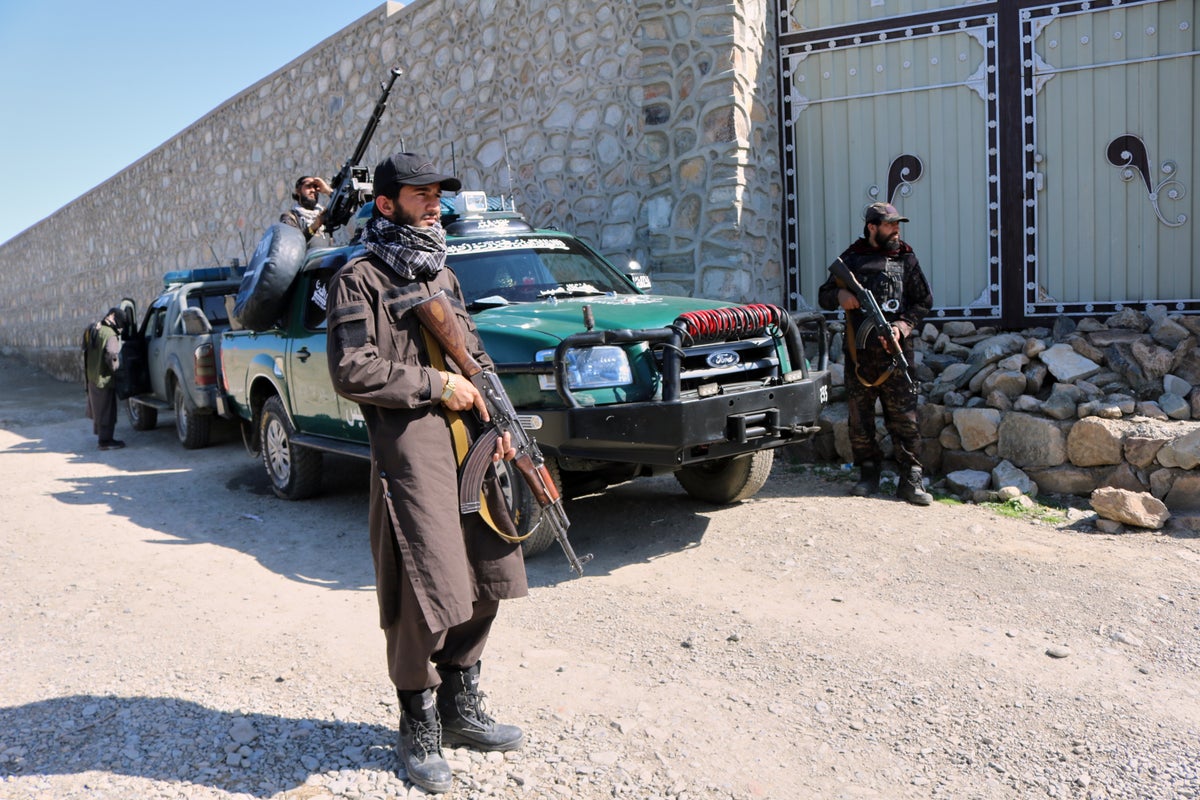 Afghanistan accuses Pakistan of shelling outskirts of eastern city, killing and wounding civilians
independent.co.uk
Afghanistan accuses Pakistan of shelling outskirts of eastern city, killing and wounding civilians
independent.co.uk
Pakistan and Afghanistan traded fresh accusations on Sunday after Kabul said Pakistani forces fired mortars and “other heavy weaponry” into rural areas outside Asadabad, the capital of Kunar province, killing one person and wounding 16, mostly women and children. The claim was posted by Afghan deputy government spokesman Hamdullah Fitrat alongside photos of wounded children, according to The Independent. Islamabad did not immediately respond.
The shelling is the latest flare-up in the most serious fighting between the two neighbours in decades, a conflict that has now become part border war, part counterinsurgency dispute, and part diplomatic commodity. Pakistan says the Afghan Taliban are sheltering militants from the Pakistani Taliban (TTP), which attacks inside Pakistan; Kabul denies it. That denial matters less than the practical reality: Pakistan’s security services and border forces are paying the cost of an insurgency that can retreat across a frontier they cannot permanently seal, while the Taliban government in Kabul is insulated from the economic consequences by aid flows and smuggling rents.
In that setting, “mediation” is not a moral role so much as a revenue stream. The Independent reports that Saudi Arabia, Turkey and Qatar helped broker a temporary truce ahead of Eid al-Fitr; the ceasefire expired earlier this week and fighting resumed on Wednesday. Each round of escalation increases the value of whoever can convene talks, host delegations, and offer a channel that rivals cannot easily replicate. For Islamabad, being the room where others negotiate can translate into external financing, security cooperation, and political cover—especially when Western capitals are looking for intermediaries in multiple theatres at once.
But the same dynamics make Pakistan’s broker posture fragile. The country has incentives to demonstrate that the border problem is not a local policing issue but a regional security threat—one that justifies aid, equipment, and diplomatic attention. Afghanistan, for its part, has incentives to frame Pakistani strikes as attacks on civilians and sovereignty, raising the diplomatic cost for Islamabad while keeping the focus away from cross-border militant networks. When both sides benefit from internationalising the dispute, the border becomes a stage as much as a line.
The fighting has included cross-border clashes and airstrikes inside Afghanistan, including in Kabul, according to The Independent. Earlier this month, Afghan officials said a Pakistani strike hit a drug treatment hospital in the capital and killed more than 400 people, a figure Pakistan disputes; the UN has said the death toll is still under verification. Peace talks in Istanbul last November failed to produce a durable settlement.
On Sunday, Kabul’s spokesman posted images of wounded children from Kunar and said mortars had hit civilian homes. Pakistan’s response, for now, is silence—while the border keeps generating both casualties and leverage.