
New pro-AI super PAC plans 100 million dollar midterm push
Innovation Council Action aligns with Trump AI agenda and David Sacks, regulation fight becomes a barrier business
Images
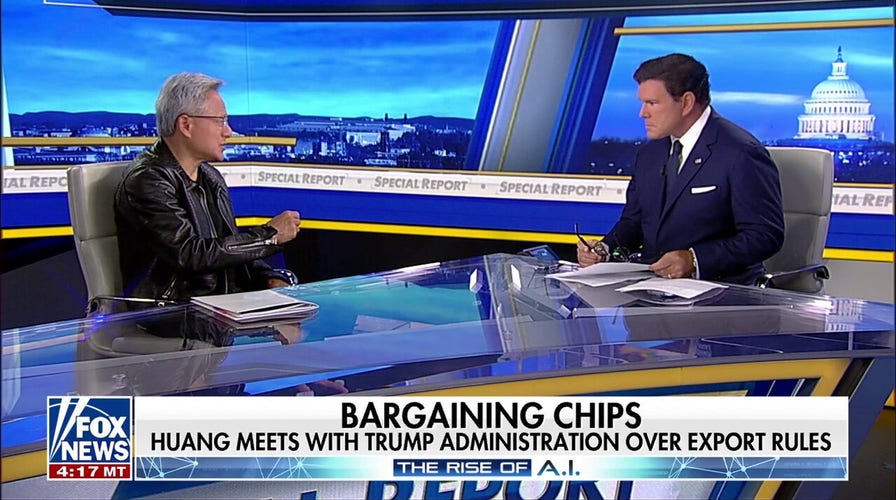 Artificial intelligence will be a ‘fundamental infrastructure’ for every company, NVIDIA CEO predicts
foxnews.com
Artificial intelligence will be a ‘fundamental infrastructure’ for every company, NVIDIA CEO predicts
foxnews.com
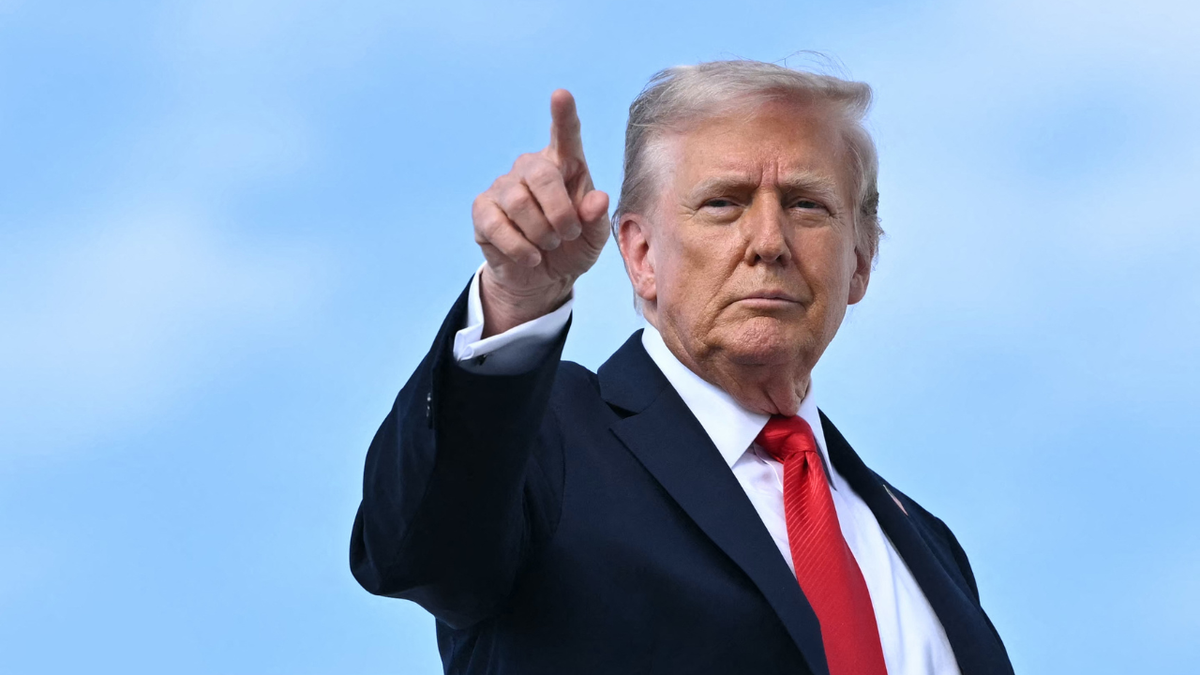 U.S. President Donald Trump points at cameras before boarding Air Force One
foxnews.com
U.S. President Donald Trump points at cameras before boarding Air Force One
foxnews.com
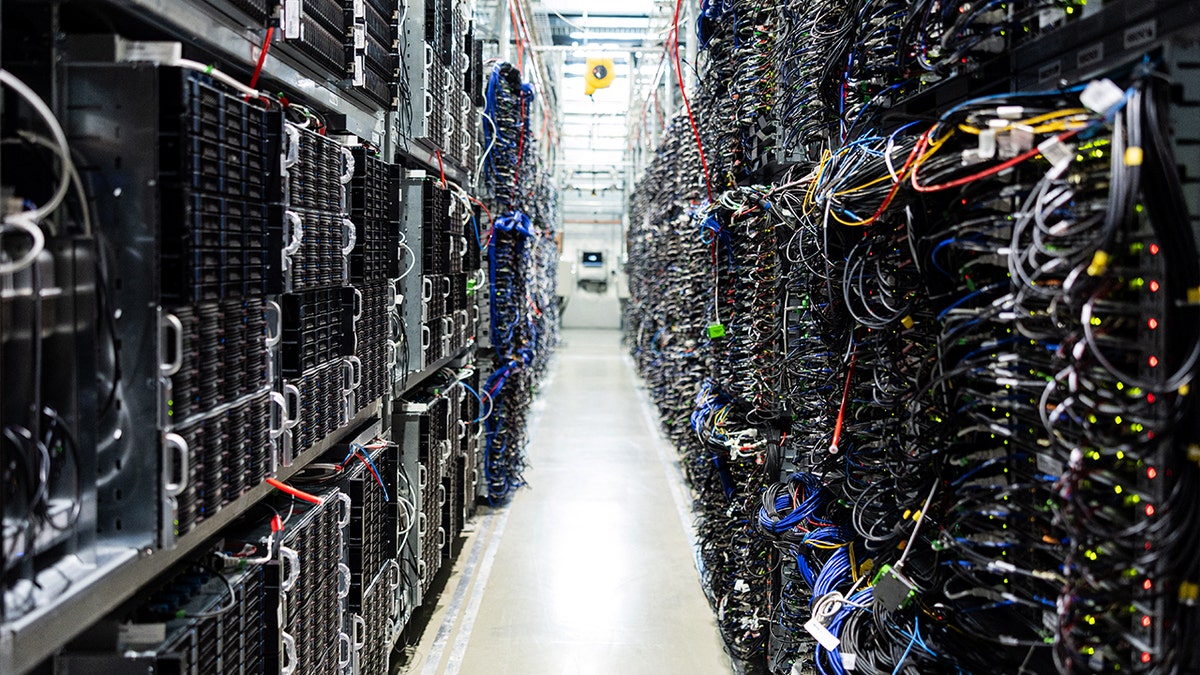 Racks of servers in a data center with colorful wires plugged into them.
foxnews.com
Racks of servers in a data center with colorful wires plugged into them.
foxnews.com
 Is China leading the artificial intelligence race?
foxnews.com
Is China leading the artificial intelligence race?
foxnews.com
A new pro-AI political group aligned with President Donald Trump’s technology agenda says it plans to spend more than 100 million dollars on the 2026 midterms. Fox News reports that the organisation, Innovation Council Action, will back candidates who favour deregulation of artificial intelligence and target lawmakers pushing stricter rules.
The group is tied to Trump allies and to venture capitalist David Sacks, described by Fox as a White House AI adviser. Its founder, Taylor Budowich, told Fox the aim is to support policymakers who “stand with the president” and to “hold accountable” those who do not. According to the report, the organisation has opened an office in Washington and built a scorecard to rank lawmakers by alignment with Trump’s AI agenda, a tool intended to guide spending.
The spending plan lands in a crowded market for influence. Fox notes that another pro-industry effort, Leading the Future, has reported raising 50 million dollars from technology figures including OpenAI president Greg Brockman, Joe Lonsdale and Marc Andreessen. Meta is also backing a separate super PAC expected to spend roughly 65 million dollars, with an emphasis on state-level races.
The policy fight is not just about “regulation” in the abstract. A single federal framework—one of the administration’s stated goals—would pre-empt the patchwork of state rules that is now emerging, shifting the decisive battles to Washington where the largest firms can afford permanent lobbying, compliance teams and campaign spending. Once compliance becomes a fixed cost, it works like a toll booth: small entrants pay proportionally more, while incumbents spread the burden across massive compute budgets and existing customer bases.
Fox also points to a parallel push to build AI infrastructure such as data centres and to frame AI dominance as a national security priority against China. That framing typically expands the number of agencies with a stake in the sector—energy, defence, procurement, export controls—while narrowing the room for open competition. When “security” becomes the justification, the rules tend to be written for the actors already inside the perimeter.
The timing matters for lawmakers as well. Midterm money arrives before statutes do, and scorecards arrive before hearings. Politicians who might otherwise ask who pays for grid upgrades, water rights and local permitting friction can instead be offered a cleaner choice: align early and be protected, or resist and become a target.
Innovation Council Action says it is still ramping up. The price tag suggests the market for AI policy is already mature enough to be bought in bulk.