
US congressman says he saw secret UAP videos, classified briefings and base tours
Replace evidence, disclosure process expands while details stay sealed
Images
 newsweek.com
 How Houthis Entering Iran War Could Lead to Higher Gas Prices in US
newsweek.com
How Houthis Entering Iran War Could Lead to Higher Gas Prices in US
newsweek.com
 Who Is Travis Reynolds? Arizona Sheriff Deputy Arrested Over Kidnapping
newsweek.com
Who Is Travis Reynolds? Arizona Sheriff Deputy Arrested Over Kidnapping
newsweek.com
 Vatican Says Israel Blocking Holy Sepulchre for ‘First Time in Centuries’
newsweek.com
Vatican Says Israel Blocking Holy Sepulchre for ‘First Time in Centuries’
newsweek.com
 US Recession Odds Rise As Iran War Escalates
newsweek.com
US Recession Odds Rise As Iran War Escalates
newsweek.com
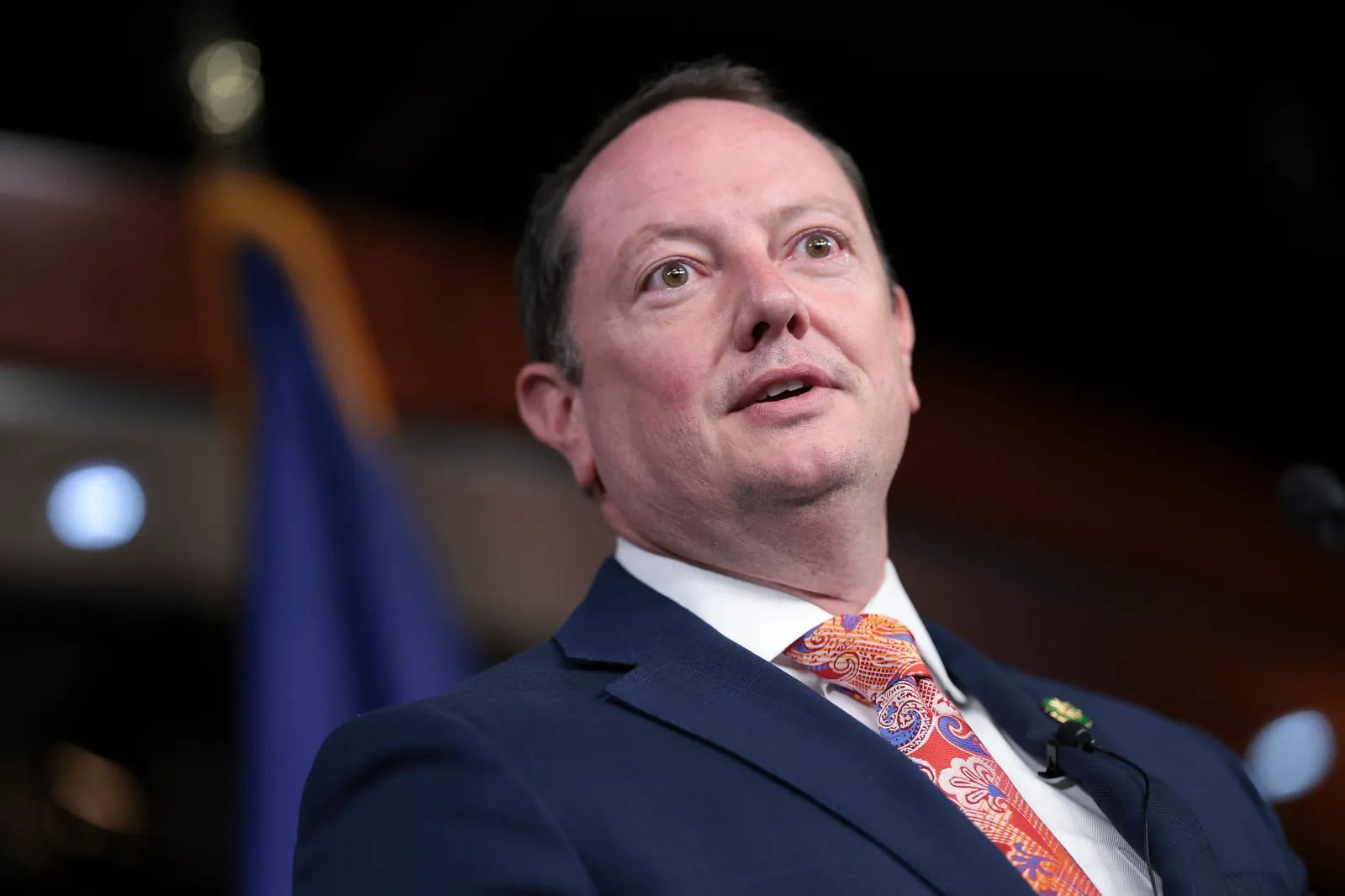
Rep. Eric Burlison says he has watched classified videos of “glowing orbs” that “defy logic,” footage he claims neither the people who recorded it nor the U.S. intelligence community can explain. Speaking on a podcast, the Missouri Republican described objects that appear stationary and then move at “incredible speeds,” according to Newsweek. He also told listeners he has already toured one classified U.S. base and expects to visit several more sites.
The pattern is familiar: the public is asked to care about something that cannot be shown, cannot be fully described, and cannot be independently verified. Burlison’s own phrasing—“I can’t tell you exactly what they are”—does not merely reflect classification rules; it is the core asset. A claim that sits in the gap between “real” and “unknown” is politically useful because it is difficult to falsify and easy to keep alive through briefings, hearings, and controlled access.
Newsweek notes that congressional interest in UAPs accelerated after a 2023 House hearing where former Air Force intelligence officer David Grusch alleged the government had concealed information about UAPs. Since then, the story has become a self-feeding loop: lawmakers cite whistleblowers to demand access; agencies respond with limited access and classified material; lawmakers emerge describing material they cannot share; the public reaction becomes the justification for more process. Even Burlison frames his site visits as a “dog and pony show” risk while still presenting the visits as progress.
The same mechanism scales well inside government. “Unknown” is a category that invites more collection, more analysis, and more compartmentalisation. It also moves decisions away from open debate and toward closed rooms where only credentialed participants can speak with confidence—often by repeating what they cannot disclose. That is not unique to UAPs, but the subject is unusually resilient because it mixes national security language with pop-culture curiosity.
The Trump administration has added another accelerant by ordering the Pentagon to identify and release files related to UFOs and “aliens,” Newsweek reports, while Defense Secretary Pete Hegseth has cautioned that the process will take time. The promise of disclosure creates a deadline without a deliverable: the public is invited to wait for a future release, while institutions keep control over what counts as evidence.
Burlison’s description ends where it began, with a video he says he saw and a conclusion he says he cannot reach. The only concrete outcome so far is that more people are being granted access to more classified sites to look at things they still cannot describe.