
US senator opens door to Iran ground operations
Lankford distinguishes raids from occupation as troop deployments expand, Congress waits for supplemental bill after the forces arrive
Images
 nbcnews.com
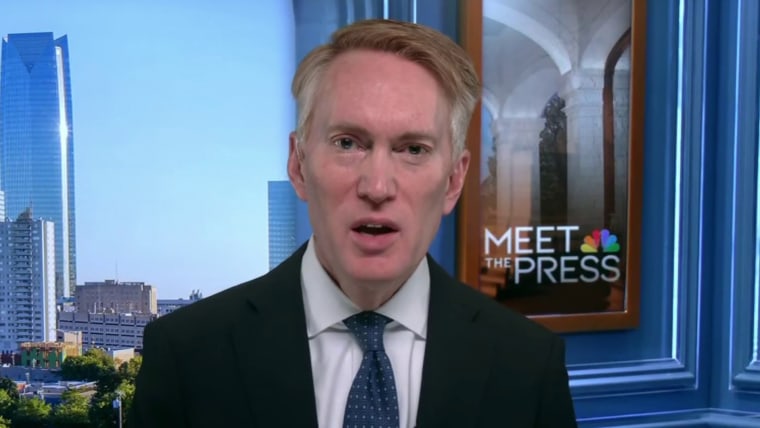
Senator James Lankford said on NBC’s Meet the Press that he would not rule out US ground operations in Iran, drawing a line between “get in, get out” special forces missions and a “long-standing occupation.” His comments came as US Central Command announced additional troop movements into the region and as NBC News reported that the Trump administration has weighed options such as securing the Strait of Hormuz, retrieving Iran’s highly enriched uranium, or seizing Iranian oil facilities.
The language is familiar: limited objectives, narrow missions, a promise that escalation is optional. But the moment ground forces are introduced, the mission stops being a single decision and becomes a chain of decisions. A raid needs staging bases, air cover, medevac, intelligence fusion, and a protected supply line. A “temporary” deployment requires force protection and rules of engagement, which in turn creates new targets and new retaliation risks. Each additional unit produces new fixed costs—contracts, logistics, command structures—that make withdrawal harder to justify than reinforcement.
Congress is already being positioned as a late-stage validator rather than an authorizer. Lankford said the key moment will be when the White House submits a supplemental funding request, describing that as when Congress “always engages.” That sequencing matters: once troops are in place and money is framed as support for deployed personnel, lawmakers face a choice between funding the mission or being blamed for undermining it. NBC News notes that Senate Republicans have previously rejected war powers resolutions meant to limit Trump’s ability to expand military action against Iran without congressional approval.
The financial scale being discussed makes the “limited” framing harder to sustain. Lankford referenced reports that the Pentagon is seeking roughly $200 billion for the war, a figure large enough to imply not just munitions replenishment but extended operations, basing, and sustained regional posture. Even if the initial plan is a short operation, the budget request signals institutional expectations: the Pentagon prefers durable commitments because they justify procurement, staffing, and long-term planning.
For Europe, the strategic debate is mostly downstream. A US move to secure Hormuz or seize oil infrastructure would be paid for in Washington’s appropriations process, but the price shock—shipping risk premia, fuel costs, and industrial energy bills—lands immediately on European households and firms. The war can be “finite” on a Pentagon slide deck while remaining open-ended in European inflation data.
Lankford’s condition was clarity on objectives. The troop movements are already happening.