
McDonald’s tests humanoid robots in Shanghai
Short pilot uses Keenon machines for greetings and tray runs, labour savings arrive as service-contract dependency
Images
 AI in the workforce: Friend or foe?
foxnews.com
AI in the workforce: Friend or foe?
foxnews.com
 Robot working at McDonalds
foxnews.com
Robot working at McDonalds
foxnews.com
 Robot working at McDonalds
foxnews.com
Robot working at McDonalds
foxnews.com
 Robot working at McDonalds
foxnews.com
Robot working at McDonalds
foxnews.com
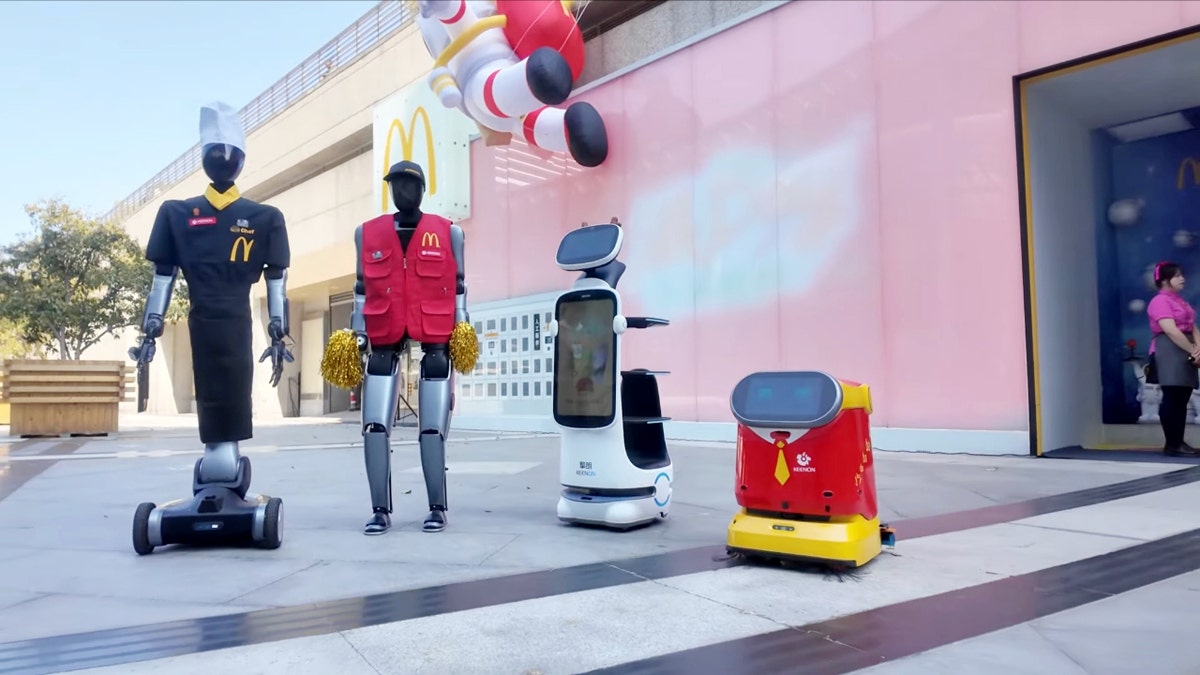
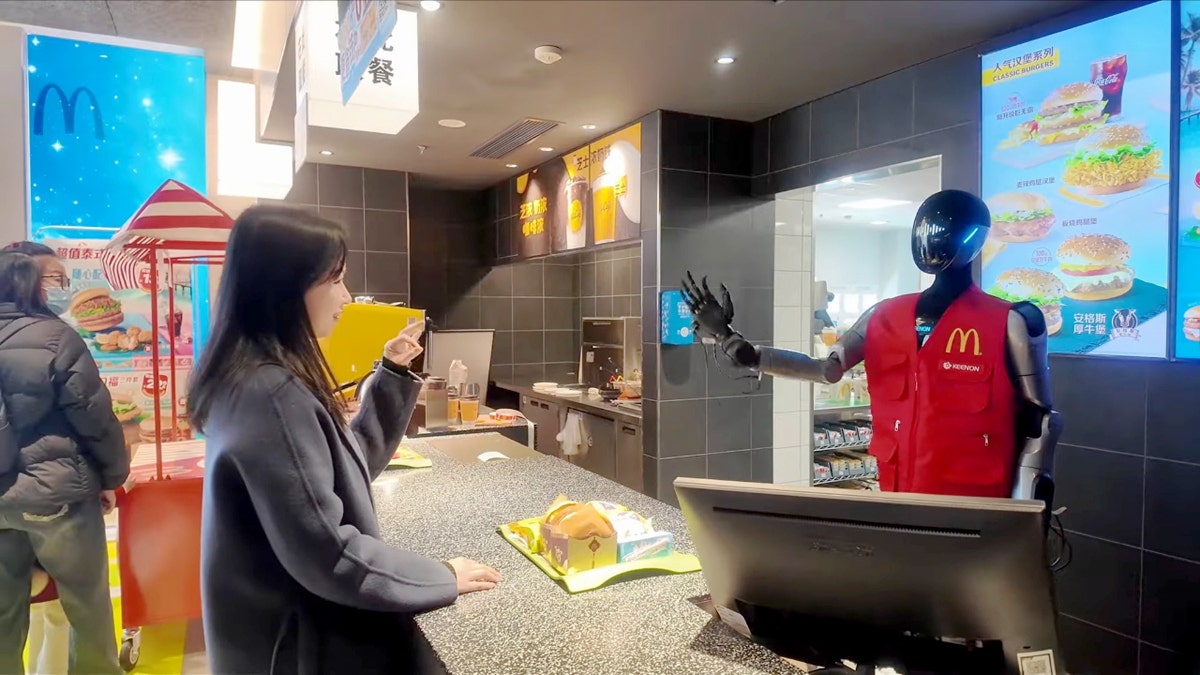
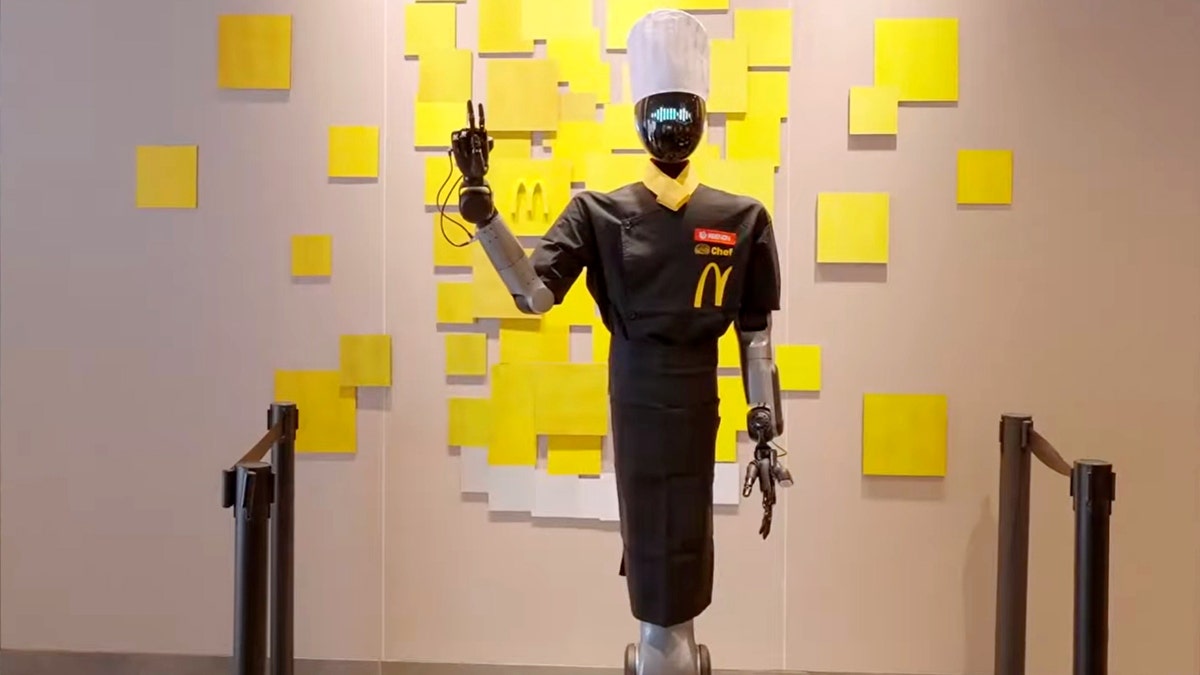
McDonald’s put humanoid and service robots on the floor of a restaurant in Shanghai during a store-opening pilot, according to Fox News. The machines greeted customers, delivered food and cleared trays while human staff continued cooking and handling orders. The test was limited to a single location and framed as a short-term demonstration rather than a rollout.
Even as a demo, it points to where fast-food chains feel pressure. The industry’s biggest problems are not robotics problems: they are staffing volatility, training overhead, inconsistent execution and the cost of keeping a line moving at peak hours. A robot that can carry trays all day does not solve inventory, food safety, or customer complaints, but it can reduce the number of “low-discretion” tasks that drag supervisors away from the bottlenecks that actually break service. For a chain built on standardisation, shaving variability is often worth more than shaving wages.
The trade is that labour risk does not disappear; it relocates. Once a restaurant depends on robots for front-of-house flow, uptime becomes a supply-chain question: service contracts, spare parts, battery health, network connectivity and remote updates. The failure mode changes from “someone didn’t show up” to “the fleet is down across a region because a vendor pushed a bad update” or “a replacement part is backordered.” The restaurant’s incentives then tilt toward long-term vendor lock-in—because changing suppliers means retraining staff, reconfiguring workflows and rewriting safety procedures.
This also creates new single points of failure in places that used to degrade gracefully. A human runner can improvise around a crowded dining room; a robot navigating a fixed route cannot. A human can notice a spill, a blocked path, a child running; a robot can require the environment to be kept within tighter parameters, pushing more work onto staff during disruptions. The more automation is layered into everyday operations, the more “ordinary” outages start to look like infrastructure incidents.
In Shanghai, the robots were a novelty in McDonald’s uniforms, but the business logic is less theatrical. A chain that can replace a portion of its most repetitive tasks with rented machines turns hiring and retention into a smaller line item and makes service more predictable—so long as the vendor’s maintenance calendar and software pipeline remain invisible and reliable.
The Shanghai pilot still needed people behind the counter, and it lasted only as long as the opening event. The robots did not replace the workforce; they added a new dependency.