
Pentagon drafts Iran ground-operation options
White House says planning does not equal decision, Kharg Island target turns limited raids into supply-chain shock
Images
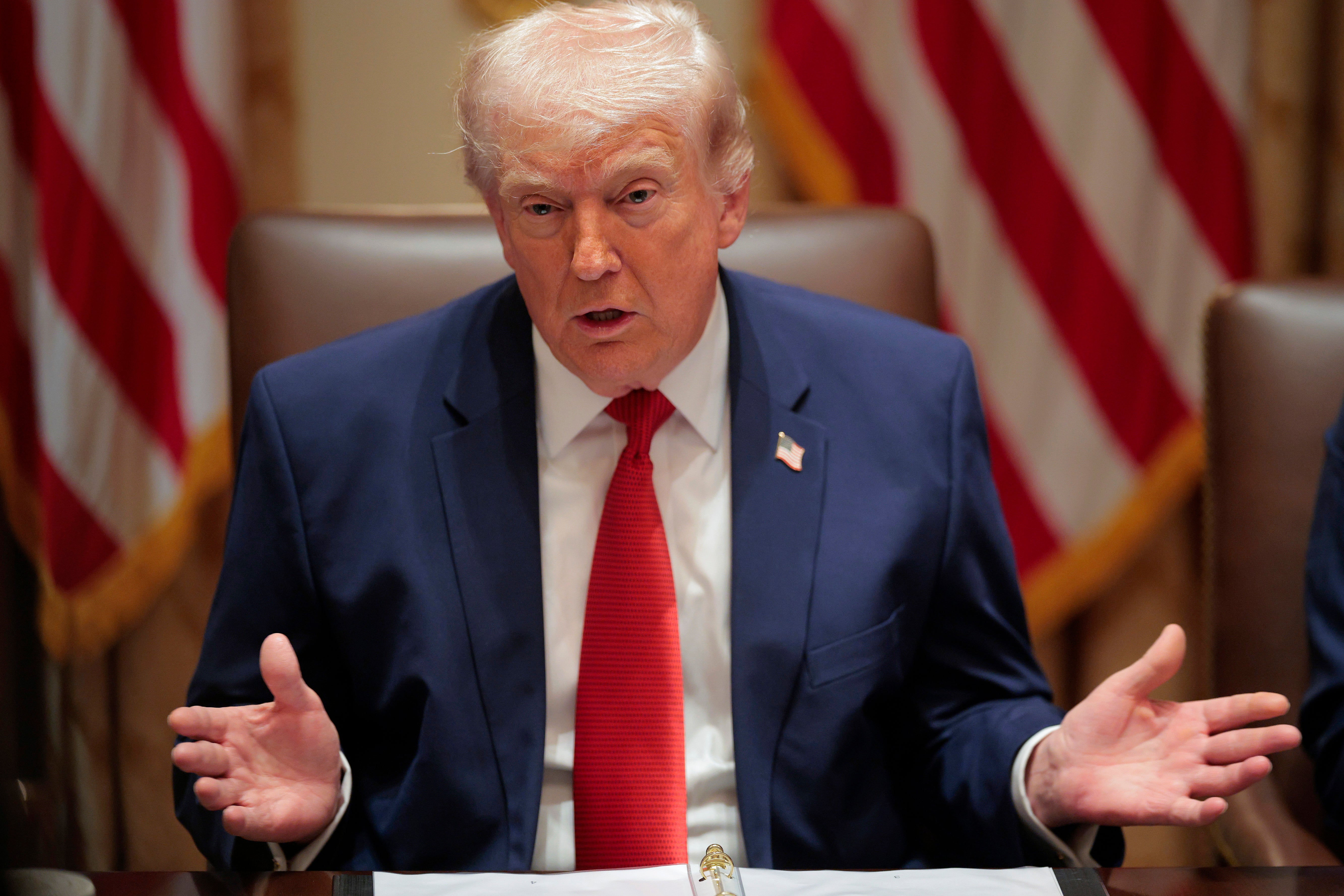 The Pentagon is preparing for potential ground operations in Iran, but it’s unclear if President Donald Trump will approve those plans, a new report states (Getty)
Getty
The Pentagon is preparing for potential ground operations in Iran, but it’s unclear if President Donald Trump will approve those plans, a new report states (Getty)
Getty
The Pentagon has drawn up plans for “weeks of ground operations” in Iran as the White House weighs whether to expand a conflict that began as an air campaign. The Independent reports, citing The Washington Post, that options under discussion include raids by infantry and special operations forces and even a move to seize Kharg Island, Iran’s main oil export terminal.
White House press secretary Karoline Leavitt told the Post that contingency planning is routine and does not mean President Donald Trump has decided. But the mere existence of a ground plan changes the internal conversation: a target list becomes a logistics problem, a logistics problem becomes a timetable, and a timetable becomes a request for authorities, basing access, and replenishment. “Weeks, not months” is not a slogan; it is a commitment to fuel, lift capacity, medical evacuation, intelligence coverage, and force protection, all of which must be arranged before the first helicopter lifts off.
Kharg Island illustrates how quickly “limited” operations acquire strategic consequences. Iran exports much of its crude through the terminal; a seizure attempt would be read in Tehran as an attempt to strangle state revenue, not as a discrete raid. That is the kind of objective that pulls in follow-on missions: holding the facility, defending it against missiles and drones, interdicting Iranian naval and air responses, and managing the legal and diplomatic fallout with states that buy Iranian oil.
For Europe, the escalation pathway is familiar even when the fighting is not on European soil. As insurance premia rise and shipping routes reprice risk, European importers pay first at the pump and then again through higher costs embedded in everything from chemicals to food. The military bill sits in Washington’s budget lines; the price shock travels through global supply chains. Allies also face the quieter demands—overflight permissions, staging areas, intelligence sharing, and sanctions compliance—that turn an American operation into an Atlantic obligation.
The administration can still decide against a ground phase. But once the planning cycle is running, the question in the system becomes less “should we” than “what would it take,” and the answer arrives as a stack of requirements that only look optional on paper.
The plan now being briefed is not an invasion, according to the reporting. It is still described as something that could take a couple of months.