
Airlines warn fuel shock could sink weaker carriers
Iran war turns jet fuel and insurance into war-risk priced inputs, full planes do not guarantee covenant compliance
Images
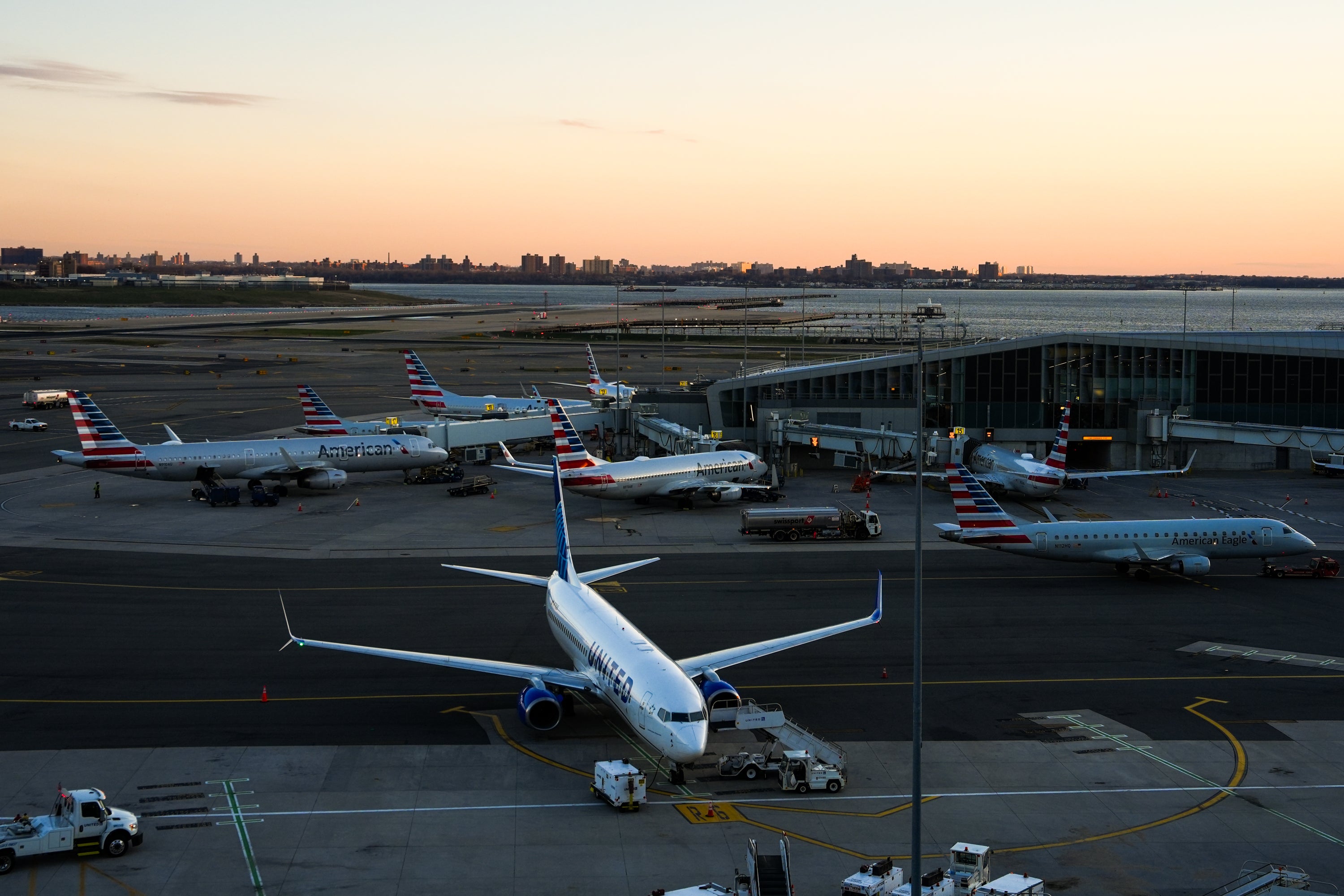 Rising fuel prices could cost airlines billions, and some companies might 'not survive,' industry leaders have warned (Getty Images)
Getty Images
Rising fuel prices could cost airlines billions, and some companies might 'not survive,' industry leaders have warned (Getty Images)
Getty Images
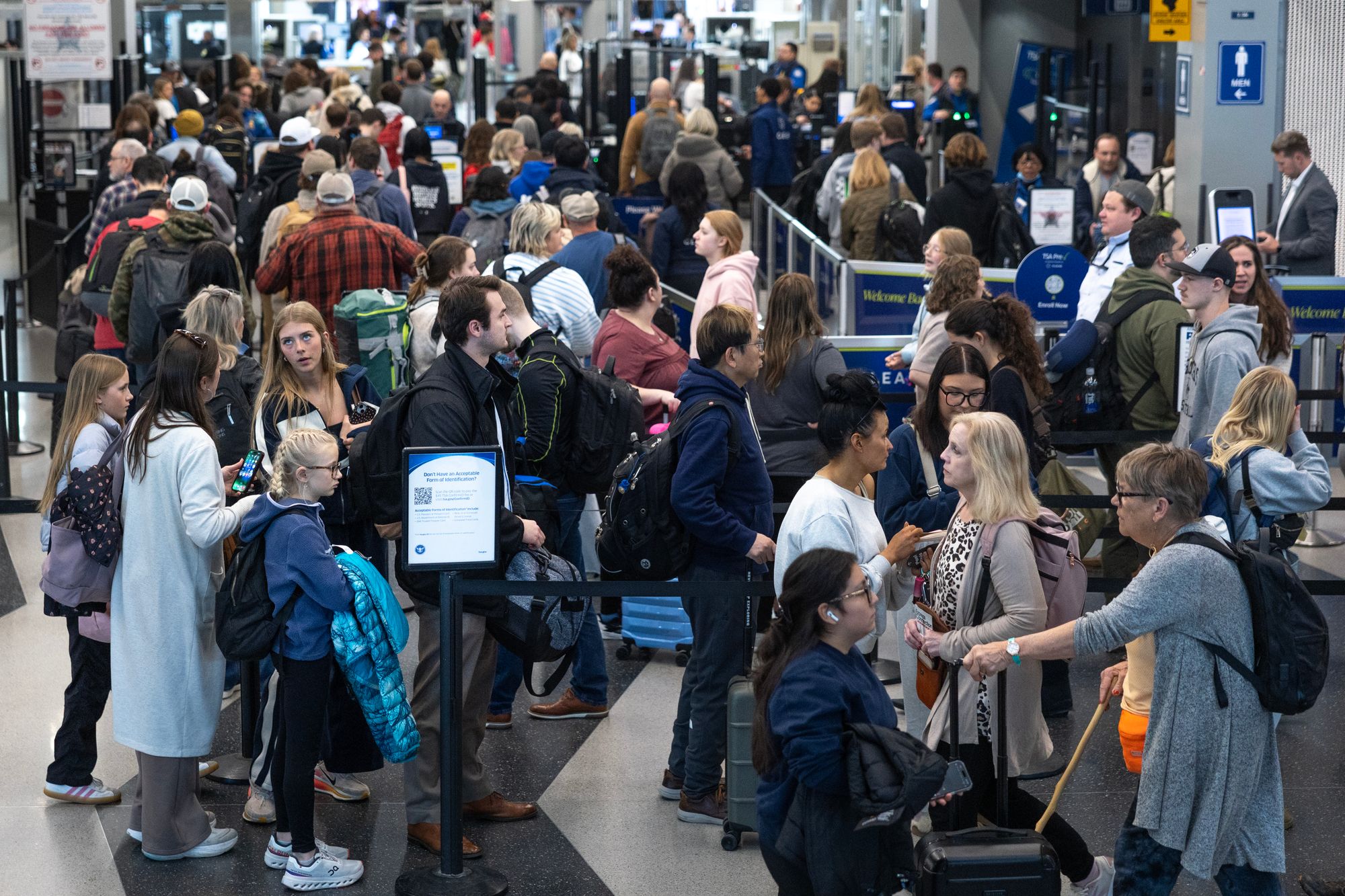 The DHS shutdown has led to chaos at airports nationwide (Getty)
Getty
The DHS shutdown has led to chaos at airports nationwide (Getty)
Getty
United Airlines CEO Scott Kirby has warned employees that jet fuel prices have “more than doubled in the last three weeks” and that, at current levels, the carrier would face roughly $11bn in extra annual fuel expense. Speaking to ABC News and cited by the Los Angeles Times, Kirby said some airlines “might not survive” if oil stays elevated and weaker carriers repeat the balance-sheet mistakes of the pandemic era. The warning comes as the war with Iran pushes crude higher and, crucially for aviation, turns fuel and insurance into war-risk priced inputs rather than routine operating costs.
Airlines sell a product with a fixed departure time but a variable cost base, and fuel is the largest swing factor. The industry can hedge, but hedges are not a magic shield: they are contracts that must be funded, margined, and rolled, and they can amplify cash needs when volatility spikes. When fuel doubles quickly, the question for a carrier is not only the eventual average price for the quarter, but whether it can keep meeting near-term cash calls—on hedges, on working capital, and on the debt stack that underpins fleets.
That debt stack is where “cheap tickets” start to look like a credit product. Most aircraft are financed or leased; lease rates and loan covenants assume a certain stability in cash generation. A sudden jump in operating costs can trip leverage or liquidity tests even if planes are still full. Kirby’s own memo underlines the mismatch: United’s best year produced less than $5bn in profit, against an $11bn fuel shock under the scenario he described. For low-cost carriers, the buffer is thinner still. Alan Fyall at the University of Central Florida told the Los Angeles Times that budget airlines are “less resilient” because their model relies on high volume and slim margins.
Raising fares is the obvious response, and Kirby said ticket prices could rise by around 20% to reflect higher fuel. But pricing power arrives with a lag: airlines sell seats weeks and months ahead, while fuel is bought continuously and repriced instantly. That gap matters most when risk premia rise across the system—fuel, war-risk insurance, and financing costs—at the same time. The first visible symptom can be balance sheets, not demand.
The same period has also seen operational strain from a US Department of Homeland Security shutdown that disrupted airport security staffing, adding delays and costs even as demand remains strong, according to The Independent. Kirby noted United’s ten biggest booked revenue weeks have been the last ten.
Even with record bookings, an airline can be undone by the timing of cash outflows. In this cycle, the price of jet fuel is arriving not as a gradual inflation story but as a sudden test of who can refinance and who cannot.