
Houthis fire first missiles at Israel since Iran war began
Red Sea risk returns as Hormuz disruption already strains trade finance, low-cost launches force high-cost rerouting
Images
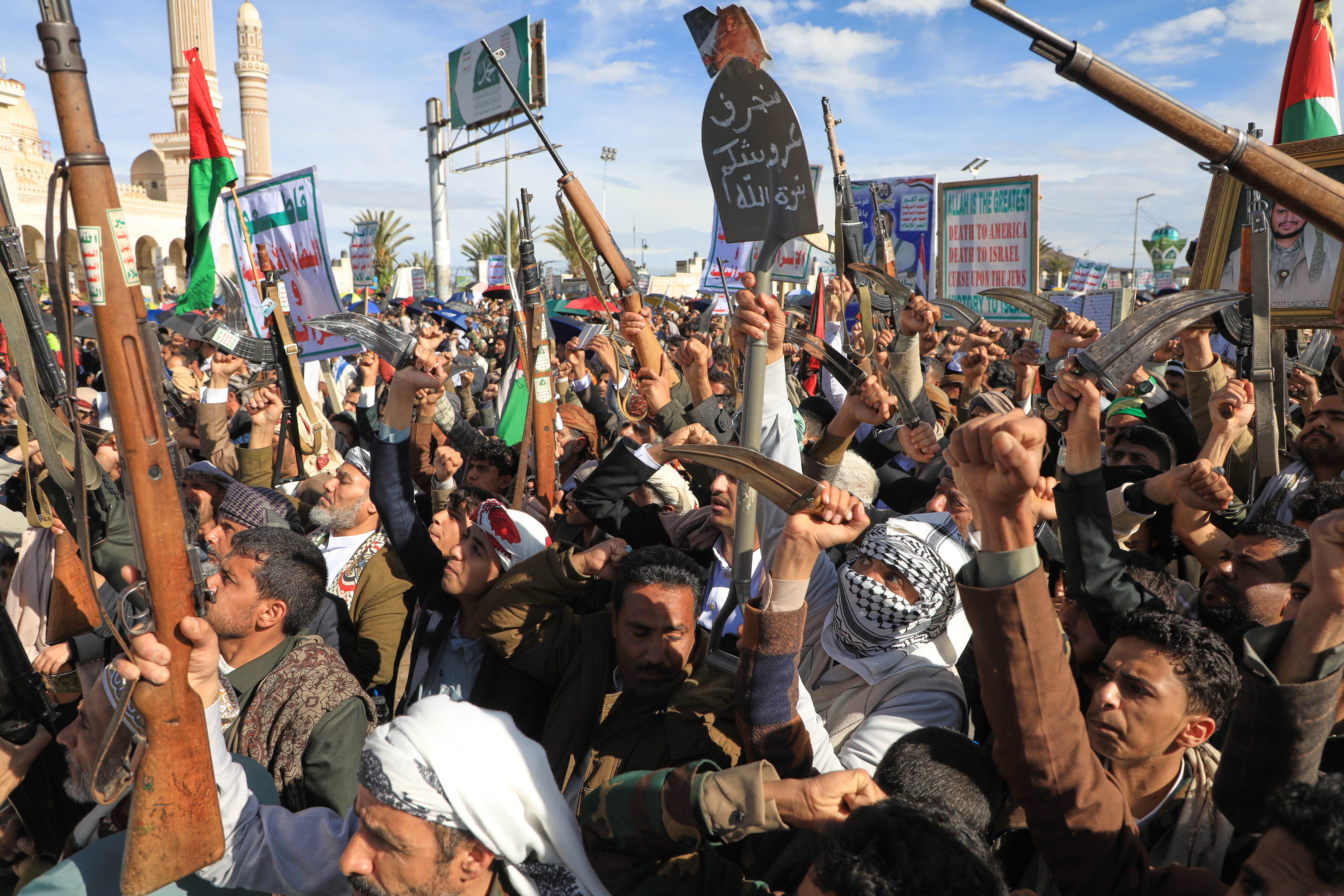 Houthi supporters shout slogans during a rally against Israel and the United States' war in Iran, in Sanaa, Yemen, Friday, March 27, 2026 (AP)
independent.co.uk
Houthi supporters shout slogans during a rally against Israel and the United States' war in Iran, in Sanaa, Yemen, Friday, March 27, 2026 (AP)
independent.co.uk
 (US Centcom)
US Centcom
(US Centcom)
US Centcom
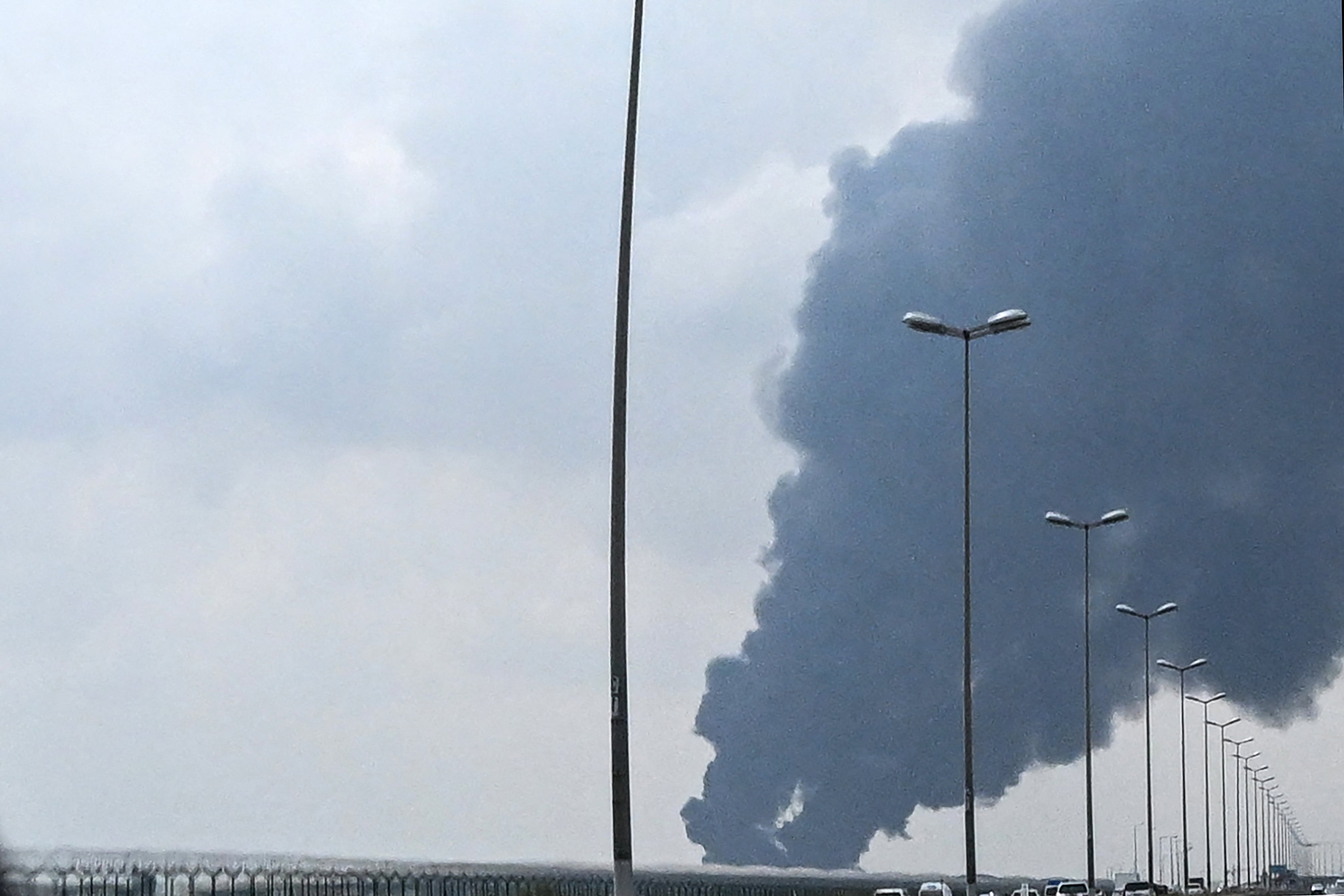 Smoke rises from the area of the Kuwait International Airport after a reported drone strike hit a fuel depot on March 25, 2026 (AFP/Getty)
AFP/Getty
Smoke rises from the area of the Kuwait International Airport after a reported drone strike hit a fuel depot on March 25, 2026 (AFP/Getty)
AFP/Getty
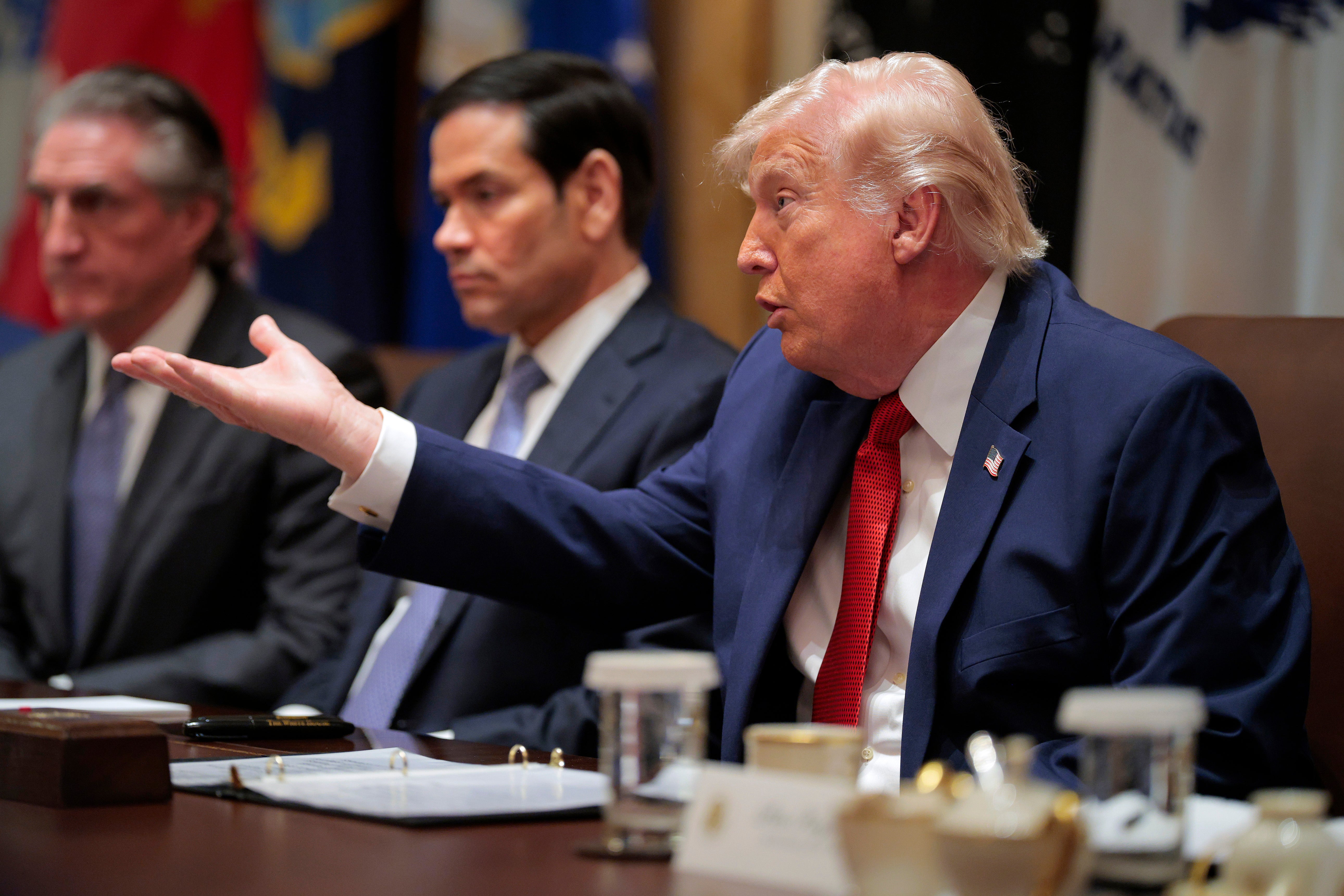 Reports suggested Trump is planning to send 10,000 troops to the Middle East to defeat Iran (Getty)
Getty
Reports suggested Trump is planning to send 10,000 troops to the Middle East to defeat Iran (Getty)
Getty
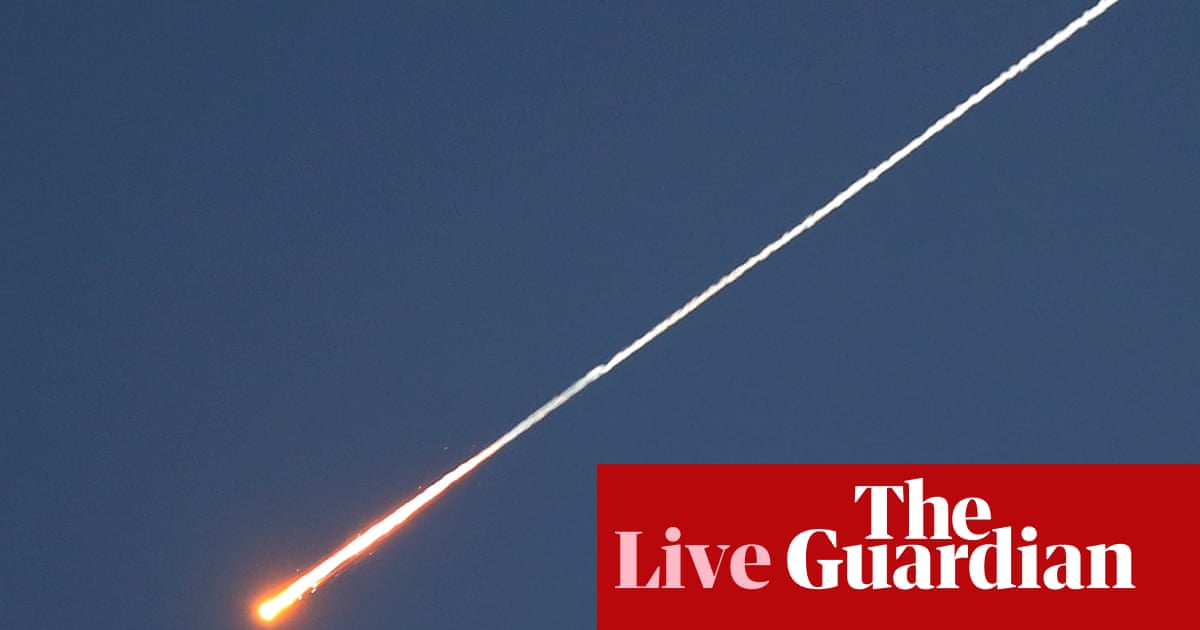 US-Israel war on Iran expands as Yemen’s Houthis launch first attack since conflict began – Middle East crisis live
theguardian.com
US-Israel war on Iran expands as Yemen’s Houthis launch first attack since conflict began – Middle East crisis live
theguardian.com
Yemen’s Houthi movement fired missiles toward Israel on Saturday, opening a new front in a widening US–Israel war with Iran that has already pushed shipping through the Strait of Hormuz toward a standstill. Israel said it intercepted a missile launched from Yemen, according to The Independent, while the Houthis said they would keep operating until what they called “aggression” ends on multiple fronts.
The military effect of a Houthi strike is not mainly measured in damage on impact. It is measured in what it does to routes, insurance, and the paperwork that allows cargo to move. The Houthis have already shown, during the Red Sea crisis in 2024, that they can raise the cost of trade without winning battles: ships detour around the Cape of Good Hope, war-risk premiums rise, and banks tighten the terms of trade finance when vessels enter designated high-risk areas. That mechanism matters now because the Hormuz shock has already pushed the energy market into a pricing regime where insurers and lenders ration flows before physical shortages appear.
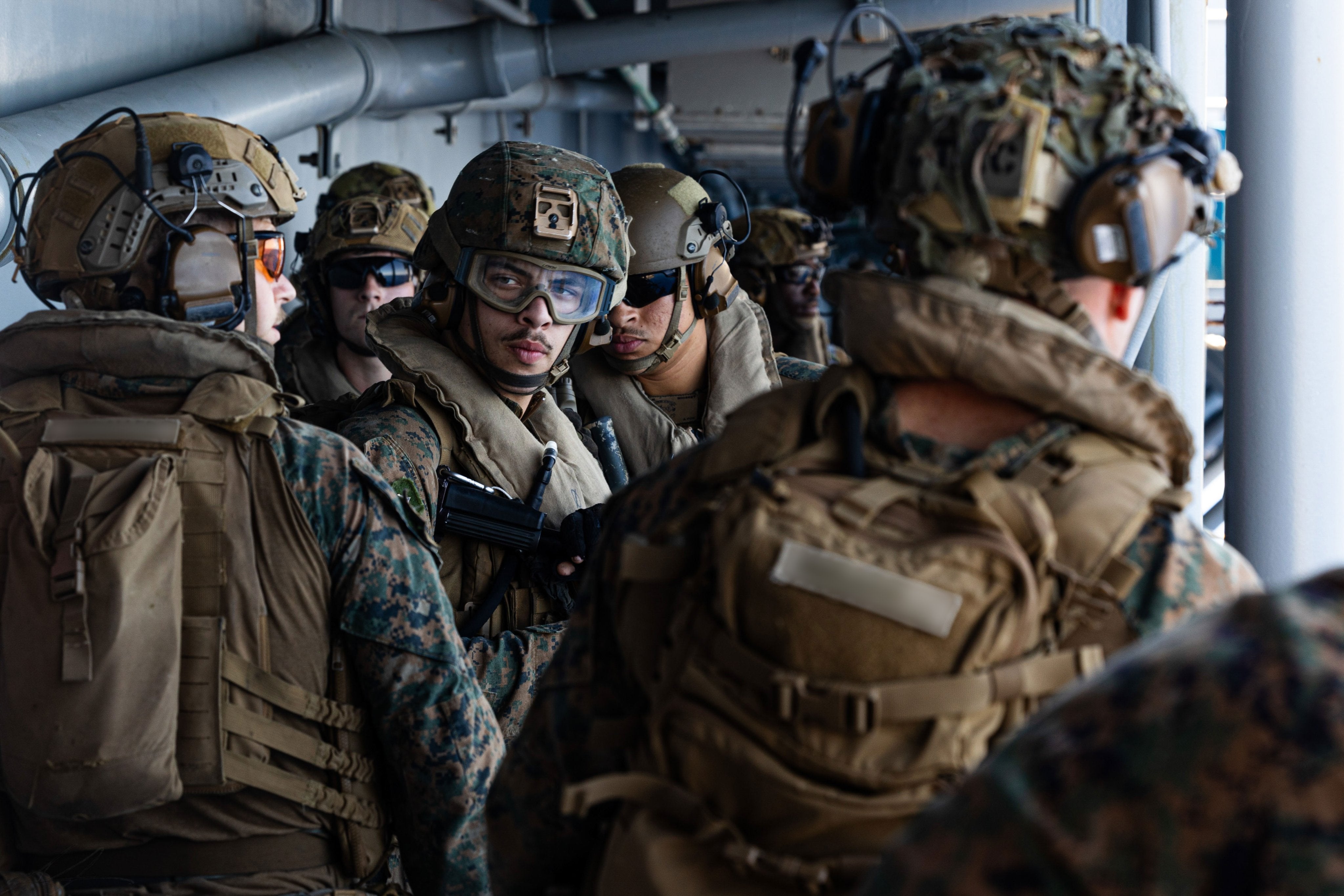
A low-cost actor benefits from forcing high-cost responses. A single missile launch can prompt expensive air-defence activations, additional naval deployments, and risk re-rating across multiple corridors—from the Red Sea and Bab al-Mandab to the Arabian Sea approaches. The Independent reports thousands of US sailors and marines arrived in the region aboard the USS Tripoli, part of a broader US build-up that includes existing forces and potential additional deployments reported elsewhere. Each incremental deployment is also an incremental logistics obligation: fuel, maintenance, air-defence interceptors, and the political capital required to keep host governments aligned.
The Houthis do not need to close a strait to change behaviour; they only need to make shipowners uncertain about whether their next transit will be insurable on commercially viable terms. That uncertainty spreads quickly because container lines, tanker operators, and commodity traders all rely on predictable schedules and financing windows. When the risk premium spikes, the cost is not confined to the war zone: it appears as higher freight rates, delayed deliveries, and price volatility in distant consumer markets.
Saturday’s launches were intercepted, but the point was made: the cheapest missiles in the region can still reach the most expensive supply chains.