
Houthis fire missiles at Israeli targets
Bab al-Mandab risk joins Hormuz shock, Europe pays through freight and insurance premia
Images
 Houthi supporters rally in solidarity with Iran. The forces said on Saturday they had fired a salvo of ballistic missiles at ‘sensitive Israeli military sites’. Photograph: Yahya Arhab/EPA
theguardian.com
Houthi supporters rally in solidarity with Iran. The forces said on Saturday they had fired a salvo of ballistic missiles at ‘sensitive Israeli military sites’. Photograph: Yahya Arhab/EPA
theguardian.com
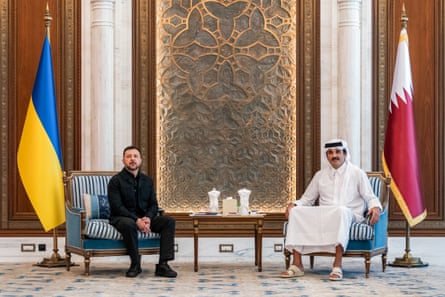 Volodymyr Zelenskyy has announced Ukraine and the UAE have agreed to cooperate on defence. Photograph: Qatar Amiri Diwan/AFP/Getty Images
theguardian.com
Volodymyr Zelenskyy has announced Ukraine and the UAE have agreed to cooperate on defence. Photograph: Qatar Amiri Diwan/AFP/Getty Images
theguardian.com
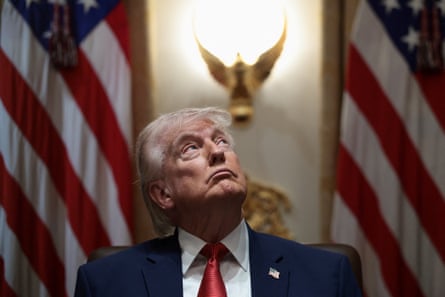 Trump told Saudi Arabia it was time to normalise relations with Israel in return for the attack on Iran. Photograph: Evelyn Hockstein/Reuters
theguardian.com
Trump told Saudi Arabia it was time to normalise relations with Israel in return for the attack on Iran. Photograph: Evelyn Hockstein/Reuters
theguardian.com
Houthi forces in Yemen said on Saturday they fired a salvo of ballistic missiles at what they called “sensitive Israeli military sites”, in what the Guardian describes as the first Houthi entry into the current Iran war. Israel said it intercepted one missile originating in Yemen. The move widens a conflict that has already pushed up Europe’s fuel costs through war-risk insurance and longer shipping routes.
The immediate military effect may be limited, but the commercial effect is easier to price. The Bab al-Mandab strait at the southern end of the Red Sea is a narrow choke point for container traffic and energy flows between Asia, the Gulf and Europe, and it sits upstream of the Suez Canal. When a threat emerges in a chokepoint, shipowners do not need a full closure to change behaviour: insurers widen exclusions, underwriters add war-risk premia, and charterers demand higher rates to compensate for longer voyages and higher fuel burn. The result is a logistics surcharge that hits importers first and consumers later, even if the physical flow of goods continues.
The Guardian notes that Saudi Arabia has been able to divert some oil exports by pipeline to the Red Sea since Iran’s near-total closure of the Strait of Hormuz. That workaround relies on the Red Sea remaining usable. A second choke point turning hostile would force more cargoes to detour around the Cape of Good Hope, tying up ships and containers for longer and turning “just-in-time” supply chains into “just-in-case” inventory. For Europe, that typically lands as higher delivered prices for energy and any imported input with a tight delivery schedule—chemicals, components, and seasonal retail goods—because the cost shows up as freight, insurance and working capital rather than as a headline tariff.
The war’s spillover is also appearing in infrastructure risk around the Gulf. The Guardian reports US media accounts of a missile and drone attack on Prince Sultan airbase in Saudi Arabia that wounded at least 12 US soldiers, and drone strikes that damaged radar at Kuwait international airport. Iran’s central operational command, according to the same report, claimed it had targeted a Ukrainian anti-drone system depot in Dubai—an allegation Dubai authorities did not immediately confirm. Each additional target expands the map that insurers and shipping companies have to treat as “exposed”, and the cost of that caution is paid on every voyage, not only on the ones that are hit.
Pakistan is hosting a meeting of Middle Eastern powers on Monday, but the Guardian notes the talks do not appear to include the warring parties. In the meantime, the Red Sea’s risk premium is being set by missile trajectories and insurance clauses rather than by communiqués.
A single intercepted missile from Yemen is not a blockade. It is enough to make every ship that passes Bab al-Mandab carry a higher price tag.