
China detains Panama-flagged ships after canal port concession is annulled
FMC cites nearly 70 cases since early March, port state control becomes a low-cost sanctions channel
Images
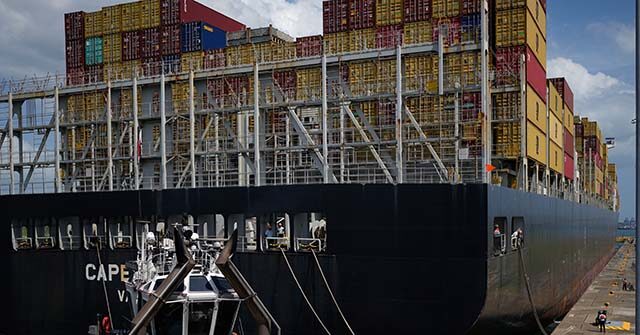 U.S. Accuses China of Detaining Panama-Flagged Vessels
breitbart.com
U.S. Accuses China of Detaining Panama-Flagged Vessels
breitbart.com
China has sharply increased inspections and detentions of Panama-flagged ships in its ports after Panama’s Supreme Court moved to unwind a decades-old concession at the Panama Canal, according to Reuters and a statement from the U.S. Federal Maritime Commission (FMC). The detentions—nearly 70 since March 8, according to Lloyd’s List Intelligence cited by Reuters—come as Panama transitions control of the Balboa and Cristóbal terminals away from Hong Kong-based CK Hutchison’s Panama Ports Company.
The sequence is bureaucratic on paper and coercive in effect. Panama’s court invalidated the legal framework for the 1997 concession, after Panamanian officials argued the contract granted disproportionate rights and caused large financial losses. Panama then installed interim operators: APM Terminals (a Maersk subsidiary) at Balboa and Terminal Investment Limited (linked to MSC) at Cristóbal. The port assets did not move by force of arms; they moved by rulings, licences, and administrative takeover.
Beijing’s response uses the same kind of tools. FMC chair Laura DiBella said the inspections are being carried out under informal directives and “appear intended to punish Panama” for transferring Hutchison’s port assets. Port state control is a legitimate safety regime, but its power lies in discretion: a ship can be held for paperwork, equipment checks, or follow-up inspections that are difficult to contest in real time. When the detained vessels fly Panama’s flag—one of the world’s largest registries—the pressure spreads beyond Panama’s own trade, because those flags are rented by global operators.
In shipping, delay is the tariff. Every extra day in port ties up a hull, a crew, and a schedule slot; it also triggers knock-on costs in demurrage, berth congestion, and missed connections. Insurance and war-risk pricing then incorporate political risk that never appears as an official sanction. Reuters notes Panama’s flag accounts for a meaningful share of U.S. containerised trade, which is why the FMC is signalling it may investigate whether foreign government practices are creating “unfavorable conditions” for U.S. shipping.
The canal itself handles roughly 5% of global maritime trade, and the terminals at either end are choke points where legal control matters as much as physical control. CK Hutchison has launched arbitration seeking more than $2 billion in damages, while Chinese authorities have reportedly summoned Maersk and MSC representatives to Beijing for discussions. China’s state-owned carrier COSCO has also adjusted services, according to the FMC.
For Panama, the fight began as a domestic contract dispute and became a test of who can make port operations expensive for whom. For shipowners, it is another reminder that flags, terminals, and inspections are part of the same pricing system.
As of this week, the vessels are not seized as contraband. They are simply not allowed to leave.